


The report also highlights how identifying and removing barriers to screening can help more people take part. When the bowel screening test was changed in 2019, the number of poo samples needed dropped from three to just one. As a result, nearly 7 in 10 people are now participating in bowel screening in the UK, compared to fewer than 6 in 10 just five years ago.
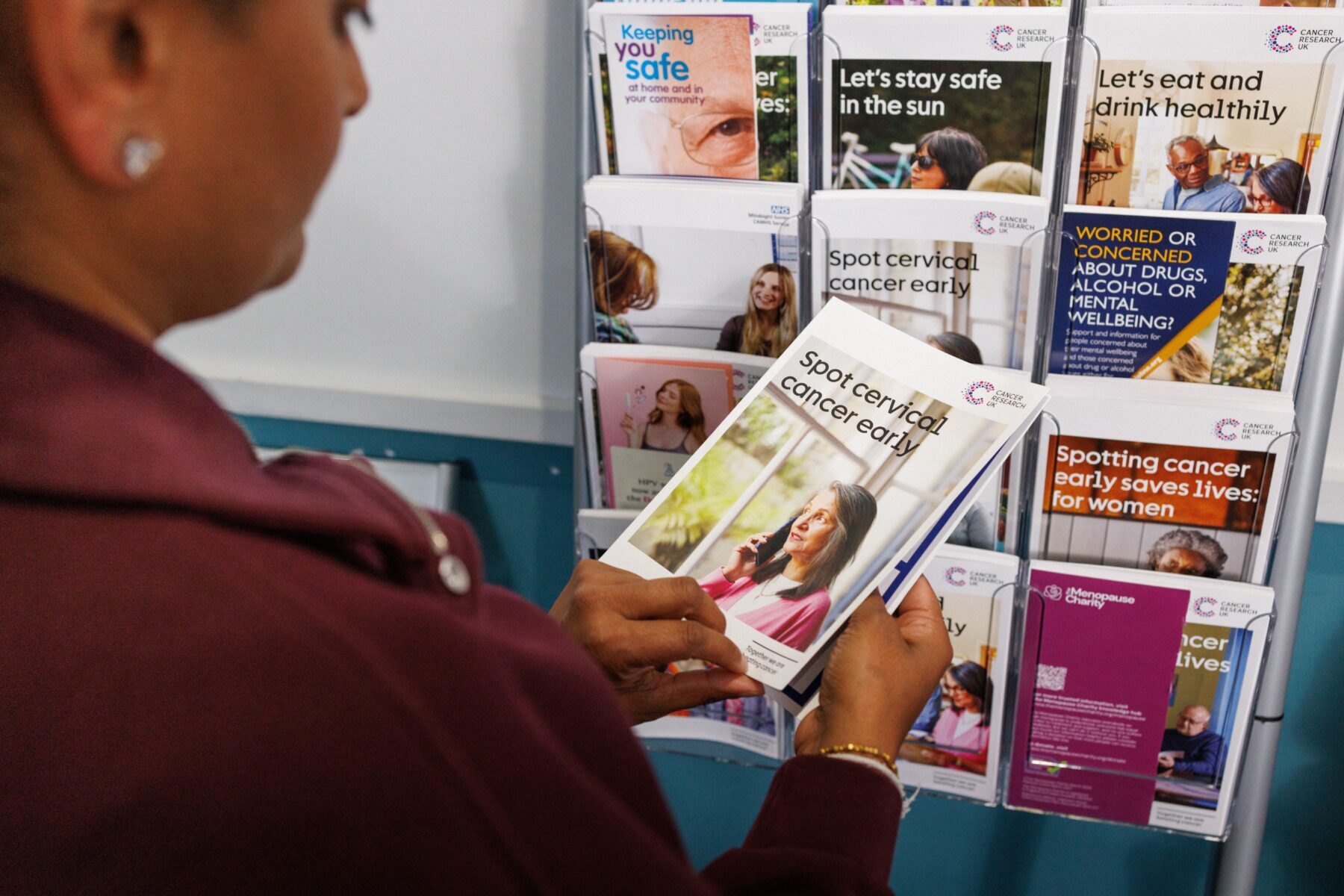
Different screening tests can come with different barriers, but lessons from bowel screening can also be applied to the cervical and breast cancer screening programmes. For example, rolling out at-home HPV tests for people who are overdue for their cervical screening can help make sure everyone eligible has the chance to make an informed choice about whether they want to take part.
Tackling waiting times and late-stage diagnosis
Screening isn’t the only way to find cancers early. The UK’s health systems can also make an important difference by quickly offering the most appropriate tests to people with cancer symptoms. But, with more people being referred with suspected cancer than ever before, cancer services need more investment in staff and diagnostic equipment to keep up.
As it stands, cancer waiting times are still among the worst on record. Although the NHS aims to begin treatment for most patients within two months of an urgent referral (the 62-day standard), the last time any UK nation met this target was in 2015.
In 2025, around 107,000 cancer patients in England waited longer than 62 days to start their treatment. The strain is felt most acutely in Northern Ireland, where only around 3 in 10 patients started treatment on time last year, compared to more than 8 in 10 in 2013.
Stats from Scotland, England and Northern Ireland also show that around 1 in 5 cancers are diagnosed via emergency routes like trips to A&E. Cancers diagnosed in this way are more likely to be caught late, which means they are more likely to have grown and spread and will be harder for doctors to treat.
Tackling these issues will help make sure more people with cancer can get the treatment they need when it’s most likely to be successful. By increasing the availability of diagnostic tests and removing barriers to healthcare so more people can access it, governments across the UK can help make sure more cancers are diagnosed earlier.
Longer, better lives
We’ve come a long way in improving cancer care. Advances in prevention, diagnosis and treatment have pushed cancer death rates down to their lowest recorded level. But the Cancer in the UK Report 2026 shows that our work is far from over.
And while the report shows that we face many challenges, it also serves as a guide for how best to take them on.
Long-term investments into research will be crucial. Cancer Research UK’s £4bn investment over the past decade has shown how sustained support can create the tools to improve outcomes for patients.
Now, governments across the UK have a critical role to play. By expanding their investments in research and healthcare, they can accelerate discoveries and ensure breakthroughs reach patients faster. By working together, we can bring about a world where everybody lives longer, better lives, free from the fear of cancer.
You can read the full Cancer in the UK report for 2026 here. There are also separate overviews for Scotland, Wales and Northern Ireland.
