


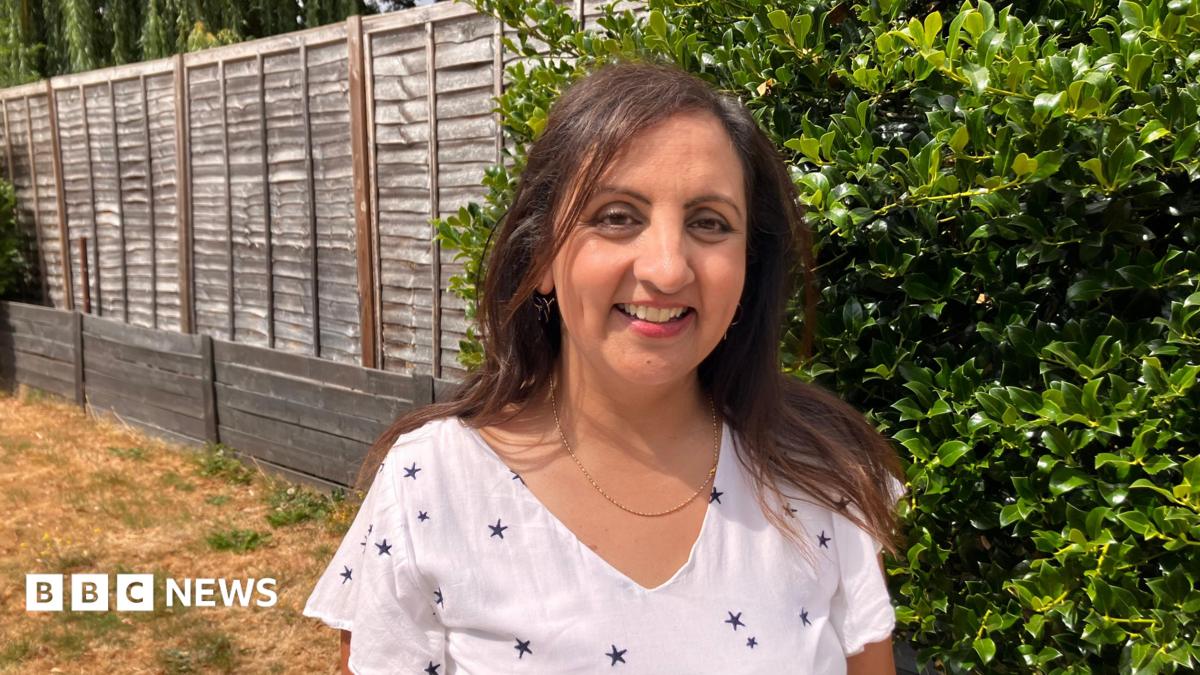
Bep Sandhu from Maidenhead, Berkshire has Lynch Syndrome. For her family, the threat of cancer is always there: “Cancer has sadly rippled through my family. We lost my dad to prostate cancer, my mum has had bowel cancer and I have had cancer three times.”
Sandhu is one of four patient advocates who have been involved from the earliest stages of research through to the clinical trial delivery and have played a critical role in discussing the concerns, hopes and challenges those who live with Lynch Syndrome.
“There is a fear that we do live with, putting us at higher risk of certain cancers, and you know, it’s stark, it’s hard, to think about the implication of what that can mean for the length or our lives the quality of our lives,” Sandhu said.
The first phase of the trial is expected to take up to a year.
Phase 2 could begin next spring across multiple centres in the UK, including Oxford.
Church explained what was hoped from this first trial: “The first part of the study is to make sure the vaccine is safe, and it’s well tolerated so it doesn’t cause side effects that would prevent people from receiving the vaccine, we will also be testing to see if the vaccine is training the immune system as we hope it will do.”
And Sandhu believes the trial’s success could be momentous: “The hope that this vaccine brings is huge, it is life changing it means we know there is a vaccine that can protect us, my family, and future generations of my family, so for us this is huge.”
