
Dr. Zager outlines 3 areas of excitement for the future of cSCC treatment. First, neoadjuvant therapy, expanding the approach seen in melanoma to broader cSCC populations, potentially including 1 to 2 doses of a PD-1 inhibitor prior to surgery or radiation even in higher-risk but resectable patients. Second, combination strategies pairing immunotherapy with EGFR antibodies or chemotherapy to improve responses in the immunotherapy-refractory population, where early data is promising. Third, intralesional therapies, including RP1 (an oncolytic agent) ± immunotherapy in the IGNYTE and SURPASS studies, with encouraging early results for overcoming checkpoint inhibitor resistance.
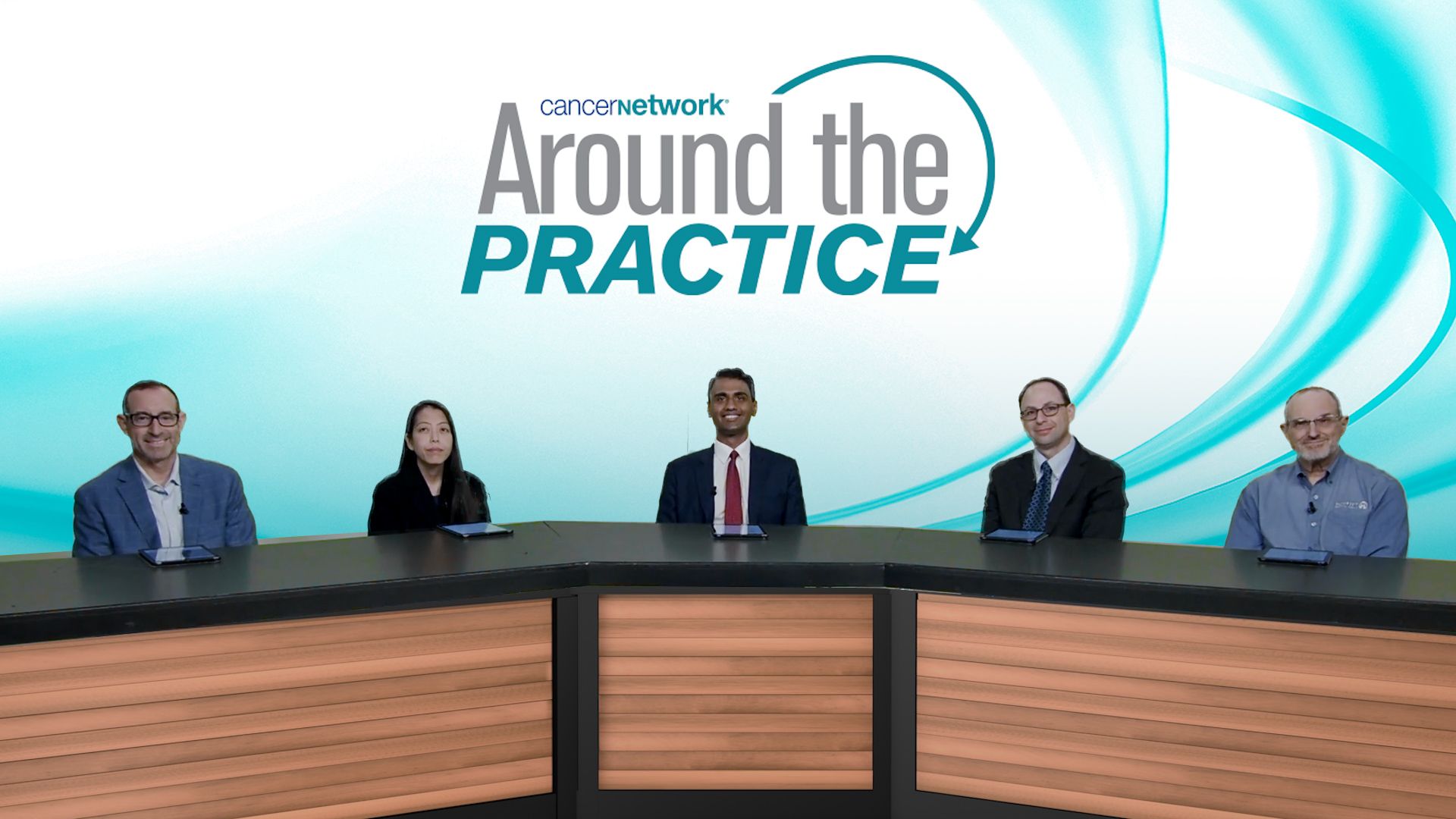
Each panelist offers a closing key message. Dr. Sondak urges surgeons and dermatologists to resist the instinct toward maximal upfront treatment and instead recognize when a multidisciplinary, multimodality approach will yield better outcomes. Dr. Schoenfeld stresses engaging the multidisciplinary team as early as possible so patients benefit from the newest options across all disease settings. Dr. Singh emphasizes that high-risk features beyond traditional staging (location, immune status, patient history) must prompt early referral to radiation oncology, surgical oncology, and medical oncology. Dr. Park advises that when in doubt, involving medical oncology early is the right move, as oncologists serve as the quarterback of the team and can coordinate molecular testing, imaging, and specialist input. Dr. Singh closes by reinforcing that multidisciplinary care, community education, and early collaboration are essential to giving every patient with advanced cSCC the best possible outcome.
