


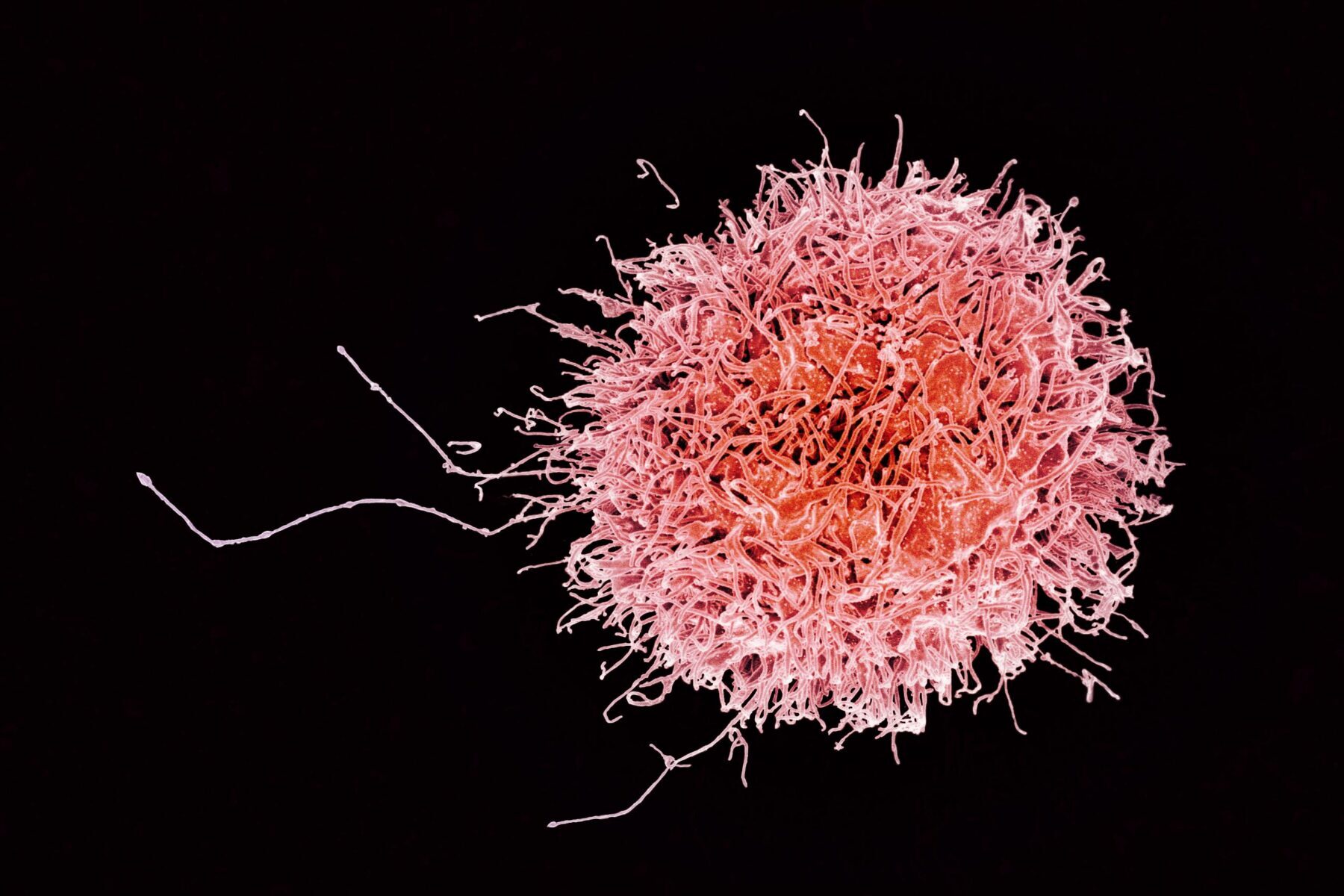
Beyond prevention, the project could also help answer another major question around myeloma: why people of African ancestry are more likely to develop it than other groups. This focus on NK cells won’t solve the mystery on its own, but it could help reveal whether differences in the immune system are part of the explanation.
“In the long term, our work will inform more personalised approaches to monitoring and treating people with precancerous conditions like smouldering myeloma,” Rees explains.
“We want to uncover why the immune system sometimes fails to stop cancer developing and how this knowledge can be used to intervene earlier.”
Smouldering myeloma: from precancer to cancer prevention
This new study is part of a much wider research effort to find ways of predicting and preventing myeloma. Alongside COSMOS, Rees is also working on the MODIFY study, which is testing whether a combination of immunotherapies can help prevent or delay myeloma in people whose smouldering myeloma cells are considered high risk.
That could be a big step towards preventing myeloma, but it’s still limited by the fact it’s only focusing on the appearance and genetics of smouldering myeloma cells themselves. For Rees, that’s like only looking at one half of a picture.
“The current risk stratifications that we use aren’t necessarily precise, and they don’t take the individual into account,” she explains.
MODIFY is using some of the best prediction tools available, but even those can only identify when someone has a 1 in 2 chance of developing myeloma within the next two years. That’s still comparable to a coin flip. “How do you respond to that?” asks Rees. “Some of these treatments might be quite intensive, and many people with myeloma are older, so it can be a difficult conversation.”
We’re still at the beginning, but discoveries from Rees’s study could eventually add more precision to MODIFY and other similar trials. From there, the findings could start to influence standard care. “We want to give more information and ultimately more options for individuals to decide what may suit them the best,” she explains.
And, crucially, it’s people who are facing smouldering myeloma today who are making that possible. As Rees herself makes clear, “without patients volunteering to be in any of these trials and agreeing to share their samples, we wouldn’t be able to do any of this.”
Thanks to their generosity, doctors may one day be able to look at patients’ immune genetics alongside their smouldering myeloma cells. Together, those two perspectives could make the condition much easier to understand and predict. People diagnosed with smouldering myeloma wouldn’t face the uncertainty they do today, and the doctors caring for them would know when they need to act to stop myeloma before it starts.
Liz and Tim
