


Key Takeaways
- Prioritize early detection: Staying current with recommended preventive screenings is the most effective strategy to catch cancer before symptoms emerge, which drastically improves your long-term survival rates and treatment success.
- Follow age-based guidelines: While national cancer screening guidelines provide a roadmap for your 20s, 30s, 40s and beyond, personalized factors – such as your family medical history – can guide when you should start specific tests.
- Adapt to evolving standards: Medical organizations frequently update screening recommendations – such as lowering the starting age for colorectal cancer screening to 45 and mammograms to 40 – to better reflect rising cancer rates among younger adults.
- Advocate for your health: Use your annual physical as an opportunity to discuss customized preventive health options with your primary care provider, ensuring your plan accounts for specific risk factors like dense breast tissue or a history of smoking.
Radiation oncologist Dr. Sue Hwang treats breast cancer patients every day, but she didn’t expect to become one herself.
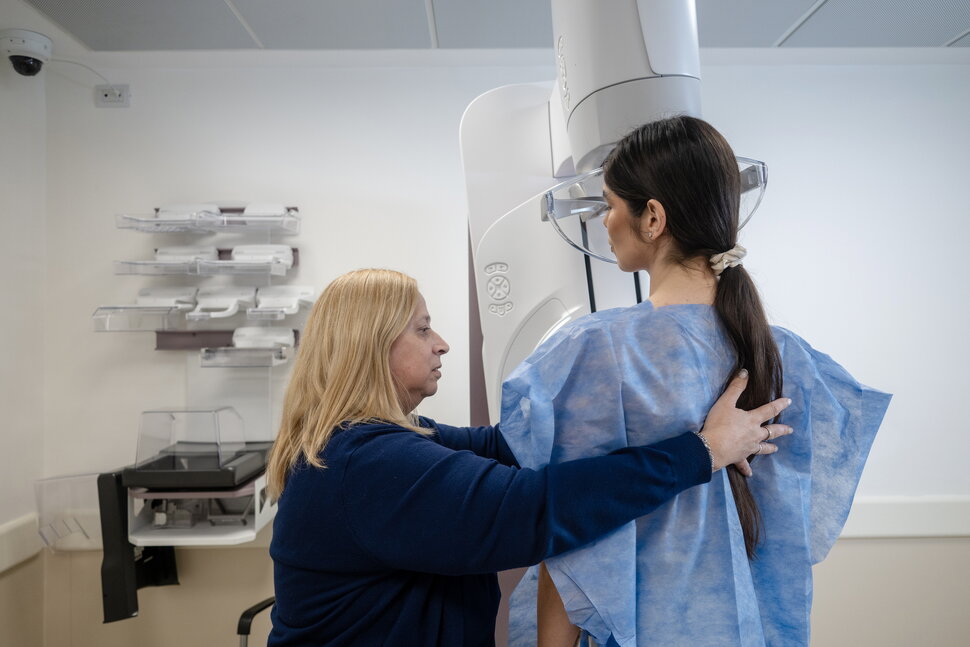
“If I didn’t go for the mammogram when I did, I never would have known because I had no symptoms,” says Hwang, who authored “From Both Sides of the Curtain: Lessons and Reflections from an Oncologist’s Personal Breast Cancer Journey” based on her experience. “I credit the mammogram with saving my life.”
Catching cancer early – before symptoms even appear – drastically improves long-term survival rates. Simply put: the sooner it is detected, the higher the chances of successful treatment.
“Every day, I meet patients who are diagnosed with cancer through routine screening,” Hwang says. “I always advise my patients to stay up-to-date.”
Cancer screening guidelines are dynamic, regularly updating to reflect the latest oncology data and public health trends, but this can also make it tough to keep up with which ones you should have and when.
The Preventive Screening Timeline: A Life-Stage Overview
This preventative cancer screenings chart maps out primary screenings by decade. Different medical organizations may vary slightly, but these cancer screening guidelines are based on updated recommendations from the U.S. Preventative Services Task Force.
“Every test has risks and benefits, and medical organizations are constantly re-evaluating their recommendations to ensure that they are balancing the life-saving benefits of the tests with the harms of overtesting, such as unnecessary biopsies and false positives,“ Hwang says.
Age Bracket
Primary Screenings to Focus On
Target Malignancies
Standard Frequency
Ages 21-39
Cervical screening, genetic history mapping
Cervical
Every 3-5 years
Ages 40-49
Mammography, colorectal screening, ongoing cervical screening
Breast, colorectal, cervical
Annual/biennial (breast); options from annual stool test to every 10 years for colonoscopy (colon starting at 45)
Ages 50-64
Prostate discussion, lung CT (if eligible), ongoing colon/breast/cervical
Colorectal, breast, prostate, lung, cervical
Varies by risk profile and specific test type
Ages 65+
Continued routine screens
Comprehensive monitoring
Adjusted individually based on overall longevity projections
Skin cancer screening: What guidelines say about annual checks
Despite a 50-year surge in skin cancer cases linked to UV exposure, official screening guidelines remain surprisingly cautious. The U.S. Preventive Services Task Force (USPSTF) currently finds insufficient evidence that routine visual skin checks by a doctor reduce mortality for average-risk adults.
Still, personalized prevention matters. If you have key risk factors, like fair skin or a family history of skin cancer, regular skin checks by a dermatologist may still be essential.
Talk to your healthcare provider about your individual risk profile – and perform self-exams at home to catch changing or abnormal moles early.
“Know your own skin,” says Dr. Avishek Kumar, a board-certified medical oncologist. “If a mole is changing, bleeding or looks different from the others, don’t ignore it.”
Laying the Foundation: Screenings in Your 20s and 30s
Early adulthood is the ideal time to establish lifelong preventive habits. Start by learning and recording your family medical history, which can alter your screening timeline if you discover genetic predispositions. If possible, talk to your parents and grandparents and write everything down.
“It is important to know your family history because it can trigger some of these tests to occur earlier than what is recommended in national guidelines,” Hwang says.
For example, while many essential health screenings all women need are age-dependent, most women should start routine mammograms at age 40; however, if your mother was diagnosed with breast cancer at age 45, your screenings will need to start sooner.
For women in their 20s and 30s, cancer screenings begin with cervical cancer – a highly treatable and curable disease when caught early. Pap smears and HPV tests, which involve collecting a small sample of cells from the cervix, are typically performed during regular gynecological visits.
While annual Pap smears used to be the standard, doctors now also rely on HPV testing to detect the specific strains of human papillomavirus most likely to cause cancer.
In addition, because cervical cancer generally grows slowly, guidelines now recommend testing every three to five years rather than annually. This prevents unnecessary follow-up procedures, such as biopsies, which carry their own risks.
“Cervical cancer is one of the cancers we can often prevent,” Kumar says. “Pap smears and HPV testing let us find abnormal cells years before they become cancerous.”
You will have some options according to the USPSTF cervical cancer screening schedule starting in your 20s:
Age Group
Screening Type
Frequency
21 to 29
Pap smear
Every 3 years
30 to 65
Pap smear
Every 3 years
30 to 65
HPV test
Every 5 years
30 to 65
HPV and Pap co-testing
Every 5 years
The Critical Shift: Screenings in Your 40s
Preventive screenings ramp up significantly in middle age as cancer incidence rises. Recently, baseline age thresholds for several key tests have been lowered due to rising cancer rates among young adults and new research on early prevention.
“The fact that screening guidelines change is evidence that they’re working,” Kumar says. “As we get better data, recommendations get better: We learn who benefits most from screening, when to start and sometimes when we can avoid unnecessary testing. Medicine shouldn’t stay the same if the evidence doesn’t.”
Breast health and the evolving mammography landscape
In 2024, the USPSTF lowered the recommended mammogram starting age for average-risk women from 50 to 40 to better detect early-onset, aggressive breast cancers.
While dense breast tissue makes cancer harder to spot on traditional mammograms, the USPSTF does not yet officially recommend routine supplemental screenings – such as ultrasound or MRI – urgently calling for more research instead. However, you should discuss with your doctor whether additional imaging makes sense for your personal situation.
Similarly, the task force is calling for more data on breast cancer in Black women, who are 40 percent more likely to die from breast cancer than white women and tend to develop more aggressive forms at younger ages.
Colorectal health: The new starting line for colonoscopies
In response to this updated data, the USPSTF lowered the initial colorectal screening age from 50 to 45 for average-risk individuals.
Colonoscopy remains the preferred screening method because of its accuracy and its unique ability to prevent cancer before it starts.
“Colonoscopy is unique because it can actually prevent cancer by removing polyps during the procedure,” Kumar says.
However, because the procedure requires anesthesia and thorough bowel preparation, many people prefer noninvasive alternatives like stool-based tests.
“The best screening test is the one a patient will actually complete, so stool-based tests are a great option for many average-risk adults,” Kumar says.
Refining Your Strategy: Screenings in Your 50s and 60s
During these peak screening years, your lifestyle history and biological sex play an increasingly complex role, as testing shifts from standardized guidelines toward personalized medical decisions.
“By your 50s and 60s, screening becomes even more important because the risk of many common cancers continues to rise,” Kumar says.
Prostate cancer and the PSA dialogue
In the 1990s, the prostate-specific antigen (PSA) blood test became the standard prostate cancer screening for men starting in their 50s, with higher PSA levels signaling a greater potential risk of cancer.
“PSA screening shouldn’t be one-size-fits-all,” Kumar says. “It works best when it’s part of a discussion between a patient and their physician about individual risk, family history and personal preferences.”
Lung cancer screening for high-risk groups
Annual lung cancer screening using low-dose computed tomography (LDCT) is specifically targeted toward high-risk individuals: Adults ages 50 to 80 with a 20 pack-year smoking history who currently smoke or have quit within the last 15 years.
This screening dramatically reduces mortality of lung cancer by catching cellular changes long before they cause breathing difficulties or other symptoms.
“Used in the right patients, (LDCT scans) can find lung cancer at a stage when it’s much more treatable,” Kumar says.
However, to determine whether you qualify for this life-saving scan, you must be honest with your doctor about your current or past smoking history.
Personalized Questions to Bring to Your Next Annual Exam
Along with our preventive cancer screening chart for your age group, bring this practical checklist of questions to ask your primary care provider during your next routine physical:
- Am I due for any cancer screenings?
- Does my family history mean I should start earlier?
- Should I consider any genetic testing?
- Which screening test out of the recommended options is best for me?
- If I’m behind on screening, what should I prioritize first?
“One conversation with your primary care doctor can make sure you’re not missing something important,” Kumar says.
In addition, ask about customized cancer screening guidelines based on individual factors, such as dense breast tissue, personal histories of smoking or alcohol use and specialized testing for higher-risk groups.
Bottom Line: Empowerment Through Prevention
Keeping up with cancer screenings by age is an act of proactive self-care to protect your health, instead of reacting to a diagnosis at a more advanced stage.
“I’ve seen patients fail treatment and witnessed first-hand the devastating consequences of treatment side effects and complications,” Hwang says. “These screening tools result in cancers being diagnosed in the earlier stages, which in turn translates into less treatment and better outcomes.”
Bookmark this guide, and share it with a loved one who might be due for an annual checkup.
Frequently Asked Questions
What is the difference between a screening test and a diagnostic test?
A screening test is used to check for cancer in people who have no symptoms, with the goal of catching the disease in its earliest, most treatable stages. A diagnostic test is performed only after a screening test suggests an abnormality or if a patient is already experiencing specific symptoms, to confirm the presence of cancer and determine the best course of treatment.
Are cancer screenings fully covered by health insurance?
Under the Affordable Care Act (ACA), most private health insurance plans and Medicare are required to cover recommended preventive cancer screenings – such as mammograms and colonoscopies – without a copay or deductible.
However, coverage can vary if the test is categorized as “diagnostic” rather than “preventive” or if the provider is out-of-network.
Always verify your specific plan’s coverage with your insurance carrier before booking your appointment.
What should I do if I missed a recommended cancer screening?
If you are behind on your routine cancer screenings, do not panic, but do take action by scheduling an appointment with your primary care provider as soon as possible. It is rarely “too late” to resume your preventive care. Your doctor can assess your current age and risk factors to prioritize which tests are most critical and help you get back on a regular, manageable screening schedule.
How do I know if I qualify for genetic cancer testing?
You should discuss genetic testing with your doctor if you have a significant family history of cancer, such as multiple close relatives with the same type of cancer, or relatives diagnosed with cancer at an unusually young age. While not everyone needs genetic testing, it can be a life-saving tool for those with inherited gene mutations (like BRCA1 or BRCA2). Your doctor can refer you to a genetic counselor to determine if testing is appropriate for your family history.
What does a “false positive” result on a cancer screening mean?
A false positive result occurs when a screening test indicates an abnormality that suggests cancer, but subsequent diagnostic testing proves that you are cancer-free. While receiving a false positive can cause significant anxiety, it is a known possibility in preventive medicine. These results are often resolved through follow-up imaging, blood work or biopsies to ensure an accurate diagnosis.
