


Halbrook, C. J., Lyssiotis, C. A., Pasca di Magliano, M. & Maitra, A. Pancreatic cancer: advances and challenges. Cell 186, 1729–1754 (2023).
Google Scholar
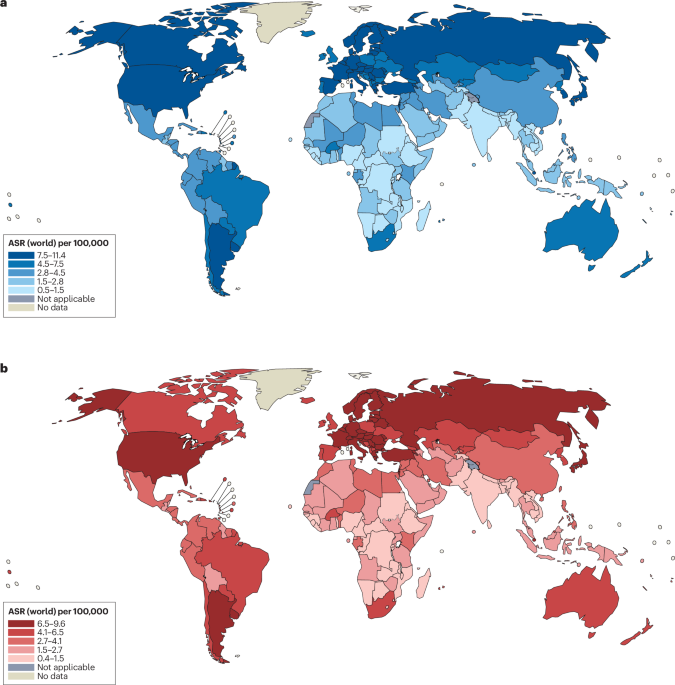
Bray, F. et al. Global cancer statistics 2022: GLOBOCAN estimates of incidence and mortality worldwide for 36 cancers in 185 countries. CA Cancer J. Clin. 74, 229–263 (2024).
Google Scholar
Grünwald, B. T. et al. Spatially confined sub-tumor microenvironments in pancreatic cancer. Cell 184, 5577–5592.e18 (2021). This study reveals that pancreatic TME heterogeneity is organized into distinct fibroblast-driven ‘subTMEs’ with defined immune and treatment-response patterns.
Google Scholar
Sherman, M. H. & Pasca di Magliano, M. Cancer-associated fibroblasts: lessons from pancreatic cancer. Annu. Rev. Cancer Biol. 7, 43–55 (2023).
Google Scholar
Steele, N. G. et al. Multimodal mapping of the tumor and peripheral blood immune landscape in human pancreatic cancer. Nat. Cancer 1, 1097–1112 (2020).
Google Scholar
Yousuf, S. et al. Spatially resolved multi-omics single-cell analyses inform mechanisms of immune dysfunction in pancreatic cancer. Gastroenterology 165, 891–908.e14 (2023).
Google Scholar
Isaji, S. et al. International consensus on definition and criteria of borderline resectable pancreatic ductal adenocarcinoma 2017. Pancreatology 18, 2–11 (2018). This international consensus defined pancreatic cancer resectability, shaping patient management and trial design.
Google Scholar
Conroy, T. et al. FOLFIRINOX versus gemcitabine for metastatic pancreatic cancer. N. Engl. J. Med. 364, 1817–1825 (2011). This trial shows that FOLFIRINOX results in significantly longer overall and progression-free survival than gemcitabine in patients with metastatic pancreatic cancer, although with higher toxicity.
Google Scholar
Von Hoff, D. D. et al. Increased survival in pancreatic cancer with nab-paclitaxel plus gemcitabine. N. Engl. J. Med. 369, 1691–1703 (2013). This study demonstrates that nab-paclitaxel plus gemcitabine is associated with longer survival and higher response rates than gemcitabine alone in metastatic pancreatic cancer, but with higher rates of neuropathy and myelosuppression.
Google Scholar
Wainberg, Z. A. et al. NALIRIFOX versus nab-paclitaxel and gemcitabine in treatment-naive patients with metastatic pancreatic ductal adenocarcinoma (NAPOLI 3): a randomised, open-label, phase 3 trial. Lancet 402, 1272–1281 (2023).
Google Scholar
Rojas, L. A. et al. Personalized RNA neoantigen vaccines stimulate T cells in pancreatic cancer. Nature 618, 144–150 (2023). This phase I trial shows that a personalized mRNA neoantigen vaccine combined with immunotherapy and chemotherapy induces strong neoantigen-specific T cell responses and is associated with delayed recurrence of resected pancreatic cancer.
Google Scholar
Sethna, Z. et al. RNA neoantigen vaccines prime long-lived CD8 + T cells in pancreatic cancer. Nature 639, 1042–1051 (2025). This follow-up study (to the study of Rojas et al. (2023)) corroborates that the personalized mRNA neoantigen vaccine autogene cevumeran induces durable CD8+ T cells that persist for years and correlate with prolonged recurrence-free survival in pancreatic cancer.
Google Scholar
Pant, S. et al. Lymph-node-targeted, mKRAS-specific amphiphile vaccine in pancreatic and colorectal cancer: the phase 1 AMPLIFY-201 trial. Nat. Med. 30, 531–542 (2024).
Google Scholar
Wainberg, Z. A. et al. Lymph node-targeted, mKRAS-specific amphiphile vaccine in pancreatic and colorectal cancer: phase 1 AMPLIFY-201 trial final results. Nat. Med. https://doi.org/10.1038/s41591-025-03876-4 (2025).
Google Scholar
Isermann, T., Sers, C., Der, C. J. & Papke, B. KRAS inhibitors: resistance drivers and combinatorial strategies. Trends Cancer 11, 91–116 (2025).
Google Scholar
Siegel, R. L., Kratzer, T. B., Wagle, N. S., Sung, H. & Jemal, A. Cancer statistics, 2026. CA Cancer J. Clin. 76, e70043 (2026).
Google Scholar
Klein, A. P. Pancreatic cancer epidemiology: understanding the role of lifestyle and inherited risk factors. Nat. Rev. Gastroenterol. Hepatol. 18, 493–502 (2021).
Google Scholar
Cause for concern: the rising incidence of early-onset pancreatic cancer. Lancet Gastroenterol. Hepatol. 8, 287 (2023).
GBD 2017 Pancreatic Cancer Collaborators. The global, regional, and national burden of pancreatic cancer and its attributable risk factors in 195 countries and territories, 1990-2017: a systematic analysis for the Global Burden of Disease Study 2017. Lancet Gastroenterol. Hepatol. 4, 934–947 (2019). This work demonstrates that global incidence, deaths and disability-adjusted life-years from pancreatic cancer have more than doubled over the past three decades, mainly due to ageing and modifiable risks.
Google Scholar
Klein, A. P. Pancreatic cancer: a growing burden. Lancet Gastroenterol. Hepatol. 4, 895–896 (2019).
Google Scholar
Bosetti, C. et al. Cigarette smoking and pancreatic cancer: an analysis from the International Pancreatic Cancer Case-Control Consortium (Panc4). Ann. Oncol. 23, 1880–1888 (2012).
Google Scholar
Genkinger, J. M. et al. Alcohol intake and pancreatic cancer risk: a pooled analysis of fourteen cohort studies. Cancer Epidemiol. Biomarkers Prev. 18, 765–776 (2009).
Google Scholar
Naudin, S. et al. Lifetime and baseline alcohol intakes and risk of pancreatic cancer in the European prospective investigation into cancer and nutrition study. Int. J. Cancer 143, 801–812 (2018).
Google Scholar
Genkinger, J. M. et al. A pooled analysis of 14 cohort studies of anthropometric factors and pancreatic cancer risk. Int. J. Cancer 129, 1708–1717 (2011).
Google Scholar
Pang, Y. et al. Diabetes, plasma glucose and incidence of pancreatic cancer: a prospective study of 0.5 million Chinese adults and a meta-analysis of 22 cohort studies. Int. J. Cancer 140, 1781–1788 (2017).
Google Scholar
Chari, S. T. et al. Probability of pancreatic cancer following diabetes: a population-based study. Gastroenterology 129, 504–511 (2005).
Google Scholar
Gupta, S. et al. New-onset diabetes and pancreatic cancer. Clin. Gastroenterol. Hepatol. 4, 1366–1372 (2006).
Google Scholar
Duell, E. J. et al. Pancreatitis and pancreatic cancer risk: a pooled analysis in the International Pancreatic Cancer Case-Control Consortium (PanC4). Ann. Oncol. 23, 2964–2970 (2012).
Google Scholar
Chen, F. et al. Analysis of heritability and genetic architecture of pancreatic cancer: A PanC4 study. Cancer Epidemiol. Biomarkers Prev. 28, 1238–1245 (2019).
Google Scholar
Lichtenstein, P. et al. Environmental and heritable factors in the causation of cancer — analyses of cohorts of twins from Sweden, Denmark, and Finland. N. Engl. J. Med. 343, 78–85 (2000).
Google Scholar
Hu, C. et al. Prevalence of pathogenic mutations in cancer predisposition genes among pancreatic cancer patients. Cancer Epidemiol. Biomarkers Prev. 25, 207–211 (2016).
Google Scholar
Shindo, K. et al. Deleterious germline mutations in patients with apparently sporadic pancreatic adenocarcinoma. J. Clin. Oncol. 35, 3382–3390 (2017).
Google Scholar
Yurgelun, M. B. et al. Germline cancer susceptibility gene variants, somatic second hits, and survival outcomes in patients with resected pancreatic cancer. Genet. Med. 21, 213–223 (2019).
Google Scholar
National Comprehensive Cancer Network. NCCN Guidelines: Genetic/Familial High-Risk Assessment: Breast, Ovarian, Pancreatic, and Prostate Version 2.2026 https://www.nccn.org/guidelines/guidelines-detail?category=2&id=1545 (NCCN, 2026).
Klein, A. P. et al. Genome-wide meta-analysis identifies five new susceptibility loci for pancreatic cancer. Nat. Commun. 9, 556 (2018).
Google Scholar
Lin, Y. et al. Genome-wide association meta-analysis identifies GP2 gene risk variants for pancreatic cancer. Nat. Commun. 11, 3175 (2020).
Google Scholar
Low, S. K. et al. Genome-wide association study of pancreatic cancer in Japanese population. PLoS ONE 5, e11824 (2010).
Google Scholar
Wu, C. et al. Genome-wide association study identifies five loci associated with susceptibility to pancreatic cancer in Chinese populations. Nat. Genet. 44, 62–66 (2011).
Google Scholar
Lopez de Maturana, E. et al. A multilayered post-GWAS assessment on genetic susceptibility to pancreatic cancer. Genome Med. 13, 15 (2021).
Google Scholar
Agerskov, R. H. & Nyeng, P. Innervation of the pancreas in development and disease. Development 151, dev202254 (2024).
Google Scholar
Fernandez, A. et al. A single-cell atlas of the murine pancreatic ductal tree identifies novel cell populations with potential implications in pancreas regeneration and exocrine pathogenesis. Gastroenterology 167, 944–960.e15 (2024).
Google Scholar
Ardalan, B. et al. Distinct molecular and clinical features of specific variants of KRAS codon 12 in pancreatic adenocarcinoma. Clin. Cancer Res. 31, 1082–1090 (2025).
Google Scholar
Nusrat, F. et al. The clinical implications of KRAS mutations and variant allele frequencies in pancreatic ductal adenocarcinoma. J. Clin. Med. 13, 2103 (2024).
Google Scholar
Wang, S. et al. The molecular biology of pancreatic adenocarcinoma: translational challenges and clinical perspectives. Signal. Transduct. Target. Ther. 6, 249 (2021).
Google Scholar
Waddell, N. et al. Whole genomes redefine the mutational landscape of pancreatic cancer. Nature 518, 495–501 (2015). This landmark study mapped the mutational landscape of pancreatic cancer, identifying four structural variation-based subtypes: stable, locally rearranged, scattered and unstable.
Google Scholar
Bailey, P. et al. Genomic analyses identify molecular subtypes of pancreatic cancer. Nature 531, 47–52 (2016).
Google Scholar
The Cancer Genome Atlas Research Network. Integrated genomic characterization of pancreatic ductal adenocarcinoma. Cancer Cell 32, 185–203.e13 (2017).
Google Scholar
Longnecker, D. S. & Suriawinata, A. A. Incidence of pancreatic intraepithelial neoplasia in an autopsy series. Pancreas 51, 305–309 (2022).
Google Scholar
Carpenter, E. S. et al. Analysis of donor pancreata defines the transcriptomic signature and microenvironment of early neoplastic lesions. Cancer Discov. 13, 1324–1345 (2023).
Google Scholar
Sipos, B., Frank, S., Gress, T., Hahn, S. & Kloppel, G. Pancreatic intraepithelial neoplasia revisited and updated. Pancreatology 9, 45–54 (2009).
Google Scholar
Stoop, T. F. et al. Pancreatic cancer. Lancet 405, 1182–1202 (2025).
Google Scholar
Kanda, M. et al. Presence of somatic mutations in most early-stage pancreatic intraepithelial neoplasia. Gastroenterology 142, 730–733.e9 (2012).
Google Scholar
Peters, M. L. B. et al. Progression to pancreatic ductal adenocarcinoma from pancreatic intraepithelial neoplasia: results of a simulation model. Pancreatology 18, 928–934 (2018).
Google Scholar
Hidalgo, M. Pancreatic cancer. N. Engl. J. Med. 362, 1605–1617 (2010).
Google Scholar
Storz, P. & Crawford, H. C. Carcinogenesis of pancreatic ductal adenocarcinoma. Gastroenterology 158, 2072–2081 (2020).
Google Scholar
Roth, S. et al. Evolution of the immune landscape during progression of pancreatic intraductal papillary mucinous neoplasms to invasive cancer. EBioMedicine 54, 102714 (2020).
Google Scholar
Enzler, T. et al. A comparison of spatial and phenotypic immune profiles of pancreatic ductal adenocarcinoma and its precursor lesions. Int. J. Mol. Sci. 25, 2953 (2024).
Google Scholar
Vogelstein, B. & Kinzler, K. W. Cancer genes and the pathways they control. Nat. Med. 10, 789–799 (2004).
Google Scholar
Soto, A. M. & Sonnenschein, C. Emergentism as a default: cancer as a problem of tissue organization. J. Biosci. 30, 103–118 (2005).
Google Scholar
Ferreira, R. M. M. et al. Duct- and acinar-derived pancreatic ductal adenocarcinomas show distinct tumor progression and marker expression. Cell Rep. 21, 966–978 (2017).
Google Scholar
Lee, A. Y. L. et al. Cell of origin affects tumour development and phenotype in pancreatic ductal adenocarcinoma. Gut 68, 487–498 (2019).
Google Scholar
Morris, J. P., Cano, D. A., Sekine, S., Wang, S. C. & Hebrok, M. β-Catenin blocks Kras-dependent reprogramming of acini into pancreatic cancer precursor lesions in mice. J. Clin. Invest. 120, 508–520 (2010).
Google Scholar
Neuhofer, P. et al. Acinar cell clonal expansion in pancreas homeostasis and carcinogenesis. Nature 597, 715–719 (2021).
Google Scholar
Del Poggetto, E. et al. Epithelial memory of inflammation limits tissue damage while promoting pancreatic tumorigenesis. Science 373, eabj0486 (2021).
Google Scholar
Falvo, D. J. et al. A reversible epigenetic memory of inflammatory injury controls lineage plasticity and tumor initiation in the mouse pancreas. Dev. Cell 58, 2959–2973.e7 (2023).
Google Scholar
Braxton, A. M. et al. 3D genomic mapping reveals multifocality of human pancreatic precancers. Nature 629, 679–687 (2024).
Google Scholar
Grimont, A., Leach, S. D. & Chandwani, R. Uncertain beginnings: acinar and ductal cell plasticity in the development of pancreatic cancer. Cell Mol. Gastroenterol. Hepatol. 13, 369–382 (2022).
Google Scholar
Moffitt, R. A. et al. Virtual microdissection identifies distinct tumor- and stroma-specific subtypes of pancreatic ductal adenocarcinoma. Nat. Genet. 47, 1168–1178 (2015).
Google Scholar
Chan-Seng-Yue, M. et al. Transcription phenotypes of pancreatic cancer are driven by genomic events during tumor evolution. Nat. Genet. 52, 231–240 (2020). This single-cell study shows that pancreatic cancer heterogeneity arises from continuous genomic instability, with molecular subtypes co-existing within individual tumours.
Google Scholar
Collisson, E. A. et al. Subtypes of pancreatic ductal adenocarcinoma and their differing responses to therapy. Nat. Med. 17, 500–503 (2011). Based on transcriptional profiles this study identifies three molecular subtypes of pancreatic cancer associated with distinct clinical outcomes and therapeutic responses: classical, quasimesenchymal and exocrine-like.
Google Scholar
O’Kane, G. M. et al. GATA6 expression distinguishes classical and basal-like subtypes in advanced pancreatic cancer. Clin. Cancer Res. 26, 4901–4910 (2020).
Google Scholar
Knox, J. J. et al. PASS-01: randomized phase II trial of modified FOLFIRINOX versus gemcitabine/nab-paclitaxel and molecular correlatives for previously untreated metastatic pancreatic cancer. J. Clin. Oncol. 43, 3355–3368 (2025).
Google Scholar
Williams, H. L. et al. Spatially resolved single-cell assessment of pancreatic cancer expression subtypes reveals co-expressor phenotypes and extensive intratumoral heterogeneity. Cancer Res. 83, 441–455 (2023).
Google Scholar
Somerville, T. D. D. et al. TP63-mediated enhancer reprogramming drives the squamous subtype of pancreatic ductal adenocarcinoma. Cell Rep. 25, 1741–1755.e7 (2018).
Google Scholar
Tu, M. et al. TNF-α-producing macrophages determine subtype identity and prognosis via AP1 enhancer reprogramming in pancreatic cancer. Nat. Cancer 2, 1185–1203 (2021).
Google Scholar
Raghavan, S. et al. Microenvironment drives cell state, plasticity, and drug response in pancreatic cancer. Cell 184, 6119–6137.e26 (2021).
Google Scholar
Klein, L. et al. Spatial tumor immune heterogeneity facilitates subtype co-existence and therapy response in pancreatic cancer. Nat. Commun. 16, 335 (2025).
Google Scholar
Flowers, B. M. et al. Cell of origin influences pancreatic cancer subtype. Cancer Discov. 11, 660–677 (2021).
Google Scholar
Biffi, G. et al. IL1-induced JAK/STAT signaling is antagonized by TGFβ to shape CAF heterogeneity in pancreatic ductal adenocarcinoma. Cancer Discov. 9, 282–301 (2019).
Google Scholar
Elyada, E. et al. Cross-species single-cell analysis of pancreatic ductal adenocarcinoma reveals antigen-presenting cancer-associated fibroblasts. Cancer Discov. 9, 1102–1123 (2019). This work defines CAF subtype gene signatures and identifies a novel major histocompatibility complex class II-expressing, antigen-presenting CAF, highlighting immune-modulatory roles in pancreatic cancer.
Google Scholar
Ohlund, D. et al. Distinct populations of inflammatory fibroblasts and myofibroblasts in pancreatic cancer. J. Exp. Med. 214, 579–596 (2017).
Google Scholar
Dominguez, C. X. et al. Single-cell RNA sequencing reveals stromal evolution into LRRC15+ myofibroblasts as a determinant of patient response to cancer immunotherapy. Cancer Discov. 10, 232–253 (2020).
Google Scholar
Sahai, E. et al. A framework for advancing our understanding of cancer-associated fibroblasts. Nat. Rev. Cancer 20, 174–186 (2020).
Google Scholar
Cukierman, E., Pankov, R., Stevens, D. R. & Yamada, K. M. Taking cell-matrix adhesions to the third dimension. Science 294, 1708–1712 (2001).
Google Scholar
Hosein, A. N., Brekken, R. A. & Maitra, A. Pancreatic cancer stroma: an update on therapeutic targeting strategies. Nat. Rev. Gastroenterol. Hepatol. 17, 487–505 (2020).
Google Scholar
Francescone, R., Crawford, H. C. & Vendramini-Costa, D. B. Rethinking the roles of cancer-associated fibroblasts in pancreatic cancer. Cell Mol. Gastroenterol. Hepatol. 17, 737–743 (2024).
Google Scholar
Bayne, L. J. et al. Tumor-derived granulocyte-macrophage colony-stimulating factor regulates myeloid inflammation and T cell immunity in pancreatic cancer. Cancer Cell 21, 822–835 (2012).
Google Scholar
Pylayeva-Gupta, Y., Lee, K. E., Hajdu, C. H., Miller, G. & Bar-Sagi, D. Oncogenic Kras-induced GM-CSF production promotes the development of pancreatic neoplasia. Cancer Cell 21, 836–847 (2012).
Google Scholar
Zhang, Y. et al. Regulatory T-cell depletion alters the tumor microenvironment and accelerates pancreatic carcinogenesis. Cancer Discov. 10, 422–439 (2020).
Google Scholar
Jang, J. E. et al. Crosstalk between regulatory T cells and tumor-associated dendritic cells negates anti-tumor immunity in pancreatic cancer. Cell Rep. 20, 558–571 (2017).
Google Scholar
Gulhati, P. et al. Targeting T cell checkpoints 41BB and LAG3 and myeloid cell CXCR1/CXCR2 results in antitumor immunity and durable response in pancreatic cancer. Nat. Cancer 4, 62–80 (2023).
Google Scholar
O’Hara, M. H. et al. CD40 agonistic monoclonal antibody APX005M (sotigalimab) and chemotherapy, with or without nivolumab, for the treatment of metastatic pancreatic adenocarcinoma: an open-label, multicentre, phase 1b study. Lancet Oncol. 22, 118–131 (2021).
Google Scholar
Guillaumond, F. et al. Strengthened glycolysis under hypoxia supports tumor symbiosis and hexosamine biosynthesis in pancreatic adenocarcinoma. Proc. Natl Acad. Sci. USA 110, 3919–3924 (2013).
Google Scholar
Son, J. et al. Glutamine supports pancreatic cancer growth through a KRAS-regulated metabolic pathway. Nature 496, 101–105 (2013).
Google Scholar
Ying, H. et al. Oncogenic Kras maintains pancreatic tumors through regulation of anabolic glucose metabolism. Cell 149, 656–670 (2012).
Google Scholar
Nwosu, Z. C. et al. Uridine-derived ribose fuels glucose-restricted pancreatic cancer. Nature 618, 151–158 (2023).
Google Scholar
Roeyen, G. et al. Expert opinion on management of pancreatic exocrine insufficiency in pancreatic cancer. ESMO Open 7, 100386 (2022).
Google Scholar
Phillips, M. E. et al. Consensus for the management of pancreatic exocrine insufficiency: UK practical guidelines. BMJ Open Gastroenterol. 8, e000643 (2021).
Google Scholar
Argiles, J. M., Lopez-Soriano, F. J., Stemmler, B. & Busquets, S. Cancer-associated cachexia — understanding the tumour macroenvironment and microenvironment to improve management. Nat. Rev. Clin. Oncol. 20, 250–264 (2023).
Google Scholar
Ferrer, M. et al. Cachexia: a systemic consequence of progressive, unresolved disease. Cell 186, 1824–1845 (2023).
Google Scholar
Wang, D. et al. GDF15 promotes weight loss by enhancing energy expenditure in muscle. Nature 619, 143–150 (2023).
Google Scholar
Petruzzelli, M. et al. Early neutrophilia marked by aerobic glycolysis sustains host metabolism and delays cancer cachexia. Cancers 14, 963 (2022).
Google Scholar
Tsilimigras, D. I. et al. Liver metastases. Nat. Rev. Dis. Primers 7, 27 (2021).
Google Scholar
Iacobuzio-Donahue, C. A. et al. DPC4 gene status of the primary carcinoma correlates with patterns of failure in patients with pancreatic cancer. J. Clin. Oncol. 27, 1806–1813 (2009).
Google Scholar
Bellomo, G. et al. Chemotherapy-induced infiltration of neutrophils promotes pancreatic cancer metastasis via Gas6/AXL signalling axis. Gut 71, 2284–2299 (2022).
Google Scholar
Mucciolo, G. et al. EGFR-activated myofibroblasts promote metastasis of pancreatic cancer. Cancer Cell 42, 101–118.e11 (2024).
Google Scholar
Bojmar, L. et al. Multi-parametric atlas of the pre-metastatic liver for prediction of metastatic outcome in early-stage pancreatic cancer. Nat. Med. 30, 2170–2180 (2024).
Google Scholar
Patras, L., Shaashua, L., Matei, I. & Lyden, D. Immune determinants of the pre-metastatic niche. Cancer Cell 41, 546–572 (2023).
Google Scholar
Peinado, H. et al. Pre-metastatic niches: organ-specific homes for metastases. Nat. Rev. Cancer 17, 302–317 (2017).
Google Scholar
Kersten, K., de Visser, K. E., van Miltenburg, M. H. & Jonkers, J. Genetically engineered mouse models in oncology research and cancer medicine. EMBO Mol. Med. 9, 137–153 (2017).
Google Scholar
Wakefield, L., Agarwal, S. & Tanner, K. Preclinical models for drug discovery for metastatic disease. Cell 186, 1792–1813 (2023).
Google Scholar
Pérez-Mancera, P. A., Guerra, C., Barbacid, M. & Tuveson, D. A. What we have learned about pancreatic cancer from mouse models. Gastroenterology 142, 1079–1092 (2012).
Google Scholar
Schönhuber, N. et al. A next-generation dual-recombinase system for time- and host-specific targeting of pancreatic cancer. Nat. Med. 20, 1340–1347 (2014).
Google Scholar
Hingorani, S. R. et al. Preinvasive and invasive ductal pancreatic cancer and its early detection in the mouse. Cancer Cell 4, 437–450 (2003). This work presents the original GEMM model of pancreatic cancer initiation and progression, which has served as the basis for many subsequent models.
Google Scholar
Day, C. P., Merlino, G. & Van Dyke, T. Preclinical mouse cancer models: a maze of opportunities and challenges. Cell 163, 39–53 (2015).
Google Scholar
Gopinathan, A., Morton, J. P., Jodrell, D. I. & Sansom, O. J. GEMMs as preclinical models for testing pancreatic cancer therapies. Dis. Model. Mech. 8, 1185–1200 (2015).
Google Scholar
Orlen, M. et al. T-cell dependency of tumor regressions and complete responses with RAS(ON) multi-selective inhibition in preclinical models of pancreatic ductal adenocarcinoma. Cancer Discov. 15, 1697–1716 (2025).
Google Scholar
Buque, A. & Galluzzi, L. Modeling tumor immunology and immunotherapy in mice. Trends Cancer 4, 599–601 (2018).
Google Scholar
Boj, S. F. et al. Organoid models of human and mouse ductal pancreatic cancer. Cell 160, 324–338 (2015). This work is the first, to our knowledge, to describe human and mouse pancreatic ductal organoids, opening new research avenues in pancreatic cancer.
Google Scholar
Papargyriou, A. et al. Heterogeneity-driven phenotypic plasticity and treatment response in branched-organoid models of pancreatic ductal adenocarcinoma. Nat. Biomed. Eng. 9, 836–864 (2025).
Google Scholar
Li, Y. et al. A pancreatic cancer organoid biobank links multi-omics signatures to therapeutic response and clinical evaluation of statin combination therapy. Cell Stem Cell 32, 1369–1389.e14 (2025).
Google Scholar
Boilève, A. et al. Organoids for functional precision medicine in advanced pancreatic cancer. Gastroenterology 167, 961–976.e13 (2024).
Google Scholar
Francescone, R. et al. Netrin G1 promotes pancreatic tumorigenesis through cancer-associated fibroblast-driven nutritional support and immunosuppression. Cancer Discov. 11, 446–479 (2021).
Google Scholar
Rothwell, P. M. et al. Effect of daily aspirin on long-term risk of death due to cancer: analysis of individual patient data from randomised trials. Lancet 377, 31–41 (2011).
Google Scholar
Laeeq, T., Ahmed, M., Sattar, H., Zeeshan, M. H. & Ali, M. B. Role of SGLT2 inhibitors, DPP-4 inhibitors, and metformin in pancreatic cancer prevention. Cancers 16, 1325 (2024).
Google Scholar
Bagheri, H., Adeli, O.-A., Heidari-Soureshjani, S., Azadegan-Dehkordi, Z. & Sherwin, C. M. T. The relationship between statin intake and risk of pancreatic cancer: a systematic review and meta-analysis. Curr. Drug. Res. Rev. 17, 311–321 (2025).
Google Scholar
Blackford, A. L. et al. Pancreatic cancer surveillance and survival of high-risk individuals. JAMA Oncol. 10, 1087–1096 (2024).
Google Scholar
Dbouk, M. et al. The multicenter cancer of pancreas screening study: impact on stage and survival. J. Clin. Oncol. 40, 3257–3266 (2022). The CAPS study shows that pancreatic surveillance in high-risk individuals detects most cancers at stage I, improving long-term survival compared with cancers diagnosed outside surveillance.
Google Scholar
US Preventive Services Task Force. Screening for pancreatic cancer: US Preventive Services Task Force reaffirmation recommendation statement. JAMA 322, 438–444 (2019).
Google Scholar
Ikemoto, J. et al. Clinical analysis of early-stage pancreatic cancer and proposal for a new diagnostic algorithm: a multicenter observational study. Diagnostics 11, 287 (2021).
Google Scholar
Hanada, K. et al. Effective screening for early diagnosis of pancreatic cancer. Best Pract. Res. Clin. Gastroenterol. 29, 929–939 (2015).
Google Scholar
Molina-Montes, E. et al. Risk of pancreatic cancer associated with family history of cancer and other medical conditions by accounting for smoking among relatives. Int. J. Epidemiol. 47, 473–483 (2018).
Google Scholar
Overbeek, K. A. et al. Timeline of development of pancreatic cancer and implications for successful early detection in high-risk individuals. Gastroenterology 162, 772–785.e4 (2022).
Google Scholar
Molina-Montes, E. et al. Deciphering the complex interplay between pancreatic cancer, diabetes mellitus subtypes and obesity/BMI through causal inference and mediation analyses. Gut 70, 319–329 (2021).
Google Scholar
Gonda, T. A., Everett, J. N., Wallace, M. & Simeone, D. M. Recommendations for a more organized and effective approach to the early detection of pancreatic cancer from the PRECEDE (Pancreatic Cancer Early Detection) Consortium. Gastroenterology 161, 1751–1757 (2021).
Google Scholar
Goggins, M. et al. Management of patients with increased risk for familial pancreatic cancer: updated recommendations from the International Cancer of the Pancreas Screening (CAPS) Consortium. Gut 69, 7–17 (2020).
Google Scholar
Fung, A. et al. ACR Appropriateness Criteria: Screening, Locoregional Assessment, and Surveillance of Pancreatic Ductal Adenocarcinoma https://acsearch.acr.org/docs/3099847/Narrative/ (American College of Radiology, 2025).
Dbouk, M. et al. Diagnostic performance of a tumor marker gene test to personalize serum CA19-9 reference ranges. Clin. Cancer Res. 29, 4178–4185 (2023).
Google Scholar
Wong, D. et al. Early cancer detection in Li-Fraumeni syndrome with cll-free DNA. Cancer Discov. 14, 104–119 (2024).
Google Scholar
Cao, K. et al. Large-scale pancreatic cancer detection via non-contrast CT and deep learning. Nat. Med. 29, 3033–3043 (2023).
Google Scholar
Kuwahara, T. et al. Artificial intelligence using deep learning analysis of endoscopic ultrasonography images for the differential diagnosis of pancreatic masses. Endoscopy 55, 140–149 (2023).
Google Scholar
Ribeiro, A., Peng, J., Casas, C. & Fan, Y. S. Endoscopic ultrasound guided fine needle aspiration with fluorescence in situ hybridization analysis in 104 patients with pancreatic mass. J. Gastroenterol. Hepatol. 29, 1654–1658 (2014).
Google Scholar
Thompson, E. D., Zhang, M. L. & VandenBussche, C. J. The diagnostic challenge of evaluating small biopsies from the pancreatobiliary system. Surg. Pathol. Clin. 15, 435–453 (2022).
Google Scholar
Eloubeidi, M. A. et al. The role of endoscopy in the evaluation and management of patients with solid pancreatic neoplasia. Gastrointest. Endosc. 83, 17–28 (2016).
Google Scholar
Dumonceau, J. M. et al. Indications, results, and clinical impact of endoscopic ultrasound (EUS)-guided sampling in gastroenterology: European Society of Gastrointestinal Endoscopy (ESGE) Clinical Guideline — updated January 2017. Endoscopy 49, 695–714 (2017).
Google Scholar
Khan, M. A. et al. A meta-analysis of endoscopic ultrasound-fine-needle aspiration compared to endoscopic ultrasound-fine-needle biopsy: diagnostic yield and the value of onsite cytopathological assessment. Endosc. Int. Open 5, E363–E375 (2017).
Google Scholar
Conti Bellocchi, M. C. et al. EUS-FNA versus EUS-FNB in pancreatic solid lesions ≤15 mm. Diagnostics 14, 427 (2024).
Google Scholar
Poruk, K. E. et al. The clinical utility of CA 19-9 in pancreatic adenocarcinoma: diagnostic and prognostic updates. Curr. Mol. Med. 13, 340–351 (2013).
Google Scholar
Conroy, T. et al. Pancreatic cancer: ESMO Clinical Practice Guideline for diagnosis, treatment and follow-up. Ann. Oncol. 34, 987–1002 (2023).
Google Scholar
Wei, L., Yao, K., Gan, S. & Suo, Z. Clinical utilization of serum- or plasma-based miRNAs as early detection biomarkers for pancreatic cancer: a meta-analysis up to now. Medicine 97, e12132 (2018).
Google Scholar
Stoecklein, N. H. et al. Ultra-sensitive CTC-based liquid biopsy for pancreatic cancer enabled by large blood volume analysis. Mol. Cancer 22, 181 (2023).
Google Scholar
Nikiforova, M. N. et al. A combined DNA/RNA-based next-generation sequencing platform to improve the classification of pancreatic cysts and early detection of pancreatic cancer arising from pancreatic cysts. Ann. Surg. 278, e789–e797 (2023).
Google Scholar
Genco, E. et al. A single-molecule bioelectronic portable array for early diagnosis of pancreatic cancer precursors. Adv. Mater. 35, e2304102 (2023).
Google Scholar
Chu, L. C., Goggins, M. G. & Fishman, E. K. Diagnosis and detection of pancreatic cancer. Cancer J. 23, 333–342 (2017).
Google Scholar
Toft, J. et al. Imaging modalities in the diagnosis of pancreatic adenocarcinoma: a systematic review and meta-analysis of sensitivity, specificity and diagnostic accuracy. Eur. J. Radiol. 92, 17–23 (2017).
Google Scholar
National Comprehensive Cancer Network. NCCN Guidelines: Pancreatic Adenocarcinoma Version 2.2025 https://www.nccn.org/guidelines/guidelines-detail?category=1&id=1455 (NCCN, 2025).
Altmayer, S. et al. MRI with DWI improves detection of liver metastasis and selection of surgical candidates with pancreatic cancer: a systematic review and meta-analysis. Eur. Radiol. 34, 106–114 (2024).
Google Scholar
Hong, S. B. et al. Meta-analysis of MRI for the diagnosis of liver metastasis in patients with pancreatic adenocarcinoma. J. Magn. Reson. Imaging 51, 1737–1744 (2020).
Google Scholar
Amin, M. B. et al. The Eighth Edition AJCC Cancer Staging Manual: continuing to build a bridge from a population-based to a more “personalized” approach to cancer staging. CA Cancer J. Clin. 67, 93–99 (2017).
Google Scholar
Mohile, S. G. et al. Practical assessment and management of vulnerabilities in older patients receiving chemotherapy: ASCO Guideline for Geriatric Oncology. J. Clin. Oncol. 36, 2326–2347 (2018).
Google Scholar
Neoptolemos, J. P. et al. A randomized trial of chemoradiotherapy and chemotherapy after resection of pancreatic cancer. N. Engl. J. Med. 350, 1200–1210 (2004). This large trial established adjuvant chemotherapy as a standard of care for pancreatic cancer.
Google Scholar
Oettle, H. et al. Adjuvant chemotherapy with gemcitabine and long-term outcomes among patients with resected pancreatic cancer: the CONKO-001 randomized trial. JAMA 310, 1473–1481 (2013).
Google Scholar
Conroy, T. et al. Five-year outcomes of FOLFIRINOX vs gemcitabine as adjuvant therapy for pancreatic cancer: a randomized clinical trial. JAMA Oncol. 8, 1571–1578 (2022).
Google Scholar
Conroy, T. et al. FOLFIRINOX or gemcitabine as adjuvant therapy for pancreatic cancer. N. Engl. J. Med. 379, 2395–2406 (2018). This RCT demonstrates that multiagent adjuvant therapy (mFOLFIRINOX) improves survival compared with gemcitabine in resected pancreatic cancer.
Google Scholar
Neoptolemos, J. P. et al. Comparison of adjuvant gemcitabine and capecitabine with gemcitabine monotherapy in patients with resected pancreatic cancer (ESPAC-4): a multicentre, open-label, randomised, phase 3 trial. Lancet 389, 1011–1024 (2017).
Google Scholar
Uesaka, K. et al. Adjuvant chemotherapy of S-1 versus gemcitabine for resected pancreatic cancer: a phase 3, open-label, randomised, non-inferiority trial (JASPAC 01). Lancet 388, 248–257 (2016).
Google Scholar
Valle, J. W. et al. Optimal duration and timing of adjuvant chemotherapy after definitive surgery for ductal adenocarcinoma of the pancreas: ongoing lessons from the ESPAC-3 study. J. Clin. Oncol. 32, 504–512 (2014).
Google Scholar
Ghaneh, P. et al. Immediate surgery compared with short-course neoadjuvant gemcitabine plus capecitabine, FOLFIRINOX, or chemoradiotherapy in patients with borderline resectable pancreatic cancer (ESPAC5): a four-arm, multicentre, randomised, phase 2 trial. Lancet Gastroenterol. Hepatol. 8, 157–168 (2023).
Google Scholar
Reni, M. et al. Preoperative mFOLFIRINOX versus PAXG for stage I–III resectable and borderline resectable pancreatic ductal adenocarcinoma (PACT-21 CASSANDRA): results of the first randomisation analysis of a randomised, open-label, 2 × 2 factorial phase 3 trial. Lancet 406, 2945–2956 (2026).
Google Scholar
Reni, M. & Orsi, G. Lessons and open questions in borderline resectable pancreatic cancer. Lancet Gastroenterol. Hepatol. 8, 101–102 (2023).
Google Scholar
Versteijne, E. et al. Preoperative chemoradiotherapy versus immediate surgery for resectable and borderline resectable pancreatic cancer: results of the Dutch randomized phase III PREOPANC trial. J. Clin. Oncol. 38, 1763–1773 (2020).
Google Scholar
Versteijne, E. et al. Neoadjuvant chemoradiotherapy versus upfront surgery for resectable and borderline resectable pancreatic cancer: long-term results of the Dutch randomized PREOPANC trial. J. Clin. Oncol. 40, 1220–1230 (2022).
Google Scholar
Janssen, Q. P. et al. Neoadjuvant FOLFIRINOX versus neoadjuvant gemcitabine-based chemoradiotherapy in resectable and borderline resectable pancreatic cancer (PREOPANC-2): a multicentre, open-label, phase 3 randomised trial. Lancet Oncol. 26, 1346–1356 (2025).
Google Scholar
Unno, M. et al. Neoadjuvant chemotherapy with gemcitabine and S-1 versus upfront surgery for resectable pancreatic cancer: results of the randomized phase II/III Prep-02/JSAP05 trial. Ann. Surg. https://doi.org/10.1097/SLA.0000000000006730 (2025).
Google Scholar
Bai, X. et al. Neoadjuvant nab-paclitaxel plus gemcitabine followed by modified FOLFIRINOX for resectable pancreatic cancer: a randomized phase 3 trial. Cancer Cell 43, 2259–2267.e2 (2025).
Google Scholar
Labori, K. J. et al. Neoadjuvant FOLFIRINOX versus upfront surgery for resectable pancreatic head cancer (NORPACT-1): a multicentre, randomised, phase 2 trial. Lancet Gastroenterol. Hepatol. 9, 205–217 (2024). This trial shows that neoadjuvant FOLFIRINOX does not improve survival compared with upfront surgery in resectable pancreatic cancer.
Google Scholar
Eade, A. V. et al. ALLIANCE A021806: a phase iii trial of perioperative versus adjuvant chemotherapy for resectable pancreatic cancer. Ann. Surg. Oncol. 31, 6373–6374 (2024).
Google Scholar
van Dam, J. L. et al. Perioperative or adjuvant mFOLFIRINOX for resectable pancreatic cancer (PREOPANC-3): study protocol for a multicenter randomized controlled trial. BMC Cancer 23, 728 (2023).
Google Scholar
Reames, B. N. et al. Management of locally advanced pancreatic cancer: results of an international survey of current practice. Ann. Surg. 273, 1173–1181 (2021).
Google Scholar
Kunzmann, V. et al. Nab-paclitaxel plus gemcitabine versus nab-paclitaxel plus gemcitabine followed by FOLFIRINOX induction chemotherapy in locally advanced pancreatic cancer (NEOLAP-AIO-PAK-0113): a multicentre, randomised, phase 2 trial. Lancet Gastroenterol. Hepatol. 6, 128–138 (2021).
Google Scholar
Hackert, T. et al. Locally advanced pancreatic cancer: neoadjuvant therapy with Folfirinox results in resectability in 60% of the patients. Ann. Surg. 264, 457–463 (2016).
Google Scholar
Hammel, P. et al. Effect of chemoradiotherapy vs chemotherapy on survival in patients with locally advanced pancreatic cancer controlled after 4 months of gemcitabine with or without erlotinib: the LAP07 randomized clinical trial. JAMA 315, 1844–1853 (2016).
Google Scholar
Fietkau, R. et al. Benefit of chemoradiotherapy versus chemotherapy after induction therapy for conversion of unresectable into resectable pancreatic cancer: the randomized CONKO-007 trial. J. Clin. Oncol. 43, 3266–3278 (2025).
Google Scholar
Barcellini, A. et al. Preoperative chemo-CIRT in Re/BRe pancreatic cancer: insights from a multicenter prospective phase II clinical study (NCT03822936. Tumori 110, 470–474 (2024).
Google Scholar
Zhang, G. et al. Prospective phase 2 clinical trial of carbon ion radiation therapy combined with chemotherapy for locally advanced pancreatic carcinoma. Int. J. Radiat. Oncol. Biol. Phys. 123, 1061–1070 (2025).
Google Scholar
Liermann, J. et al. Effectiveness of carbon ion radiation in locally advanced pancreatic cancer. Front. Oncol. 11, 708884 (2021).
Google Scholar
Timmer, F. E. F. et al. MRI-guided stereotactic ablative body radiotherapy versus CT-guided percutaneous irreversible electroporation for locally advanced pancreatic cancer (CROSSFIRE): a single-centre, open-label, randomised phase 2 trial. Lancet Gastroenterol. Hepatol. 9, 448–459 (2024).
Google Scholar
Frigerio, I. et al. Open radiofrequency ablation as upfront treatment for locally advanced pancreatic cancer: requiem from a randomized controlled trial. Pancreatology 21, 1342–1348 (2021).
Google Scholar
Seelen, L. W. F. et al. Radiofrequency ablation and chemotherapy versus chemotherapy alone for locally advanced pancreatic cancer (the PELICAN trial): an international randomized controlled trial. HPB 26, S36–S37 (2024).
Google Scholar
Babiker, H. M. et al. Tumor treating fields with gemcitabine and nab-paclitaxel for locally advanced pancreatic adenocarcinoma: randomized, open-label, pivotal phase III PANOVA-3 study. J. Clin. Oncol. 43, 2350–2360 (2025).
Google Scholar
Augustinus, S. et al. Nationwide impact of centralization, neoadjuvant therapy, minimally invasive surgery, and standardized pathology reporting on R0 resection and overall survival in pancreatoduodenectomy for pancreatic cancer. Ann. Surg. Oncol. 30, 5051–5060 (2023).
Google Scholar
Tummers, W. S. et al. Impact of resection margin status on recurrence and survival in pancreatic cancer surgery. Br. J. Surg. 106, 1055–1065 (2019).
Google Scholar
Leonhardt, C. S. et al. Prognostic relevance of the revised R status definition in pancreatic cancer: meta-analysis. BJS Open 6, zrac010 (2022).
Google Scholar
Lidsky, M. E. et al. Going the extra mile: improved survival for pancreatic cancer patients traveling to high-volume centers. Ann. Surg. 266, 333–338 (2017).
Google Scholar
Ahola, R. et al. Effect of centralization on long-term survival after resection of pancreatic ductal adenocarcinoma. Br. J. Surg. 104, 1532–1538 (2017).
Google Scholar
Latenstein, A. E. J. et al. Effect of centralization and regionalization of pancreatic surgery on resection rates and survival. Br. J. Surg. 108, 826–833 (2021).
Google Scholar
Groot, V. P. et al. Patterns, timing, and predictors of recurrence following pancreatectomy for pancreatic ductal adenocarcinoma. Ann. Surg. 267, 936–945 (2018).
Google Scholar
Loos, M. et al. Arterial resection in pancreatic cancer surgery: effective after a learning curve. Ann. Surg. 275, 759–768 (2022).
Google Scholar
Kirkegard, J. et al. Multicentre study of multidisciplinary team assessment of pancreatic cancer resectability and treatment allocation. Br. J. Surg. 106, 756–764 (2019).
Google Scholar
Bachellier, P. et al. Is the need for an arterial resection a contraindication to pancreatic resection for locally advanced pancreatic adenocarcinoma? A case-matched controlled study. J. Surg. Oncol. 103, 75–84 (2011).
Google Scholar
Michelakos, T. et al. Predictors of resectability and survival in patients with borderline and locally advanced pancreatic cancer who underwent neoadjuvant treatment with FOLFIRINOX. Ann. Surg. 269, 733–740 (2019).
Google Scholar
Truty, M. J. et al. Factors predicting response, perioperative outcomes, and survival following total neoadjuvant therapy for borderline/locally advanced pancreatic cancer. Ann. Surg. 273, 341–349 (2021).
Google Scholar
Tsai, S. et al. Importance of normalization of CA19-9 levels following neoadjuvant therapy in patients with localized pancreatic cancer. Ann. Surg. 271, 740–747 (2020).
Google Scholar
Perri, G. et al. Radiographic and serologic predictors of pathologic major response to preoperative therapy for pancreatic cancer. Ann. Surg. 273, 806–813 (2021).
Google Scholar
Hank, T. et al. Oncological outcome of conversion surgery after preoperative chemotherapy for metastatic pancreatic cancer. Ann. Surg. 277, e1089–e1098 (2023).
Google Scholar
Gemenetzis, G. et al. Survival in locally advanced pancreatic cancer after neoadjuvant therapy and surgical resection. Ann. Surg. 270, 340–347 (2019).
Google Scholar
Weitz, J., Rahbari, N., Koch, M. & Büchler, M. W. The “artery first” approach for resection of pancreatic head cancer. J. Am. Coll. Surg. 210, e1–e4 (2010).
Google Scholar
Sanjay, P., Takaori, K., Govil, S., Shrikhande, S. V. & Windsor, J. A. ‘Artery-first’ approaches to pancreatoduodenectomy. Br. J. Surg. 99, 1027–1035 (2012).
Google Scholar
Inoue, Y. et al. Pancreatoduodenectomy with systematic mesopancreas dissection using a supracolic anterior artery-first approach. Ann. Surg. 262, 1092–1101 (2015).
Google Scholar
Hackert, T., Werner, J., Weitz, J., Schmidt, J. & Büchler, M. W. Uncinate process first — a novel approach for pancreatic head resection. Langenbeck’s Arch. Surg. 395, 1161–1164 (2010).
Google Scholar
Ironside, N. et al. Meta-analysis of an artery-first approach versus standard pancreatoduodenectomy on perioperative outcomes and survival. Br. J. Surg. 105, 628–636 (2018).
Google Scholar
Hackert, T. et al. The TRIANGLE operation — radical surgery after neoadjuvant treatment for advanced pancreatic cancer: a single arm observational study. HPB 19, 1001–1007 (2017).
Google Scholar
Chen, J. H. et al. TRIANGLE operation, combined with adequate adjuvant chemotherapy, can improve the prognosis of pancreatic head cancer: a retrospective study. World J. Gastrointest. Oncol. 16, 1773–1786 (2024).
Google Scholar
Strasberg, S. M., Drebin, J. A. & Linehan, D. Radical antegrade modular pancreatosplenectomy. Surgery 133, 521–527 (2003).
Google Scholar
Fancellu, A. et al. The Impact on survival and morbidity of portal-mesenteric resection during pancreaticoduodenectomy for pancreatic head adenocarcinoma: a systematic review and meta-analysis of comparative studies. Cancers 12, 1976 (2020).
Google Scholar
Hackert, T. et al. Portal vein resection in pancreatic cancer surgery: risk of thrombosis and radicality determine survival. Ann. Surg. 277, e1291–e1298 (2023).
Google Scholar
Heckler, M. et al. Temporary portal vein bypass for resection of pancreatic neoplasms. Ann. Surg. https://doi.org/10.1097/SLA.0000000000006662 (2025).
Google Scholar
Cai, B. et al. Sub-adventitial divestment technique for resecting artery-involved pancreatic cancer: a retrospective cohort study. Langenbecks Arch. Surg. 406, 691–701 (2021).
Google Scholar
Bachellier, P., Addeo, P., Faitot, F., Nappo, G. & Dufour, P. Pancreatectomy with arterial resection for pancreatic adenocarcinoma: how can it be done safely and with which outcomes?: A single institution’s experience with 118 patients. Ann. Surg. 271, 932–940 (2020).
Google Scholar
Del Chiaro, M. et al. Pancreatectomy with arterial resection is superior to palliation in patients with borderline resectable or locally advanced pancreatic cancer. HPB 21, 219–225 (2019).
Google Scholar
de Rooij, T. et al. Minimally invasive versus open distal pancreatectomy (LEOPARD): a multicenter patient-blinded randomized controlled trial. Ann. Surg. 269, 2–9 (2019).
Google Scholar
Korrel, M. et al. Minimally invasive versus open distal pancreatectomy: an individual patient data meta-analysis of two randomized controlled trials. HPB 23, 323–330 (2021).
Google Scholar
van Hilst, J. et al. Oncologic outcomes of minimally invasive versus open distal pancreatectomy for pancreatic ductal adenocarcinoma: a systematic review and meta-analysis. Eur. J. Surg. Oncol. 45, 719–727 (2019).
Google Scholar
van Hilst, J. et al. Minimally invasive versus open distal pancreatectomy for ductal adenocarcinoma (DIPLOMA): a pan-European propensity score matched study. Ann. Surg. 269, 10–17 (2019).
Google Scholar
van Hilst, J. et al. Laparoscopic versus open pancreatoduodenectomy for pancreatic or periampullary tumours (LEOPARD-2): a multicentre, patient-blinded, randomised controlled phase 2/3 trial. Lancet Gastroenterol. Hepatol. 4, 199–207 (2019).
Google Scholar
Wang, M. et al. Laparoscopic versus open pancreatoduodenectomy for pancreatic or periampullary tumours: a multicentre, open-label, randomised controlled trial. Lancet Gastroenterol. Hepatol. 6, 438–447 (2021).
Google Scholar
Klotz, R. et al. Robotic versus open partial pancreatoduodenectomy (EUROPA): a randomised controlled stage 2b trial. Lancet Reg. Health Eur. 39, 100864 (2024).
Google Scholar
Liu, Q. et al. Effect of robotic versus open pancreaticoduodenectomy on postoperative length of hospital stay and complications for pancreatic head or periampullary tumours: a multicentre, open-label randomised controlled trial. Lancet Gastroenterol. Hepatol. 9, 428–437 (2024).
Google Scholar
Wang-Gillam, A. et al. Nanoliposomal irinotecan with fluorouracil and folinic acid in metastatic pancreatic cancer after previous gemcitabine-based therapy (NAPOLI-1): a global, randomised, open-label, phase 3 trial. Lancet 387, 545–557 (2016).
Google Scholar
Oettle, H. et al. Second-line oxaliplatin, folinic acid, and fluorouracil versus folinic acid and fluorouracil alone for gemcitabine-refractory pancreatic cancer: outcomes from the CONKO-003 trial. J. Clin. Oncol. 32, 2423–2429 (2014).
Google Scholar
Gill, S. et al. PANCREOX: a randomized phase III study of fluorouracil/leucovorin with or without oxaliplatin for second-line advanced pancreatic cancer in patients who have received gemcitabine-based chemotherapy. J. Clin. Oncol. 34, 3914–3920 (2016).
Google Scholar
De La Fouchardière, C. et al. Gemcitabine and paclitaxel versus gemcitabine alone after 5-fluorouracil, oxaliplatin, and irinotecan in metastatic pancreatic adenocarcinoma: a randomized phase III PRODIGE 65-UCGI 36-GEMPAX UNICANCER study. J. Clin. Oncol. 42, 1055–1066 (2024).
Google Scholar
Golan, T. et al. Maintenance olaparib for germline BRCA-mutated metastatic pancreatic cancer. N. Engl. J. Med. 381, 317–327 (2019). This biomarker-based trial showed that maintenance treatment with olaparib prolongs progression-free survival in patients with metastatic pancreatic cancer harbouring germline BRCA mutations after first-line platinum-based chemotherapy.
Google Scholar
Pishvaian, M. J. et al. Entrectinib in TRK and ROS1 fusion-positive metastatic pancreatic cancer. JCO Precis. Oncol. 2, 1–7 (2018).
Google Scholar
Hong, D. S. et al. Larotrectinib in patients with TRK fusion-positive solid tumours: a pooled analysis of three phase 1/2 clinical trials. Lancet Oncol. 21, 531–540 (2020).
Google Scholar
Schram, A. M. et al. Zenocutuzumab, a HER2xHER3 bispecific antibody, is effective therapy for tumors driven by NRG1 gene rearrangements. Cancer Discov. 12, 1233–1247 (2022).
Google Scholar
Drizyte-Miller, K., Talabi, T., Somasundaram, A., Cox, A. D. & Der, C. J. KRAS: the Achilles’ heel of pancreas cancer biology. J. Clin. Invest. 135, e191939 (2025).
Google Scholar
Wolpin, B. M. et al. Trial in progress: RASolute 302—A phase 3, multicenter, global, open-label, randomized study of daraxonrasib (RMC-6236), a RAS(ON) multi-selective inhibitor, versus standard of care chemotherapy in patients with previously treated metastatic pancreatic ductal adenocarcinoma (PDAC). J. Clin. Oncol. 43, TPS4230 (2025).
Google Scholar
Schumacher, T. N. & Schreiber, R. D. Neoantigens in cancer immunotherapy. Science 348, 69–74 (2015).
Google Scholar
Joyce, J. A. & Fearon, D. T. T cell exclusion, immune privilege, and the tumor microenvironment. Science 348, 74–80 (2015).
Google Scholar
Luchini, C. et al. Comprehensive characterisation of pancreatic ductal adenocarcinoma with microsatellite instability: histology, molecular pathology and clinical implications. Gut 70, 148–156 (2021).
Google Scholar
Le, D. T. et al. Mismatch repair deficiency predicts response of solid tumors to PD-1 blockade. Science 357, 409–413 (2017). This study establishes that mismatch repair deficiency correlates with response to PD1 blockade, regardless of tumour type.
Google Scholar
O’Connor, C. A. et al. Lynch syndrome and somatic mismatch repair variants in pancreas cancer. JAMA Oncol. 10, 1511–1518 (2024).
Google Scholar
Bailey, P. et al. Exploiting the neoantigen landscape for immunotherapy of pancreatic ductal adenocarcinoma. Sci. Rep. 6, 35848 (2016).
Google Scholar
Balli, D., Rech, A. J., Stanger, B. Z. & Vonderheide, R. H. Immune cytolytic activity stratifies molecular subsets of human pancreatic cancer. Clin. Cancer Res. 23, 3129–3138 (2017).
Google Scholar
Luksza, M. et al. Neoantigen quality predicts immunoediting in survivors of pancreatic cancer. Nature 606, 389–395 (2022).
Google Scholar
Balachandran, V. P. et al. Identification of unique neoantigen qualities in long-term survivors of pancreatic cancer. Nature 551, 512–516 (2017). This study identifies neoantigen quality as a key determinant of T cell responses and long-term survival in pancreatic cancer.
Google Scholar
Guasp, P., Reiche, C., Sethna, Z. & Balachandran, V. P. RNA vaccines for cancer: principles to practice. Cancer Cell 42, 1163–1184 (2024).
Google Scholar
Beatty, G. L. et al. Activity of mesothelin-specific chimeric antigen receptor t cells against pancreatic carcinoma metastases in a phase 1 trial. Gastroenterology 155, 29–32 (2018).
Google Scholar
Leidner, R. et al. Neoantigen T-cell receptor gene therapy in pancreatic cancer. N. Engl. J. Med. 386, 2112–2119 (2022).
Google Scholar
Padron, L. J. et al. Sotigalimab and/or nivolumab with chemotherapy in first-line metastatic pancreatic cancer: clinical and immunologic analyses from the randomized phase 2 PRINCE trial. Nat. Med. 28, 1167–1177 (2022).
Google Scholar
Meric-Bernstam, F. et al. Efficacy and safety of trastuzumab deruxtecan in patients with HER2-expressing solid tumors: primary results from the DESTINY-PanTumor02 phase II trial. J. Clin. Oncol. 42, 47–58 (2024).
Google Scholar
Canon, J. et al. The clinical KRAS(G12C) inhibitor AMG 510 drives anti-tumour immunity. Nature 575, 217–223 (2019).
Google Scholar
Moral, J. A. et al. ILC2s amplify PD-1 blockade by activating tissue-specific cancer immunity. Nature 579, 130–135 (2020).
Google Scholar
Amisaki, M. et al. IL-33-activated ILC2s induce tertiary lymphoid structures in pancreatic cancer. Nature 638, 1076–1084 (2025).
Google Scholar
Labanieh, L. & Mackall, C. L. CAR immune cells: design principles, resistance and the next generation. Nature 614, 635–648 (2023).
Google Scholar
Yamamoto, K. et al. Autophagy promotes immune evasion of pancreatic cancer by degrading MHC-I. Nature 581, 100–105 (2020).
Google Scholar
Hegde, S. et al. Dendritic cell paucity leads to dysfunctional immune surveillance in pancreatic cancer. Cancer Cell 37, 289–307.e9 (2020).
Google Scholar
Sherman, M. H. & Beatty, G. L. Tumor microenvironment in pancreatic cancer pathogenesis and therapeutic resistance. Annu. Rev. Pathol. 18, 123–148 (2023).
Google Scholar
Sedrak, M. S. et al. Older adult participation in cancer clinical trials: a systematic review of barriers and interventions. CA Cancer J. Clin. 71, 78–92 (2021).
Google Scholar
White, M. N., Dotan, E., Catalano, P. J., Cardin, D. B. & Berlin, J. D. Advanced pancreatic cancer clinical trials: the continued underrepresentation of older patients. J. Geriatr. Oncol. 10, 540–546 (2019).
Google Scholar
Mohile, S. G. et al. Evaluation of geriatric assessment and management on the toxic effects of cancer treatment (GAP70+): a cluster-randomised study. Lancet 398, 1894–1904 (2021).
Google Scholar
Li, D. et al. Geriatric assessment-driven intervention (GAIN) on chemotherapy-related toxic effects in older adults with cancer: a randomized clinical trial. JAMA Oncol. 7, e214158 (2021).
Google Scholar
Dale, W. et al. Practical assessment and management of vulnerabilities in older patients receiving systemic cancer therapy: ASCO guideline update. J. Clin. Oncol. 41, 4293–4312 (2023).
Google Scholar
Dotan, E. et al. NCCN Guidelines insights: older adult oncology, version 1.2021. J. Natl Compr. Cancer Netw. 19, 1006–1019 (2021).
Google Scholar
Soubeyran, P. et al. Screening for vulnerability in older cancer patients: the ONCODAGE prospective multicenter cohort study. PLoS ONE 9, e115060 (2014).
Google Scholar
Hurria, A. et al. Predicting chemotherapy toxicity in older adults with cancer: a prospective multicenter study. J. Clin. Oncol. 29, 3457–3465 (2011).
Google Scholar
Extermann, M. et al. Predicting the risk of chemotherapy toxicity in older patients: the chemotherapy risk assessment scale for high-age patients (CRASH) score. Cancer 118, 3377–3386 (2012).
Google Scholar
Groen, J. V. et al. Treatment and survival of elderly patients with stage I-II pancreatic cancer: a report of the EURECCA Pancreas Consortium. Ann. Surg. Oncol. 27, 5337–5346 (2020).
Google Scholar
Huang, L. et al. Resection of pancreatic cancer in Europe and USA: an international large-scale study highlighting large variations. Gut 68, 130–139 (2019).
Google Scholar
Elias, R. et al. Real-world impact of age at diagnosis on treatment patterns and survival outcomes of patients with metastatic pancreatic ductal adenocarcinoma. Oncologist 27, 469–475 (2022).
Google Scholar
Mizrahi, J. D. et al. Modified FOLFIRINOX in pancreatic cancer patients age 75 or older. Pancreatology 20, 501–504 (2020).
Google Scholar
Baldini, C. et al. Safety and efficacy of FOLFIRINOX in elderly patients with metastatic or locally advanced pancreatic adenocarcinoma: a retrospective analysis. Pancreatology 17, 146–149 (2017).
Google Scholar
Macarulla, T. et al. Phase I/II trial to evaluate the efficacy and safety of nanoparticle albumin-bound paclitaxel in combination with gemcitabine in patients with pancreatic cancer and an ECOG performance status of 2. J. Clin. Oncol. 37, 230–238 (2019).
Google Scholar
Dotan, E. et al. The GIANT trial (ECOG-ACRIN EA2186) methods paper: a randomized phase II study of gemcitabine and nab-paclitaxel compared with 5-fluorouracil, leucovorin, and liposomal irinotecan in older patients with treatment-naive metastatic pancreatic cancer – defining a new treatment option for older vulnerable patients. J. Geriatr. Oncol. 14, 101474 (2023).
Google Scholar
Dotan, E. et al. A randomized phase II study of gemcitabine and nab-paclitaxel compared with 5-fluorouracil, leucovorin, and liposomal irinotecan in older patients with treatment-naïve metastatic pancreatic cancer (GIANT): ECOG-ACRIN EA2186. J. Clin. Oncol. 42, 4003 (2024).
Google Scholar
Chong, E., Crowe, L., Mentor, K., Pandanaboyana, S. & Sharp, L. Systematic review of caregiver burden, unmet needs and quality-of-life among informal caregivers of patients with pancreatic cancer. Support. Care Cancer 31, 74 (2022).
Google Scholar
Mackay, T. M. et al. The impact of cancer treatment on quality of life in patients with pancreatic and periampullary cancer: a propensity score matched analysis. HPB 24, 443–451 (2022).
Google Scholar
Amin, S. et al. Health-related quality of life scores of metastatic pancreatic cancer patients responsive to first line chemotherapy compared to newly derived EORTC QLQ-C30 reference values. BMC Cancer 22, 563 (2022).
Google Scholar
Cella, D. et al. Validity of the FACT Hepatobiliary (FACT-Hep) questionnaire for assessing disease-related symptoms and health-related quality of life in patients with metastatic pancreatic cancer. Qual. Life Res. 22, 1105–1112 (2013).
Google Scholar
Fitzsimmons, D. et al. Development of a disease specific quality of life (QoL) questionnaire module to supplement the EORTC core cancer QoL questionnaire, the QLQ-C30 in patients with pancreatic cancer. EORTC Study Group on Quality of Life. Eur. J. Cancer 35, 939–941 (1999).
Google Scholar
Reni, M. et al. Evaluation of minimal important difference and responder definition in the EORTC QLQ-PAN26 module for assessing health-related quality of life in patients with surgically resected pancreatic adenocarcinoma. Ann. Surg. Oncol. 28, 7545–7554 (2021).
Google Scholar
Joseph, N. et al. A multicentre prospective evaluation of health-related quality of life and patient related outcomes in pancreatic and peripancreatic cancer: PROMCAN study. HPB 26, 648–655 (2024).
Google Scholar
Seelen, L. W. F. et al. Quality of life among patients with locally advanced pancreatic cancer: a prospective nationwide multicenter study. J. Natl Compr. Cancer Netw. 23, 97–104 (2025).
Google Scholar
Gourgou-Bourgade, S. et al. Impact of FOLFIRINOX compared with gemcitabine on quality of life in patients with metastatic pancreatic cancer: results from the PRODIGE 4/ACCORD 11 randomized trial. J. Clin. Oncol. 31, 23–29 (2013).
Google Scholar
Maltoni, M. et al. Systematic versus on-demand early palliative care: results from a multicentre, randomised clinical trial. Eur. J. Cancer 65, 61–68 (2016).
Google Scholar
Mukherjee, S. et al. Radiomics-based machine-learning models can detect pancreatic cancer on prediagnostic computed tomography scans at a substantial lead time before clinical diagnosis. Gastroenterology 163, 1435–1446.e3 (2022).
Google Scholar
Pishvaian, M. J. et al. Overall survival in patients with pancreatic cancer receiving matched therapies following molecular profiling: a retrospective analysis of the Know Your Tumor registry trial. Lancet Oncol. 21, 508–518 (2020). This study shows that patients with pancreatic cancer receiving molecularly matched therapies for actionable alterations have longer overall survival than those receiving unmatched treatments.
Google Scholar
Lin, Z. et al. Early detection of pancreatic cancer: current advances and future opportunities. Biomedicines 13, 1733 (2025).
Google Scholar
Krautz, C., Nimptsch, U., Weber, G. F., Mansky, T. & Grützmann, R. Effect of hospital volume on in-hospital morbidity and mortality following pancreatic surgery in Germany. Ann. Surg. 267, 411–417 (2018).
Google Scholar
Bramhall, S. R. et al. Treatment and survival in 13,560 patients with pancreatic cancer, and incidence of the disease, in the West Midlands: an epidemiological study. Br. J. Surg. 82, 111–115 (1995).
Google Scholar
Birkmeyer, J. D. et al. Hospital volume and surgical mortality in the United States. N. Engl. J. Med. 346, 1128–1137 (2002).
Google Scholar
Barnes, O. & Johnston, I. The cost of cracking cancer: what the $1tn race for a cure leaves behind. Financial Times (27 Aug 2024).
Jacobs, E. J. et al. Family history of cancer and risk of pancreatic cancer: a pooled analysis from the Pancreatic Cancer Cohort Consortium (PanScan). Int. J. Cancer 127, 1421–1428 (2010).
Google Scholar
Porter, N. et al. Risk of pancreatic cancer in the long-term prospective follow-up of familial pancreatic cancer kindreds. J. Natl Cancer Inst. 114, 1681–1688 (2022).
Google Scholar
Goggins, M. et al. Germline BRCA2 gene mutations in patients with apparently sporadic pancreatic carcinomas. Cancer Res. 56, 5360–5364 (1996).
Google Scholar
Hu, C. et al. Association between inherited germline mutations in cancer predisposition genes and risk of pancreatic cancer. JAMA 319, 2401–2409 (2018).
Google Scholar
Mocci, E. et al. Risk of pancreatic cancer in breast cancer families from the breast cancer family registry. Cancer Epidemiol. Biomarkers Prev. 22, 803–811 (2013).
Google Scholar
Roberts, N. J. et al. Whole genome sequencing defines the genetic heterogeneity of familial pancreatic cancer. Cancer Discov. 6, 166–175 (2016).
Google Scholar
Jones, S. et al. Exomic sequencing identifies PALB2 as a pancreatic cancer susceptibility gene. Science 324, 217 (2009).
Google Scholar
Tischkowitz, M. D. et al. Analysis of the gene coding for the BRCA2-interacting protein PALB2 in familial and sporadic pancreatic cancer. Gastroenterology 137, 1183–1186 (2009).
Google Scholar
Axilbund, J. E. et al. Absence of germline BRCA1 mutations in familial pancreatic cancer patients. Cancer Biol. Ther. 8, 131–135 (2009).
Google Scholar
Holter, S. et al. Germline BRCA mutations in a large clinic-based cohort of patients with pancreatic adenocarcinoma. J. Clin. Oncol. 33, 3124–3129 (2015).
Google Scholar
Zhen, D. B. et al. BRCA1, BRCA2, PALB2, and CDKN2A mutations in familial pancreatic cancer: a PACGENE study. Genet. Med. 17, 569–577 (2015).
Google Scholar
Hsu, F. C. et al. Risk of pancreatic cancer among individuals with pathogenic variants in the ATM gene. JAMA Oncol. 7, 1664–1668 (2021).
Google Scholar
Roberts, N. J. et al. ATM mutations in patients with hereditary pancreatic cancer. Cancer Discov. 2, 41–46 (2012).
Google Scholar
Giardiello, F. M. et al. Very high risk of cancer in familial Peutz–Jeghers syndrome. Gastroenterology 119, 1447–1453 (2000).
Google Scholar
Goldstein, A. M., Struewing, J. P., Fraser, M. C., Smith, M. W. & Tucker, M. A. Prospective risk of cancer in CDKN2A germline mutation carriers. J. Med. Genet. 41, 421–424 (2004).
Google Scholar
McWilliams, R. R. et al. Prevalence of CDKN2A mutations in pancreatic cancer patients: implications for genetic counseling. Eur. J. Hum. Genet. 19, 472–478 (2011).
Google Scholar
Vasen, H. F. et al. Risk of developing pancreatic cancer in families with familial atypical multiple mole melanoma associated with a specific 19 deletion of p16 (p16-Leiden). Int. J. Cancer 87, 809–811 (2000).
Google Scholar
Vitone, L. J., Greenhalf, W., Howes, N. R. & Neoptolemos, J. P. Hereditary pancreatitis and secondary screening for early pancreatic cancer. Rocz. Akad. Med. Białymst. 50, 73–84 (2005).
Google Scholar
Kastrinos, F. et al. Risk of pancreatic cancer in families with Lynch syndrome. JAMA 302, 1790–1795 (2009).
Google Scholar
Lynch, H. T., Snyder, C. L., Shaw, T. G., Heinen, C. D. & Hitchins, M. P. Milestones of Lynch syndrome: 1895–2015. Nat. Rev. Cancer 15, 181–194 (2015).
Google Scholar
Møller, P. et al. Incidence of and survival after subsequent cancers in carriers of pathogenic MMR variants with previous cancer: a report from the prospective Lynch syndrome database. Gut 66, 1657–1664 (2017).
Google Scholar
International Agency for Research on Cancer. Cancer Today: Data Visualization Tools for Exploring the Global Cancer Burden in 2022 https://gco.iarc.who.int/today (WHO, 2025).
Springfeld, C. et al. Neoadjuvant therapy for pancreatic cancer. Nat. Rev. Clin. Oncol. 20, 318–337 (2023).
Google Scholar
