


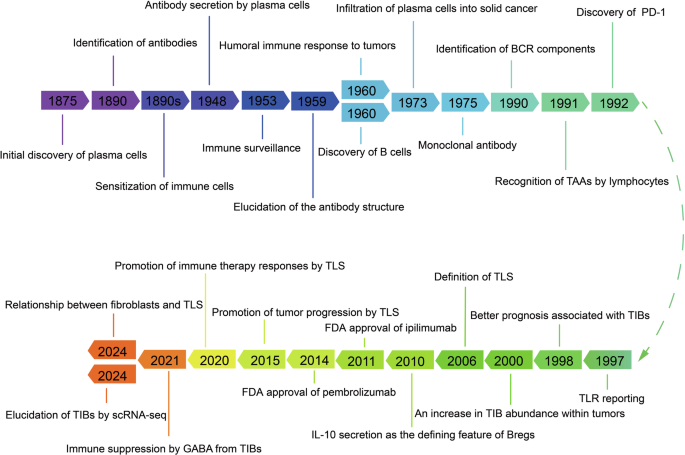
Bejarano, L., Jordāo, M. J. C. & Joyce, J. A. Therapeutic targeting of the tumor microenvironment. Cancer Discov. 11, 933–959 (2021).
Google Scholar
Hinshaw, D. C. & Shevde, L. A. The tumor microenvironment innately modulates cancer progression. Cancer Res 79, 4557–4566 (2019).
Google Scholar
Jia, Q., Wang, A., Yuan, Y., Zhu, B. & Long, H. Heterogeneity of the tumor immune microenvironment and its clinical relevance. Exp. Hematol. Oncol. 11, 24 (2022).
Google Scholar
Ma, J. et al. A blueprint for tumor-infiltrating B cells across human cancers. Science 384, eadj4857 (2024).
Google Scholar
Zheng, L. et al. Pancancer single-cell landscape of tumor-infiltrating T cells. Science 374, abe6474 (2021).
Google Scholar
Cheng, K. et al. Short-term starvation boosts anti-PD-L1 therapy by reshaping tumor-associated macrophages in hepatocellular carcinoma. Hepatology 82, 1414–1431 (2025).
Google Scholar
Hu, X. et al. Landscape of B-cell immunity and related immune evasion in human cancers. Nat. Genet. 51, 560–567 (2019).
Google Scholar
Laumont, C. M., Banville, A. C., Gilardi, M., Hollern, D. P. & Nelson, B. H. Tumor-infiltrating B cells: immunological mechanisms, clinical impact and therapeutic opportunities. Nat. Rev. Cancer 22, 414–430 (2022).
Google Scholar
Wu, X. et al. B cells and tertiary lymphoid structures in tumors: immunity cycle, clinical impact, and therapeutic applications. Theranostics 15, 605–631 (2025).
Google Scholar
Zhao, L. et al. Tertiary lymphoid structures in diseases: immune mechanisms and therapeutic advances. Signal Transduct. Target Ther. 9, 225 (2024).
Google Scholar
Schumacher, T. N. & Thommen, D. S. Tertiary lymphoid structures in cancer. Science 375, eabf9419 (2022).
Google Scholar
Melaiu, O. et al. Mapping B cells and the immune landscape of tertiary lymphoid structures reveals their clinical impact in neuroblastoma. J. Immunother. Cancer 13, e012860 (2025).
Google Scholar
Zhang, E. et al. Roles and mechanisms of tumor-infiltrating B cells in human cancer: a new force in immunotherapy. Biomark. Res. 11, 28 (2023).
Google Scholar
Schwartz, M., Zhang, Y. & Rosenblatt, J. D. B-cell regulation of the anti-tumor response and role in carcinogenesis. J. Immunother. Cancer 4, 40 (2016).
Google Scholar
Cui, C. et al. Neoantigen-driven B-cell and CD4 T follicular helper cell collaboration promotes anti-tumor CD8 T cell responses. Cell 184, 6101–6118.e13 (2021).
Google Scholar
Zhang, B. et al. B-cell-derived GABA elicits IL-10+ macrophages to limit antitumor immunity. Nature 599, 471–476 (2021).
Google Scholar
Germain, C. et al. Presence of B cells in tertiary lymphoid structures is associated with a protective immunity in patients with lung cancer. Am. J. Respir. Crit. Care Med. 189, 832–844 (2014).
Google Scholar
Jones, G. W. & Jones, S. A. Ectopic lymphoid follicles: inducible centers for generating antigen-specific immune responses within tissues. Immunology 147, 141–151 (2016).
Google Scholar
Li, Q. et al. Prognostic value of tertiary lymphoid structure and tumor infiltrating lymphocytes in oral squamous cell carcinoma. Int. J. Oral. Sci. 12, 24 (2020).
Google Scholar
Wang, Y.-Q. et al. Integrated analysis of tertiary lymphoid structures and immune infiltration in ccRCC microenvironment revealed their clinical significances: a multicenter cohort study. J. Immunother. Cancer 12, e008613 (2024).
Google Scholar
Ma, W. et al. Increasing cure rates of solid tumors by immune checkpoint inhibitors. Exp. Hematol. Oncol. 12, 10 (2023).
Google Scholar
Larson, R. C. & Maus, M. V. Recent advances and discoveries in the mechanisms and functions of CAR T cells. Nat. Rev. Cancer 21, 145–161 (2021).
Google Scholar
Biederstädt, A. et al. Genome-wide CRISPR screens identify critical targets to enhance CAR-NK cell antitumor potency. Cancer Cell 43, 2069–2088.e11 (2025).
Google Scholar
Li, N. et al. A new era of cancer immunotherapy: combining revolutionary technologies for enhanced CAR-M therapy. Mol. Cancer 23, 117 (2024).
Google Scholar
Sharonov, G. V., Serebrovskaya, E. O., Yuzhakova, D. V., Britanova, O. V. & Chudakov, D. M. B cells, plasma cells and antibody repertoires in the tumor microenvironment. Nat. Rev. Immunol. 20, 294–307 (2020).
Google Scholar
Ribatti, D. The discovery of plasma cells: An historical note. Immunol. Lett. 188, 64–67 (2017).
Google Scholar
Behring, E. V. Ueber das Zustandekommen der Diphtherie-Immunität und der Tetanus-Immunität bei Thieren. Dtsch. Med. Wochenschr. 49, 1113–1114 (1890).
Behring, E. V. Untersuchungen ueber das Zustandekommen der Diphtherie-Immunität bei Thieren. Dtsch. Med. Wochenschr. 50, 1145–1148 (1890).
Fagraeus, A. The plasma cellular reaction and its relation to the formation of antibodies in vitro. J. Immunol. 58, 1–13 (1948).
Google Scholar
Ribatti, D., Crivellato, E. & Vacca, A. The contribution of Bruce Glick to the definition of the role played by the bursa of Fabricius in the development of the B-cell lineage. Clin. Exp. Immunol. 145, 1–4 (2006).
Google Scholar
Hirschhorn, K., Bach, F., Kolodny, R. L., Firschein, I. L. & Hashem, N. IMMUNE RESPONSE AND MITOSIS OF HUMAN PERIPHERAL BLOOD LYMPHOCYTES IN VITRO. Science 142, 1185–1187 (1963).
Google Scholar
Cerny, J. & Waner, E. B. Specific susceptibility of sensitized (memory) B cells to suppression and antigenic alteration by murine leukemia virus. J. Immunol. 114, 571–580 (1975).
Google Scholar
Blair, P. A. et al. CD19(+)CD24(hi)CD38(hi) B cells exhibit regulatory capacity in healthy individuals but are functionally impaired in systemic Lupus Erythematosus patients. Immunity 32, 129–140 (2010).
Google Scholar
Foley, E. J. Antigenic properties of methylcholanthrene-induced tumors in mice of the strain of origin. Cancer Res 13, 835–837 (1953).
Google Scholar
Snell, G. D., Winn, H. J., Stimpfling, J. H. & Parker, S. J. DEPRESSION BY ANTIBODY OF THE IMMUNE RESPONSE TO HOMOGRAFTS AND ITS ROLE IN IMMUNOLOGICAL ENHANCEMENT. J. Exp. Med. 112, 293–314 (1960).
Google Scholar
Roberts, M. M., Bass, E. M., Wallace, I. W. & Stevenson, A. Local immunoglobulin production in breast cancer. Br. J. Cancer 27, 269–275 (1973).
Google Scholar
Hombach, J., Tsubata, T., Leclercq, L., Stappert, H. & Reth, M. Molecular components of the B-cell antigen receptor complex of the IgM class. Nature 343, 760–762 (1990).
Google Scholar
van der Bruggen, P. et al. A gene encoding an antigen recognized by cytolytic T lymphocytes on a human melanoma. Science 254, 1643–1647 (1991).
Google Scholar
Medzhitov, R., Preston-Hurlburt, P. & Janeway, C. A. A human homolog of the Drosophila Toll protein signals activation of adaptive immunity. Nature 388, 394–397 (1997).
Google Scholar
Qin, Z. et al. B cells inhibit induction of T-cell-dependent tumor immunity. Nat. Med. 4, 627–630 (1998).
Google Scholar
Murta, E. F., de Andrade, J. M., Falcão, R. P. & Bighetti, S. Lymphocyte subpopulations in patients with advanced breast cancer submitted to neoadjuvant chemotherapy. Tumori 86, 403–407 (2000).
Google Scholar
Ammirante, M., Luo, J.-L., Grivennikov, S., Nedospasov, S. & Karin, M. B-cell-derived lymphotoxin promotes castration-resistant prostate cancer. Nature 464, 302–305 (2010).
Google Scholar
Pucci, F. et al. SCS macrophages suppress melanoma by restricting tumor-derived vesicle-B-cell interactions. Science 352, 242–246 (2016).
Google Scholar
Lu, Y. et al. Complement Signals Determine Opposite Effects of B Cells in Chemotherapy-Induced Immunity. Cell 180, 1081–1097.e24 (2020).
Google Scholar
Helmink, B. A. et al. B cells and tertiary lymphoid structures promote immunotherapy response. Nature 577, 549–555 (2020).
Google Scholar
Petitprez, F. et al. B cells are associated with survival and immunotherapy response in sarcoma. Nature 577, 556–560 (2020).
Google Scholar
Cabrita, R. et al. Tertiary lymphoid structures improve immunotherapy and survival in melanoma. Nature 577, 561–565 (2020).
Google Scholar
Biswas, S. et al. IgA transcytosis and antigen recognition govern ovarian cancer immunity. Nature 591, 464–470 (2021).
Google Scholar
Bod, L. et al. B-cell-specific checkpoint molecules that regulate antitumor immunity. Nature 619, 348–356 (2023).
Google Scholar
Yang, Y. et al. Pancancer single-cell dissection reveals phenotypically distinct B-cell subtypes. Cell 187, 4790–4811.e22 (2024).
Google Scholar
Fitzsimons, E. et al. A pancancer single-cell RNA-seq atlas of intratumoral B cells. Cancer Cell 42, 1784–1797.e4 (2024).
Google Scholar
Xiao, F. et al. The emerging roles of B cells in cancer development. Cell. Mol. Immunol. 21, 1180–1182 (2024).
Google Scholar
Aloisi, F. & Pujol-Borrell, R. Lymphoid neogenesis in chronic inflammatory diseases. Nat. Rev. Immunol. 6, 205–217 (2006).
Google Scholar
Finkin, S. et al. Ectopic lymphoid structures function as microniches for tumor progenitor cells in hepatocellular carcinoma. Nat. Immunol. 16, 1235–1244 (2015).
Google Scholar
Joshi, N. S. et al. Regulatory T Cells in Tumor-Associated Tertiary Lymphoid Structures Suppress Anti-tumor T-Cell Responses. Immunity 43, 579–590 (2015).
Google Scholar
Zhang, Y. et al. CCL19-producing fibroblasts promote tertiary lymphoid structure formation enhancing anti-tumor IgG response in colorectal cancer liver metastasis. Cancer cell 42, 1370–1385.e9 (2024).
Google Scholar
Raju, T. N. The Nobel chronicles. 1901: Emil Adolf von Behring (1854-1917). Lancet 352, 75 (1998).
Google Scholar
Rr, P. The hydrolysis of rabbit y-globulin and antibodies with crystalline papain. Biochem. J. 73, 119–126 (1959).
Google Scholar
Edelman, G. M. & Poulik, M. D. Studies on structural units of the gamma-globulins. J. Exp. Med. 113, 861–884 (1961).
Google Scholar
Jerne, N. K. The somatic generation of immune recognition. Eur. J. Immunol. 1, 1–9 (1971).
Google Scholar
Köhler, G. & Milstein, C. Continuous cultures of fused cells secreting antibody of predefined specificity. Nature 256, 495–497 (1975).
Google Scholar
Hozumi, N. & Tonegawa, S. Evidence for somatic rearrangement of immunoglobulin genes coding for variable and constant regions. Proc. Natl. Acad. Sci. USA 73, 3628–3632 (1976).
Google Scholar
Ishida, Y., Agata, Y., Shibahara, K. & Honjo, T. Induced expression of PD-1, a novel member of the immunoglobulin gene superfamily, upon programmed cell death. EMBO J. 11, 3887–3895 (1992).
Google Scholar
Mansh, M. Ipilimumab and cancer immunotherapy: A new hope for advanced stage melanoma. Yale J. Biol. Med. 84, 381–389 (2011).
Google Scholar
Barone, A. et al. FDA Approval Summary: Pembrolizumab for the Treatment of Patients with Unresectable or Metastatic Melanoma. Clin. Cancer Res. 23, 5661–5665 (2017).
Google Scholar
Weisel, N. M. et al. Surface phenotypes of naive and memory B cells in mouse and human tissues. Nat. Immunol. 23, 135–145 (2022).
Google Scholar
Inoue, T., Baba, Y. & Kurosaki, T. BCR signaling in germinal center B-cell selection. Trends Immunol. 45, 693–704 (2024).
Google Scholar
Akkaya, M., Kwak, K. & Pierce, S. K. B-cell memory: Building two walls of protection against pathogens. Nat. Rev. Immunol. 20, 229–238 (2020).
Google Scholar
Trezise, S. & Nutt, S. L. The gene regulatory network controlling plasma cell function. Immunol. Rev. 303, 23–34 (2021).
Google Scholar
Tellier, J. & Nutt, S. L. Plasma cells: The programming of an antibody-secreting machine. Eur. J. Immunol. 49, 30–37 (2019).
Google Scholar
Hegoburu, A., Amer, M., Frizelle, F. & Purcell, R. B cells and tertiary lymphoid structures in cancer therapy response. BJC Rep. 3, 40 (2025).
Google Scholar
Shang, J., Zha, H. & Sun, Y. Phenotypes, Functions, and Clinical Relevance of Regulatory B Cells in Cancer. Front. Immunol. 11, 582657 (2020).
Google Scholar
Visentini, M. et al. Persistence of a large population of exhausted monoclonal B cells in mixed cryoglobuliemia after the eradication of hepatitis C virus infection. J. Clin. Immunol. 32, 729–735 (2012).
Google Scholar
Zhao, X., Zhang, H., Han, Y., Fang, C. & Liu, J. Navigating the immunometabolic heterogeneity of B cells in murine hepatocellular carcinoma at single cell resolution. Int. Immunopharmacol. 120, 110257 (2023).
Google Scholar
Rodríguez-Zhurbenko, N. & Hernández, A. M. The role of B-1 cells in cancer progression and anti-tumor immunity. Front. Immunol. 15, 1363176 (2024).
Google Scholar
Wu, S. Z. et al. A single-cell and spatially resolved atlas of human breast cancers. Nat. Genet. 53, 1334–1347 (2021).
Google Scholar
Hao, D. et al. The Single-Cell Immunogenomic Landscape of B and Plasma Cells in Early-Stage Lung Adenocarcinoma. Cancer Discov. 12, 2626–2645 (2022).
Google Scholar
Chung, M. K. Y. et al. Functions of double-negative B cells in autoimmune diseases, infections, and cancers. EMBO Mol. Med. 15, e17341 (2023).
Google Scholar
Gong, L. et al. The Stromal and Immune Landscape of Nasopharyngeal Carcinoma and Its Implications for Precision Medicine Targeting the Tumor Microenvironment. Front. Oncol. 11, 744889 (2021).
Google Scholar
Xia, J. et al. Single-cell landscape and clinical outcomes of infiltrating B cells in colorectal cancer. Immunology 168, 135–151 (2023).
Google Scholar
Crescioli, S. et al. B-cell profiles, antibody repertoire and reactivity reveal dysregulated responses with autoimmune features in melanoma. Nat. Commun. 14, 3378 (2023).
Google Scholar
Ji, L. et al. scRNA-seq of colorectal cancer shows regional immune atlas with the function of CD20+ B cells. Cancer Lett. 584, 216664 (2024).
Google Scholar
Meylan, M. et al. Tertiary lymphoid structures generate and propagate anti-tumor antibody-producing plasma cells in renal cell cancer. Immunity 55, 527–541.e5 (2022).
Google Scholar
Yolmo, P. et al. Atypical B Cells Promote Cancer Progression and Poor Response to Bacillus Calmette-Guérin in Non-Muscle Invasive Bladder Cancer. Cancer Immunol. Res. 12, 1320–1339 (2024).
Google Scholar
Chen, C., Zhang, Y., Wu, X. & Shen, J. The role of tertiary lymphoid structure and B cells in nasopharyngeal carcinoma: Based on bioinformatics and experimental verification. Transl. Oncol. 41, 101885 (2024).
Google Scholar
Hu, Q. et al. Atlas of breast cancer infiltrated B-lymphocytes revealed by paired single-cell RNA-sequencing and antigen receptor profiling. Nat. Commun. 12, 2186 (2021).
Google Scholar
Zhang, J.-P., Yan, B.-Z., Liu, J. & Wang, W. Action of circulating and infiltrating B cells in the immune microenvironment of colorectal cancer by single-cell sequencing analysis. World J. Gastrointest. Oncol. 16, 2683–2696 (2024).
Google Scholar
Yang, Y. et al. Genomic and the tumor microenvironment heterogeneity in multifocal hepatocellular carcinoma. Hepatology 82, 582–598 (2025).
Google Scholar
Zhao, H., Wang, H., Zhou, Q. & Ren, X. Insights into tertiary lymphoid structures in the solid tumor microenvironment: anti-tumor mechanism, functional regulation, and immunotherapeutic strategies. Cancer Biol. Med. 18, 981–991 (2021).
Google Scholar
Peng, H. et al. Analyzing the associations between tertiary lymphoid structures and postoperative prognosis, along with immunotherapy response in gastric cancer: findings from pooled cohort studies. J. Cancer Res. Clin. Oncol. 150, 153 (2024).
Google Scholar
Garg, K. et al. Tumor-associated B cells in cutaneous primary melanoma and improved clinical outcome. Hum. Pathol. 54, 157–64 (2016).
Google Scholar
Ladányi, A. et al. Prognostic impact of B-cell density in cutaneous melanoma. Cancer Immunol. Immunother. 60, 1729–1738 (2011).
Google Scholar
Patil, N. S. et al. Intratumoral plasma cells predict outcomes to PD-L1 blockade in non-small cell lung cancer. Cancer Cell 40, 289–300.e4 (2022).
Google Scholar
Yang, M. et al. CXCL13 shapes immunoactive tumor microenvironment and enhances the efficacy of PD-1 checkpoint blockade in high-grade serous ovarian cancer. J. Immunother. Cancer 9, e001136 (2021).
Google Scholar
Zirakzadeh, A. A. et al. Tumor-associated B cells in urothelial urinary bladder cancer. Scand. J. Immunol. 91, e12830 (2020).
Google Scholar
Zhang, S. et al. Unraveling pancreatic ductal adenocarcinoma immune prognostic signature through a naive B-cell gene set. Cancer Lett. 594, 216981 (2024).
Google Scholar
Nelson, B. H. et al. Immunological and molecular features of the tumor microenvironment of long-term survivors of ovarian cancer. J. Clin. Invest. 134, e179501 (2024).
Google Scholar
Ruffin, A. T. et al. B-cell signatures and tertiary lymphoid structures contribute to outcome in head and neck squamous cell carcinoma. Nat. Commun. 12, 3349 (2021).
Google Scholar
Wieland, A. et al. Defining HPV-specific B-cell responses in patients with head and neck cancer. Nature 597, 274–278 (2021).
Google Scholar
Nielsen, J. S. et al. CD20+ tumor-infiltrating lymphocytes have an atypical CD27- memory phenotype and together with CD8+ T cells promote favorable prognosis in ovarian cancer. Clin. Cancer Res. 18, 3281–3292 (2012).
Google Scholar
Su, C. et al. CXCR4 Expressed by Tumor-Infiltrating B Cells in Gastric Cancer Related to Survival in the Tumor Microenvironment: An Analysis Combining Single-Cell RNA Sequencing with Bulk RNA Sequencing. Int. J. Mol. Sci. 24, 12890 (2023).
Google Scholar
Wang, R. et al. Evolution of immune and stromal cell states and ecotypes during gastric adenocarcinoma progression. Cancer Cell 41, 1407–1426.e9 (2023).
Google Scholar
Miyatani, K. et al. A high number of IgG4-positive cells in gastric cancer tissue is associated with tumor progression and poor prognosis. Virchows Arch. 468, 549–557 (2016).
Google Scholar
Kumar, V. et al. Single-Cell Atlas of Lineage States, Tumor Microenvironment, and Subtype-Specific Expression Programs in Gastric Cancer. Cancer Discov. 12, 670–691 (2022).
Google Scholar
Fristedt, R. et al. Prognostic impact of tumor-associated B cells and plasma cells in esophageal and gastric adenocarcinoma. J. Gastrointest. Oncol. 7, 848–859 (2016).
Google Scholar
Ni, Z. et al. Tumor-infiltrating B-cell is associated with the control of progression of gastric cancer. Immunol. Res. 69, 43–52 (2021).
Google Scholar
Lin, Z. et al. Transcriptomic analysis reveals immune infiltration status and potential biomarkers of canine colorectal cancer. Vet. Immunol. Immunopathol. 262, 110622 (2023).
Google Scholar
Karjalainen, H., Sirniö, P., Tuomisto, A., Mäkinen, M. J. & Väyrynen, J. P. A prognostic score based on B-cell and plasma cell densities compared to T-cell densities in colorectal cancer. Int. J. Colorectal Dis. 38, 47 (2023).
Google Scholar
Wang, C. et al. Integrating scRNA-seq and Visium HD for the analysis of the tumor microenvironment in the progression of colorectal cancer. Int. Immunopharmacol. 145, 113752 (2025).
Google Scholar
Centuori, S. M. et al. Double-negative (CD27-IgD-) B cells are expanded in NSCLC and inversely correlate with affinity-matured B-cell populations. J. Transl. Med. 16, 30 (2018).
Google Scholar
Zhong, F. et al. Infiltrating B-cell subtypes and associated hub genes in nasopharyngeal carcinoma identified from integrated single-cell, bulk RNA-sequencing, and immunohistochemical data. Hereditas 162, 48 (2025).
Google Scholar
Ruffin, A. T. et al. Dysfunctional CD11c-CD21- extrafollicular memory B cells are enriched in the periphery and tumors of patients with cancer. Sci. Transl. Med. 17, eadh1315 (2025).
Google Scholar
J Gunderson, A. et al. Germinal center reactions in tertiary lymphoid structures associate with neoantigen burden, humoral immunity and long-term survivorship in pancreatic cancer. Oncoimmunology 10, 1900635 (2021).
Google Scholar
Gui, M. et al. Integrative single-cell transcriptomic analyses reveal the cellular ontological and functional heterogeneities of primary and metastatic liver tumors. J. Transl. Med. 22, 206 (2024).
Google Scholar
Asashima, H., Akao, S. & Matsumoto, I. Emerging roles of checkpoint molecules on B cells. Immunol. Med. 48, 171–182 (2025).
Google Scholar
Jung, Y. J. et al. Effect of IL-10-producing B cells in peripheral blood and tumor tissue on gastric cancer. Cell. Commun. Signal. 21, 320 (2023).
Google Scholar
Vogrig, A. et al. Different genetic signatures of small-cell lung cancer characterize anti-GABAB R and anti-Hu paraneoplastic neurological syndromes. Ann. Neurol. 94, 1102–1115 (2023).
Google Scholar
Xander, P. et al. Crosstalk between B16 melanoma cells and B-1 lymphocytes induces global changes in tumor cell gene expression. Immunobiology 218, 1293–1303 (2013).
Google Scholar
Marques, P. et al. The role of the tumor microenvironment in the angiogenesis of pituitary tumors. Endocrine 70, 593–606 (2020).
Google Scholar
Deng, Y. et al. Comprehensive single-cell atlas of colorectal neuroendocrine tumors with liver metastases: unraveling tumor microenvironment heterogeneity between primary lesions and metastases. Mol. Cancer 24, 28 (2025).
Google Scholar
Olbrecht, S. et al. High-grade serous tubo-ovarian cancer refined with single-cell RNA sequencing: specific cell subtypes influence survival and determine molecular subtype classification. Genome Med. 13, 111 (2021).
Google Scholar
He, M. et al. Intratumoral tertiary lymphoid structure (TLS) maturation is influenced by draining lymph nodes of lung cancer. J. Immunother. Cancer 11, e005539 (2023).
Google Scholar
Ou, Z. et al. Single-nucleus RNA sequencing and spatial transcriptomics reveal the immunological microenvironment of cervical squamous cell carcinoma. Adv. Sci. (Weinh.) 9, e2203040 (2022).
Google Scholar
Harris, R. J. et al. Enriched circulating and tumor-resident TGF-β+ regulatory B cells in patients with melanoma promote FOXP3+ Tregs. Oncoimmunology 11, 2104426 (2022).
Google Scholar
Chen, Y. P. et al. Single-cell transcriptomics reveals regulators underlying immune cell diversity and immune subtypes associated with prognosis in nasopharyngeal carcinoma. Cell Res. 30, 1024–1042 (2020).
Google Scholar
Yin, X. et al. Tobacco exposure primes the secretion of CCL21 positively associated with tertiary lymphoid structure and response to immunotherapy. J. Immunother. Cancer 11, e006939 (2023).
Google Scholar
Wouters, M. C. A. & Nelson, B. H. Prognostic significance of tumor-infiltrating B cells and plasma cells in human cancer. Clin. Cancer Res. 24, 6125–6135 (2018).
Google Scholar
Wu, B., Zhang, B., Li, B., Wu, H. & Jiang, M. Cold and hot tumors: From molecular mechanisms to targeted therapy. Signal Transduct. Target Ther. 9, 274 (2024).
Google Scholar
Kurebayashi, Y. et al. Landscape of immune microenvironment in hepatocellular carcinoma and its additional impact on histological and molecular classification. Hepatology 68, 1025–1041 (2018).
Google Scholar
Liu, Z. et al. Tumor suppressor gene mutations correlate with prognosis and immunotherapy benefit in hepatocellular carcinoma. Int. Immunopharmacol. 101, 108340 (2021).
Google Scholar
Shi, J. Y. et al. Margin-infiltrating CD20(+) B cells display an atypical memory phenotype and correlate with favorable prognosis in hepatocellular carcinoma. Clin. Cancer Res. 19, 5994–6005 (2013).
Google Scholar
Li, X. et al. C-C chemokine hepatocellular carcinoma motif ligand 5-deficiency promotes hepatocellular carcinoma progression by affecting B-cell recruitment. J. Dig. Dis. 22, 433–441 (2021).
Google Scholar
Zou, J. et al. The role of tumor-infiltrating B cells in the tumor microenvironment of hepatocellular carcinoma and its prognostic value: A bioinformatics analysis. J. Gastrointest. Oncol. 13, 1959–1966 (2022).
Google Scholar
Chen, Z. et al. PNOC expressed by B cells in cholangiocarcinoma was survival related and LAIR2 Could Be a T-cell exhaustion biomarker in tumor microenvironment: Characterization of immune microenvironment combining single-cell and bulk sequencing technology. Front. Immunol. 12, 647209 (2021).
Google Scholar
Mahmoud, S. M. A. et al. The prognostic significance of B lymphocytes in invasive carcinoma of the breast. Breast Cancer Res. Treat. 132, 545–553 (2012).
Google Scholar
Zhu, S. et al. CD21lo/medCD27+ proinflammatory B cells are enriched in breast cancer patients and promote antitumor T-cell responses. Exp. Cell Res. 361, 149–154 (2017).
Google Scholar
Xu, T. et al. Prognostic significance of circulating CD19+ B lymphocytes in EBV-associated nasopharyngeal carcinoma. Med. Oncol. 31, 198 (2014).
Google Scholar
Wei, E. et al. Integration of scRNA-Seq and TCGA RNA-Seq to Analyze the Heterogeneity of HPV+ and HPV- Cervical Cancer Immune Cells and Establish Molecular Risk Models. Front. Oncol. 12, 860900 (2022).
Google Scholar
Yang, Z. et al. Diagnostic and prognostic value of tumor-infiltrating B cells in lymph node metastases of papillary thyroid carcinoma. Virchows Arch. 479, 947–959 (2021).
Google Scholar
Jin, Y. et al. CXCR5+CD8+ T cells could induce the death of tumor cells in HBV-related hepatocellular carcinoma. Int. Immunopharmacol. 53, 42–48 (2017).
Google Scholar
Jiang, H. et al. CXCR5+ CD8+ T cells indirectly offer B-cell help and are inversely correlated with viral load in chronic hepatitis B infection. DNA Cell Biol. 36, 321–327 (2017).
Google Scholar
Griss, J. et al. B cells sustain inflammation and predict response to immune checkpoint blockade in human melanoma. Nat. Commun. 10, 4186 (2019).
Google Scholar
Arabpour, M., Rasolmali, R., Talei, A.-R., Mehdipour, F. & Ghaderi, A. Granzyme B production by activated B cells derived from breast cancer-draining lymph nodes. Mol. Immunol. 114, 172–178 (2019).
Google Scholar
Tao, H. et al. Antitumor effector B cells directly kill tumor cells via the Fas/FasL pathway and are regulated by IL-10. Eur. J. Immunol. 45, 999–1009 (2015).
Google Scholar
Rodrigues-Santos, P. et al. Immune monitoring of trabectedin therapy in refractory soft tissue sarcoma patients – the IMMUNYON study. Front. Immunol. 16, 1516793 (2025).
Google Scholar
Shibad, V. et al. L2pB1 cells contribute to tumor growth inhibition. Front. Immunol. 12, 722451 (2021).
Google Scholar
Ebelt, N. D., Zuniga, E., Johnson, B. L., Diamond, D. J. & Manuel, E. R. 5-azacytidine potentiates anti-tumor immunity in a model of pancreatic ductal adenocarcinoma. Front. Immunol. 11, 538 (2020).
Google Scholar
Garaud, S. et al. Antigen specificity and clinical significance of IgG and IgA autoantibodies produced in situ by tumor-infiltrating B cells in breast cancer. Front. Immunol. 9, 2660 (2018).
Google Scholar
Liu, Y. & Zheng, P. Preserving the CTLA-4 checkpoint for safer and more effective cancer immunotherapy. Trends Pharmacol. Sci. 41, 4–12 (2020).
Google Scholar
Bareke, H. et al. Autoimmune responses in oncology: Causes and significance. Int. J. Mol. Sci. 22, 8030 (2021).
Google Scholar
Sullivan, K. M. et al. Blockade of interleukin 10 potentiates antitumour immune function in human colorectal cancer liver metastases. Gut 72, 325–337 (2023).
Google Scholar
Mazor, R. D. et al. Tumor-reactive antibodies evolve from nonbinding and autoreactive precursors. Cell 185, 1208–1222.e21 (2022).
Google Scholar
Banville, A. C. & Nelson, B. H. Breaching B-cell tolerance in the tumor microenvironment. Cancer Cell 40, 356–358 (2022).
Google Scholar
Liu, W. R. & Fisher, D. E. Epitope spreading and the efficacy of immune checkpoint inhibition in cancer. Int. J. Oncol. Res. 4, 029 (2021).
Google Scholar
Wennhold, K. et al. CD86+ antigen-presenting B cells are increased in cancer, localize in tertiary lymphoid structures, and induce specific T-cell responses. Cancer Immunol. Res. 9, 1098–1108 (2021).
Google Scholar
Thelen, M. et al. Immune responses against shared antigens are common in esophago-gastric cancer and can be enhanced using CD40-activated B cells. J. Immunother. Cancer 10, e005200 (2022).
Google Scholar
Vanderlugt, C. L. & Miller, S. D. Epitope spreading in immune-mediated diseases: implications for immunotherapy. Nat. Rev. Immunol. 2, 85–95 (2002).
Google Scholar
Seavey, M. M., Maciag, P. C., Al-Rawi, N., Sewell, D. & Paterson, Y. An anti-vascular endothelial growth factor receptor 2/fetal liver kinase-1 Listeria monocytogenes anti-angiogenesis cancer vaccine for the treatment of primary and metastatic Her-2/neu+ breast tumors in a mouse model. J. Immunol. 182, 5537–5546 (2009).
Google Scholar
Wang, M. et al. Tertiary lymphoid structures as local perpetuators of organ-specific immune injury: implication for lupus nephritis. Front. Immunol. 14, 1204777 (2023).
Google Scholar
Pérez-Hernández, J. et al. Autoantibody diversity is augmented in women with breast cancer and is related to the stage of the disease. Curr. Oncol. 30, 8793–8804 (2023).
Google Scholar
Milchram, L. et al. Antibody profiling and in silico functional analysis of differentially reactive antibody signatures of glioblastomas and meningiomas. Int. J. Mol. Sci. 24, 1411 (2023).
Google Scholar
Li, T. et al. hccTAAb Atlas: An integrated knowledge database for tumor-associated autoantibodies in hepatocellular carcinoma. J. Proteome Res. 23, 728–737 (2024).
Google Scholar
Hu, K. et al. Clinical application of serum seven tumor-associated autoantibodies in patients with pulmonary nodules. Heliyon 10, e30576 (2024).
Google Scholar
Zhuang, L. et al. Circulating tumor-associated autoantibodies as novel diagnostic biomarkers in pancreatic adenocarcinoma. Int. J. Cancer 152, 1013–1024 (2023).
Google Scholar
Xu, Y. et al. Diagnostic value of tumor-associated autoantibodies panel in combination with traditional tumor markers for lung cancer. Front. Oncol. 13, 1022331 (2023).
Google Scholar
Corzana, F. et al. Detection of tumor-associated autoantibodies in the sera of pancreatic cancer patients using engineered muc1 glycopeptide nanoparticle probes. Angew. Chem. Int. Ed. Engl. 63, e202407131 (2024).
Google Scholar
Vylegzhanina, A. V. et al. Cancer relevance of circulating antibodies against LINE-1 antigens in humans. Cancer Res. Commun. 3, 2256–2267 (2023).
Google Scholar
Yang, Q. et al. Human Proteome Microarray identifies autoantibodies to tumor-associated antigens as serological biomarkers for the diagnosis of hepatocellular carcinoma. Mol. Oncol. 17, 887–900 (2023).
Google Scholar
Sun, G. et al. Using proteome microarray and gene expression omnibus database to screen tumor-associated antigens to construct the optimal diagnostic model of esophageal squamous cell carcinoma. Clin. Oncol. (R. Coll. Radiol.) 35, e582–e592 (2023).
Google Scholar
Zhao, J. et al. The development of a tumor-associated autoantibodies panel to predict clinical outcomes for immune checkpoint inhibitor-based treatment in patients with advanced non-small cell lung cancer. Thorac. Cancer 14, 497–505 (2023).
Google Scholar
Ma, H., Wu, T., Zhang, Q. & Ding, Q. The role of seven tumor-associated autoantibodies in the diagnosis, staging and treatment guidance of lung cancer. BMC Pulm. Med. 24, 250 (2024).
Google Scholar
Ren, F. et al. Clinical value of seven autoantibodies against tumor-associated antigens and tumor markers in lung cancer patients: A retrospective analysis from a single institution. Technol. Cancer Res. Treat. 23, 15330338241293490 (2024).
Google Scholar
Xiao, K. et al. The value of serum tumor-associated autoantibodies in screening and diagnosis of gastric cancer. Clin. Chim. Acta 569, 120167 (2025).
Google Scholar
Zhu, Q. et al. Identification and evaluation of novel serum autoantibody biomarkers for early diagnosis of gastric cancer and precancerous lesion. J. Cancer Res. Clin. Oncol. 149, 8369–8378 (2023).
Google Scholar
Wang, Y. et al. Autoantibody signatures discovered by HuProt protein microarray to enhance the diagnosis of lung cancer. Clin. Immunol. 246, 109206 (2023).
Google Scholar
Qiu, C. et al. Autoantibodies to PAX5, PTCH1, and GNA11 as serological biomarkers in the detection of hepatocellular carcinoma in hispanic Americans. Int. J. Mol. Sci. 24, 3721 (2023).
Google Scholar
Hao, W. et al. Screening of cancer-specific biomarkers for Hepatitis B-related hepatocellular carcinoma based on a proteome microarray. Mol. Cell. Proteom. 23, 100872 (2024).
Google Scholar
Li, Q. et al. Anti-BIRC5 autoantibody serves as a valuable biomarker for diagnosing AFP-negative hepatocellular carcinoma. PeerJ 12, e17494 (2024).
Google Scholar
Shen, Y. et al. Combination of an autoantibody panel and alpha-fetoprotein for early detection of hepatitis B virus-associated hepatocellular carcinoma. Cancer Prev. Res. (Phila.) 17, 227–235 (2024).
Google Scholar
Abdulla, R., Devasia Puthenpurackal, J., Pinto, S. M., Rekha, P. D. & Subbannayya, Y. Serum autoantibody profiling of oral squamous cell carcinoma patients reveals NUBP2 as a potential diagnostic marker. Front. Oncol. 13, 1167691 (2023).
Google Scholar
Liu, Z. et al. Early detection of lung cancer in a real-world cohort via tumor-associated immune autoantibody and imaging combination. Front. Oncol. 13, 1166894 (2023).
Google Scholar
Chen, Z. et al. Identification of novel serum autoantibody biomarkers for early esophageal squamous cell carcinoma and high-grade intraepithelial neoplasia detection. Front. Oncol. 13, 1161489 (2023).
Google Scholar
Tabaei, S. et al. Investigation of new autoantibodies in urothelial bladder cancer for biomarker discovery using immunoproteomics. Discov. Oncol. 16, 436 (2025).
Google Scholar
Zhang, J. et al. Proteome microarray identifies autoantibody biomarkers for diagnosis of hepatitis B-related hepatocellular carcinoma. Clin. Chim. Acta 554, 117727 (2024).
Google Scholar
Wang, J., Liu, S. & Zhang, X. Investigation of circulating natural autoantibodies against ANXA1 and MYC as potential biomarkers in hepatocellular carcinoma. Adv. Med. Sci. 70, 136–140 (2025).
Google Scholar
Zhou, S. et al. Diagnostic value of multitumor-associated autoantibody expression in esophageal squamous cell carcinoma and correlation of clinical features. Front. Immunol. 15, 1518431 (2024).
Google Scholar
Ye, Y., Huang, Y. & Pan, J. Exploration of the diagnostic and prognostic roles of decreased autoantibodies in lung cancer. Front. Immunol. 16, 1538071 (2025).
Google Scholar
Maimela, P. W. M. et al. Humoral immunoprofiling identifies novel biomarkers and an immune suppressive autoantibody phenotype at the site of disease in pancreatic ductal adenocarcinoma. Front. Oncol. 14, 1330419 (2024).
Google Scholar
Chen, G., Guo, P., Zhao, H., Zhao, D. & Yang, D. The clinical value of combined detection of seven lung cancer-related autoantibodies in assisting the diagnosis of non-small cell lung cancer. Biomark. Med. 18, 917–925 (2024).
Google Scholar
Zhang, P.-F. et al. Autoantibody repertoire profiling in tissue and blood identifies colorectal cancer-specific biomarkers. Cancer Sci. 115, 83–93 (2024).
Google Scholar
Guy, T. V., Terry, A. M., McGuire, H. M., Shklovskaya, E. & Fazekas de St Groth, B. MHCII restriction demonstrates B cells have very limited capacity to activate tumor-specific CD4+ T cells in vivo. Oncoimmunology 13, 2290799 (2024).
Google Scholar
Sun, M.-Z., Cui, Y., Guo, C., Zhao, B. & Liu, S. rAdinbitor, a disintegrin from Agkistrodon halys brevicaudus stejneger, inhibits tumorigenicity of hepatocarcinoma via enhanced anti-angiogenesis and immunocompetence. Biochimie 116, 34–42 (2015).
Google Scholar
Yang, B. et al. An Asia-specific variant of human IgG1 represses colorectal tumorigenesis by shaping the tumor microenvironment. J. Clin. Invest. 132, e153454 (2022).
Google Scholar
Dyugay, I. A. et al. Accounting for B-cell Behavior and Sampling Bias Predicts Anti-PD-L1 Response in Bladder Cancer. Cancer Immunol. Res. 10, 343–353 (2022).
Google Scholar
Nie, Y. et al. Tertiary lymphoid structures: Associated multiple immune cells and analysis their formation in hepatocellular carcinoma. FASEB J. 36, e22586 (2022).
Google Scholar
Kroeger, D. R., Milne, K. & Nelson, B. H. Tumor-infiltrating plasma cells are associated with tertiary lymphoid structures, cytolytic T-cell responses, and superior prognosis in ovarian cancer. Clin. Cancer Res. 22, 3005–3015 (2016).
Google Scholar
Cipponi, A. et al. Neogenesis of lymphoid structures and antibody responses occur in human melanoma metastases. Cancer Res 72, 3997–4007 (2012).
Google Scholar
Kurebayashi, Y. et al. Spatial Dynamics of T- and B-Cell Responses Predicts Clinical Outcome of Resectable and Unresectable Hepatocellular Carcinoma. Clin. Cancer Res. 30, 5666–5680 (2024).
Google Scholar
Ma, J., Deng, Y., Zhang, M. & Zhang, Q. Spatial tertiary lymphoid structures imply response to anti-PD-1 plus anlotinib in advanced non-small cell lung cancer. Immunology 173, 536–551 (2024).
Google Scholar
Li, Y.-Y. et al. B cells and tertiary lymphoid structures are associated with survival in papillary thyroid cancer. J. Endocrinol. Invest. 46, 2247–2256 (2023).
Google Scholar
Liu, R. et al. MicroRNAs 15A and 16-1 activate signaling pathways that mediate chemotaxis of immune regulatory B cells to colorectal tumors. Gastroenterology 154, 637–651.e7 (2018).
Google Scholar
Wang, Z. et al. Leucine-tRNA-synthase-2-expressing B cells contribute to colorectal cancer immunoevasion. Immunity 55, 1067–1081.e8 (2022).
Google Scholar
Zhang, Z. et al. Targeting Erbin-mitochondria axis in platelets/megakaryocytes promotes B-cell-mediated antitumor immunity. Cell Metab. 36, 541–556.e9 (2024).
Google Scholar
Bahabayi, A. et al. Expression of GPR56 reflects a hypoactivated state of circulating B cells and is downregulated in B-cell subsets in patients with early-stage lung adenocarcinoma. Immunology 173, 172–184 (2024).
Google Scholar
Lv, Z. et al. BAFF overexpression in triple-negative breast cancer promotes tumor growth by inducing IL-10-secreting regulatory B cells that suppress anti-tumor T-cell responses. Breast Cancer Res. Treat. 209, 405–418 (2025).
Google Scholar
Somasundaram, R. et al. Tumor-associated B cells induce tumor heterogeneity and therapy resistance. Nat. Commun. 8, 607 (2017).
Google Scholar
Belderbos, R. A. et al. Atypical B cells (CD21-CD27-IgD-) correlate with lack of response to checkpoint inhibitor therapy in NSCLC. Eur. J. Cancer 196, 113428 (2024).
Google Scholar
Mauri, C. & Menon, M. The expanding family of regulatory B cells. Int. Immunol. 27, 479–486 (2015).
Google Scholar
Kessel, A. et al. Human CD19(+)CD25(high) B regulatory cells suppress proliferation of CD4(+) T cells and enhance Foxp3 and CTLA-4 expression in T-regulatory cells. Autoimmun. Rev. 11, 670–677 (2012).
Google Scholar
Glass, M. C. et al. Human IL-10-producing B cells have diverse states that are induced from multiple B-cell subsets. Cell Rep. 39, 110728 (2022).
Google Scholar
Wu, J. et al. Aberrant alteration of peripheral B lymphocyte subsets in hepatocellular carcinoma patients. Int. J. Med. Sci. 20, 267–277 (2023).
Google Scholar
Ouyang, F.-Z. et al. Dendritic cell-elicited B-cell activation fosters immune privilege via IL-10 signals in hepatocellular carcinoma. Nat. Commun. 7, 13453 (2016).
Google Scholar
Schioppa, T. et al. B regulatory cells and the tumor-promoting actions of TNF-α during squamous carcinogenesis. Proc. Natl. Acad. Sci. USA 108, 10662–10667 (2011).
Google Scholar
Mao, Y. et al. Circulating exosomes from esophageal squamous cell carcinoma mediate the generation of B10 and PD-1high Breg cells. Cancer Sci. 110, 2700–2710 (2019).
Google Scholar
Ye, L. et al. Tumor-derived exosomal HMGB1 fosters hepatocellular carcinoma immune evasion by promoting TIM-1+ regulatory B-cell expansion. J. Immunother. Cancer 6, 145 (2018).
Google Scholar
Xiao, X. et al. PD-1hi identifies a novel regulatory B-cell population in human hepatoma that promotes disease progression. Cancer Discov. 6, 546–559 (2016).
Google Scholar
Shalapour, S. et al. Inflammation-induced IgA+ cells dismantle anti-liver cancer immunity. Nature 551, 340–345 (2017).
Google Scholar
Zhou, X., Su, Y.-X., Lao, X.-M., Liang, Y.-J. & Liao, G.-Q. CD19(+)IL-10(+) regulatory B cells affect survival of tongue squamous cell carcinoma patients and induce resting CD4(+) T cells to CD4(+)Foxp3(+) regulatory T cells. Oral. Oncol. 53, 27–35 (2016).
Google Scholar
Zhou, J. et al. Investigating the impact of regulatory B cells and regulatory B-cell-related genes on bladder cancer progression and immunotherapeutic sensitivity. J. Exp. Clin. Cancer Res. 43, 101 (2024).
Google Scholar
Wu, H. et al. PD-L1+ regulatory B cells act as a T-cell suppressor in a PD-L1-dependent manner in melanoma patients with bone metastasis. Mol. Immunol. 119, 83–91 (2020).
Google Scholar
Zou, Y. et al. Correlation of neuroendocrine differentiation with a distinctively suppressive immune microenvironment in gastric cancer. Neuroendocrinology 114, 192–206 (2024).
Google Scholar
Wei, X. et al. Association of tumor cell metabolic subtype and immune response with the clinical course of hepatocellular carcinoma. Oncologist 28, e1031–e1042 (2023).
Google Scholar
Gu, Y. et al. Tumor-educated B cells selectively promote breast cancer lymph node metastasis by HSPA4-targeting IgG. Nat. Med. 25, 312–322 (2019).
Google Scholar
Kisielow, M., Kisielow, J., Capoferri-Sollami, G. & Karjalainen, K. Expression of lymphocyte activation gene 3 (LAG-3) on B cells is induced by T cells. Eur. J. Immunol. 35, 2081–2088 (2005).
Google Scholar
Lee, W. et al. Neutrophil extracellular traps promote premetastatic niche formation in the omentum by expanding innate-like B cells that express IL-10. Cancer Cell 43, 69–85.e11 (2025).
Google Scholar
Jendrek, S. T. et al. Anti-GP2 IgA autoantibodies are associated with poor survival and cholangiocarcinoma in primary sclerosing cholangitis. Gut 66, 137–144 (2017).
Google Scholar
Chen, Z. et al. Cross-talk between myeloid and B cells shapes the distinct microenvironments of primary and secondary liver cancer. Cancer Res 83, 3544–3561 (2023).
Google Scholar
Karagiannis, P. et al. IgG4 subclass antibodies impair antitumor immunity in melanoma. J. Clin. Invest. 123, 1457–1474 (2013).
Google Scholar
Suo, Y. et al. Fc fragment of IgG binding protein is correlated with immune infiltration levels in hepatocellular carcinoma. Biomol. Biomed. 23, 605–615 (2023).
Google Scholar
Gao, J. et al. Infiltrating plasma cells maintain glioblastoma stem cells through IgG-Tumor binding. Cancer Cell 43, 122–143.e8 (2025).
Google Scholar
Huang, X. et al. A Self-Propagating c-Met-SOX2 Axis Drives Cancer-Derived IgG Signaling That Promotes Lung Cancer Cell Stemness. Cancer Res 83, 1866–1882 (2023).
Google Scholar
Qin, C. et al. Cancer-driven IgG promotes the development of prostate cancer although the SOX2-CIgG pathway. Prostate 80, 1134–1144 (2020).
Google Scholar
Lustig, M. et al. Disruption of the sialic acid/Siglec-9 axis improves antibody-mediated neutrophil cytotoxicity toward tumor cells. Front. Immunol. 14, 1178817 (2023).
Google Scholar
Wu, R.-Q. et al. Immune checkpoint therapy-elicited sialylation of IgG antibodies impairs antitumorigenic type I interferon responses in hepatocellular carcinoma. Immunity 56, 180–192.e11 (2023).
Google Scholar
Wang, Z. et al. Cancer-derived sialylated IgG promotes tumor immune escape by binding to Siglecs on effector T cells. Cell. Mol. Immunol. 17, 1148–1162 (2020).
Google Scholar
Fan, T. et al. Sialylated IgG in epithelial cancers inhibits antitumor function of T cells via Siglec-7. Cancer Sci. 114, 370–383 (2023).
Google Scholar
Komaromy, A., Reider, B., Jarvas, G. & Guttman, A. Glycoprotein biomarkers and analysis in chronic obstructive pulmonary disease and lung cancer with special focus on serum immunoglobulin G. Clin. Chim. Acta 506, 204–213 (2020).
Google Scholar
Jia, W. et al. Tertiary Lymphatic Structures in Primary Hepatic Carcinoma: Controversy Cannot Overshadow Hope. Front. Immunol. 13, 870458 (2022).
Google Scholar
Zhang, T. et al. Peritumor tertiary lymphoid structures are associated with infiltrating neutrophils and inferior prognosis in hepatocellular carcinoma. Cancer Med 12, 3068–3078 (2023).
Google Scholar
Xin, S., Wen, S., He, P., Zhao, Y. & Zhao, H. Density of tertiary lymphoid structures and their correlation with prognosis in non-small cell lung cancer. Front. Immunol. 15, 1423775 (2024).
Google Scholar
Liu, X. et al. Distinct tertiary lymphoid structure associations and their prognostic relevance in HER2 positive and negative breast cancers. Oncologist 22, 1316–1324 (2017).
Google Scholar
Groen-van Schooten, T. S. et al. Mapping the complexity and diversity of tertiary lymphoid structures in primary and peritoneal metastatic gastric cancer. J. Immunother. Cancer 12, e009243 (2024).
Google Scholar
Gunnarsdottir, F. B. et al. Breast cancer associated CD169+ macrophages possess broad immunosuppressive functions but enhance antibody secretion by activated B cells. Front. Immunol. 14, 1180209 (2023).
Google Scholar
Li, H. et al. Mature tertiary lymphoid structures evoke intratumoral T and B-cell responses via progenitor exhausted CD4+ T cells in head and neck cancer. Nat. Commun. 16, 4228 (2025).
Google Scholar
Tanaka, S. & Baba, Y. B-cell receptor signaling. Adv. Exp. Med. Biol. 1254, 23–36 (2020).
Google Scholar
Saleh, R. O. et al. Exploring the detailed role of interleukins in cancer: A comprehensive review of literature. Pathol. Res. Pract. 257, 155284 (2024).
Google Scholar
Liu, W. et al. An immune cell map of human lung adenocarcinoma development reveals an anti-tumoral role of the Tfh-dependent tertiary lymphoid structure. Cell Rep. Med. 5, 101448 (2024).
Google Scholar
Playoust, E., Remark, R., Vivier, E. & Milpied, P. Germinal center-dependent and -independent immune responses of tumor-infiltrating B cells in human cancers. Cell. Mol. Immunol. 20, 1040–1050 (2023).
Google Scholar
Liu, Y. et al. Immunomodulatory Roles of IL-15 in Immune Cells and its Potential for Cancer Immunotherapy. Anticancer Agents Med. Chem. 24, 1457–1466 (2024).
Google Scholar
Elsner, R. A., Smita, S. & Shlomchik, M. J. IL-12 induces a B-cell-intrinsic IL-12/IFNγ feed-forward loop promoting extrafollicular B-cell responses. Nat. Immunol. 25, 1283–1295 (2024).
Google Scholar
McGettigan, S. E. et al. Secreted IgM modulates IL-10 expression in B cells. Nat. Commun. 15, 324 (2024).
Google Scholar
Barnas, J. L. et al. B-cell activation and plasma cell differentiation are promoted by IFN-λ in systemic lupus erythematosus. J. Immunol. 207, 2660–2672 (2021).
Google Scholar
Frede, A. et al. B-cell expansion hinders the stroma-epithelium regenerative cross talk during mucosal healing. Immunity 55, 2336–2351.e12 (2022).
Google Scholar
Gong, L. et al. Comprehensive single-cell sequencing reveals the stromal dynamics and tumor-specific characteristics in the microenvironment of nasopharyngeal carcinoma. Nat. Commun. 12, 1540 (2021).
Google Scholar
Li, T. et al. Integrated single-cell transcriptome and TCR profiles of hepatocellular carcinoma highlight the convergence on interferon signaling during immunotherapy. J. Immunother. Cancer 12, e010534 (2024).
Google Scholar
Song, N. et al. Advance in the role of chemokines/chemokine receptors in carcinogenesis: Focus on pancreatic cancer. Eur. J. Pharmacol. 967, 176357 (2024).
Google Scholar
Liu, Z. et al. Increased PRP19 in Hepatocyte Impedes B-Cell Function to Promote Hepatocarcinogenesis. Adv. Sci. (Weinh.) 11, e2407517 (2024).
Google Scholar
Blenman, K. R. M. et al. Predictive markers of response to neoadjuvant durvalumab with nab-paclitaxel and dose-dense doxorubicin/cyclophosphamide in basal-like triple-negative breast cancer. Clin. Cancer Res. 28, 2587–2597 (2022).
Google Scholar
Yuan, H. et al. Single-cell sequencing reveals the heterogeneity of B cells and tertiary lymphoid structures in muscle-invasive bladder cancer. J. Transl. Med. 22, 48 (2024).
Google Scholar
Liu, Y. et al. CXCL12 and CD3E as indicators for tumor microenvironment modulation in bladder cancer and their correlations with immune infiltration and molecular subtypes. Front. Oncol. 11, 636870 (2021).
Google Scholar
Cai, X. et al. Reanalysis of single cell and spatial transcriptomics data reveals B-cell landscape in gastric cancer microenvironment and its potential crosstalk with tumor cells for clinical prognosis. J. Transl. Med. 22, 807 (2024).
Google Scholar
Xiao, Z. et al. Single-cell and bulk RNA-sequencing reveal SPP1 and CXCL12 as cell-to-cell communication markers to predict prognosis in lung adenocarcinoma. Environ. Toxicol. 39, 4610–4622 (2024).
Google Scholar
Cao, X. et al. C-X-C Motif Chemokine Ligand 9 Correlates with Favorable Prognosis in Triple-Negative Breast Cancer by Promoting Immune Cell Infiltration. Mol. Cancer Ther. 22, 1493–1502 (2023).
Google Scholar
Kawai, T. & Akira, S. Toll-like receptors and their crosstalk with other innate receptors in infection and immunity. Immunity 34, 637–650 (2011).
Google Scholar
Singh, S. et al. B cells are required to generate optimal anti-melanoma immunity in response to checkpoint blockade. Front. Immunol. 13, 794684 (2022).
Google Scholar
Haro, M. A., Dyevoich, A. M., Phipps, J. P. & Haas, K. M. Activation of B-1 cells promotes tumor cell killing in the peritoneal cavity. Cancer Res. 79, 159–170 (2019).
Google Scholar
Zhou, M. et al. Macrophages enhance tumor-derived autophagosomes (DRibbles)-induced B cells activation by TLR4/MyD88 and CD40/CD40L. Exp. Cell Res. 331, 320–330 (2015).
Google Scholar
Melcher, C. et al. B-cell-mediated regulatory mechanisms control tumor-promoting intestinal inflammation. Cell Rep. 40, 111051 (2022).
Google Scholar
Carpenter, E. L. et al. Collapse of the CD27+ B-cell compartment associated with systemic plasmacytosis in patients with advanced melanoma and other cancers. Clin. Cancer Res. 15, 4277–4287 (2009).
Google Scholar
Wang, W. et al. Vitamin D insufficiency correlates with peripheral B10 cells in patients with pituitary tumors. Cell Biochem. Funct. 35, 254–259 (2017).
Google Scholar
Wang, Z. et al. Role of fibrosarcoma-induced CD11b+ myeloid cells and tumor necrosis factor-α in B-cell responses. Oncogene 41, 1434–1444 (2022).
Google Scholar
de Jonge, K. et al. Inflammatory B cells correlate with failure to checkpoint blockade in melanoma patients. Oncoimmunology 10, 1873585 (2021).
Google Scholar
Shaul, M. E. et al. Tumor-associated neutrophils drive B-cell recruitment and their differentiation to plasma cells. Cancer Immunol. Res. 9, 811–824 (2021).
Google Scholar
Yarchoan, M. et al. Effects of B-cell-activating factor on tumor immunity. JCI Insight 5, e136417 (2020).
Google Scholar
Janjic, B. M., Kulkarni, A., Ferris, R. L., Vujanovic, L. & Vujanovic, N. L. Human B cells mediate innate anti-cancer cytotoxicity through concurrent engagement of multiple TNF superfamily ligands. Front. Immunol. 13, 837842 (2022).
Google Scholar
Brezski, R. J. & Monroe, J. G. B-cell receptor. Adv. Exp. Med. Biol. 640, 12–21 (2008).
Google Scholar
Tkachenko, A., Kupcova, K. & Havranek, O. B-cell receptor signaling and beyond: The role of Igα (CD79a)/Igβ (CD79b) in normal and malignant B cells. Int. J. Mol. Sci. 25, 10 (2023).
Google Scholar
Goodnow, C. C., Vinuesa, C. G., Randall, K. L., Mackay, F. & Brink, R. Control systems and decision making for antibody production. Nat. Immunol. 11, 681–688 (2010).
Google Scholar
Kremlitzka, M., Mácsik-Valent, B. & Erdei, A. Syk is indispensable for CpG-induced activation and differentiation of human B cells. Cell. Mol. Life Sci. 72, 2223–2236 (2015).
Google Scholar
Szydłowski, M., Jabłońska, E. & Juszczyński, P. FOXO1 transcription factor: a critical effector of the PI3K-AKT axis in B-cell development. Int. Rev. Immunol. 33, 146–157 (2014).
Google Scholar
Ackermann, J. A. et al. Syk tyrosine kinase is critical for B-cell antibody responses and memory B-cell survival. J. Immunol. 194, 4650–4656 (2015).
Google Scholar
Gary-Gouy, H. et al. Human CD5 promotes B-cell survival through stimulation of autocrine IL-10 production. Blood 100, 4537–4543 (2002).
Google Scholar
Iwata, S. et al. Amplification of Toll-like receptor-mediated signaling through spleen tyrosine kinase in human B-cell activation. J. Allergy Clin. Immunol. 129, 1594–1601.e2 (2012).
Google Scholar
Pone, E. J. et al. BCR-signaling synergizes with TLR-signaling for induction of AID and immunoglobulin class-switching through the noncanonical NF-κB pathway. Nat. Commun. 3, 767 (2012).
Google Scholar
Xie, Y. et al. Interleukin-21 receptor signaling promotes metabolic dysfunction-associated steatohepatitis-driven hepatocellular carcinoma by inducing immunosuppressive IgA+ B cells. Mol. Cancer 23, 95 (2024).
Google Scholar
Shankar, S. et al. Ex vivo-expanded human CD19+TIM-1+ regulatory B cells suppress immune responses in vivo and are dependent upon the TIM-1/STAT3 axis. Nat. Commun. 13, 3121 (2022).
Google Scholar
Rodríguez-Bayona, B., Ramos-Amaya, A., López-Blanco, R., Campos-Caro, A. & Brieva, J. A. STAT-3 activation by differential cytokines is critical for human in vivo-generated plasma cell survival and Ig secretion. J. Immunol. 191, 4996–5004 (2013).
Google Scholar
Zhou, M. et al. Tumor-released autophagosomes induce IL-10-producing B cells with suppressive activity on T lymphocytes via TLR2-MyD88-NF-κB signaling pathway. Oncoimmunology 5, e1180485 (2016).
Google Scholar
Zhang, Y. et al. Exosomes derived from colorectal cancer cells suppress B-cell mediated anti-tumor immunity. Int. Immunopharmacol. 148, 114176 (2025).
Google Scholar
Ding, L. et al. Antigen presentation by clonally diverse CXCR5+ B cells to CD4 and CD8 T cells is associated with durable response to immune checkpoint inhibitors. Front. Immunol. 14, 1176994 (2023).
Google Scholar
Ge, Y. et al. Immunoinhibitory effects of hypoxia-driven reprogramming of EGR1hi and EGR3 positive B cells in the nasopharyngeal carcinoma microenvironment. Oral. Oncol. 158, 106999 (2024).
Google Scholar
Tong, D.-N. et al. Characterization of B-cell-mediated PD-1/PD-L1 interaction in pancreatic cancer patients. Clin. Exp. Pharmacol. Physiol. 47, 1342–1349 (2020).
Google Scholar
Xu, Y. et al. Tumor-infiltrated activated B cells suppress liver metastasis of colorectal cancers. Cell Rep. 40, 111295 (2022).
Google Scholar
Postow, M. A., Sidlow, R. & Hellmann, M. D. Immune-related adverse events associated with immune checkpoint blockade. N. Engl. J. Med. 378, 158–168 (2018).
Google Scholar
Xia, L., Liu, Y. & Wang, Y. PD-1/PD-L1 blockade therapy in advanced non-small cell lung cancer: Current status and future directions. Oncologist 24, S31–S41 (2019).
Google Scholar
Guan, H. et al. PD-L1 mediated the differentiation of tumor-infiltrating CD19+ B lymphocytes and T cells in Invasive breast cancer. Oncoimmunology 5, e1075112 (2016).
Google Scholar
Qiu, L. et al. Functionally impaired follicular helper T cells induce regulatory B cells and CD14+ human leukocyte antigen-DR- cell differentiation in non-small cell lung cancer. Cancer Sci. 109, 3751–3761 (2018).
Google Scholar
Zhang, Y. et al. Mammary-tumor-educated B cells acquire LAP/TGF-β and PD-L1 expression and suppress anti-tumor immune responses. Int. Immunol. 28, 423–433 (2016).
Google Scholar
Guo, J.-C. et al. B cells in tumor microenvironment associated with the clinical benefit to programmed cell death protein-1 blockade therapy in patients with advanced esophageal squamous cell carcinoma. Front. Oncol. 12, 879398 (2022).
Google Scholar
Shalapour, S. et al. Immunosuppressive plasma cells impede T-cell-dependent immunogenic chemotherapy. Nature 521, 94–98 (2015).
Google Scholar
Chen, Y.-L. et al. BTLA blockade enhances Cancer therapy by inhibiting IL-6/IL-10-induced CD19high B lymphocytes. J. Immunother. Cancer 7, 313 (2019).
Google Scholar
Sun, W.-Z. et al. Dual inhibition of BTLA and PD-1 can enhance therapeutic efficacy of paclitaxel on intraperitoneally disseminated tumors. J. Immunother. Cancer 11, e006694 (2023).
Google Scholar
Huang, H. et al. CD24hiCD27+ Bregs within metastatic lymph nodes promote multidrug resistance in breast cancer. Clin. Cancer Res. 29, 5227–5243 (2023).
Google Scholar
Xia, Z.-A. et al. The expression profiles of signature genes from CD103+LAG3+ tumor-infiltrating lymphocyte subsets predict breast cancer survival. BMC Med 21, 268 (2023).
Google Scholar
Zhu, H. et al. Intratumoral CD38+CD19+B cells associate with poor clinical outcomes and immunosuppression in patients with pancreatic ductal adenocarcinoma. EBioMedicine 103, 105098 (2024).
Google Scholar
Mao, H. et al. Colorectal tumors are enriched with regulatory plasmablasts with capacity in suppressing T-cell inflammation. Int. Immunopharmacol. 49, 95–101 (2017).
Google Scholar
Ding, Q., Mohib, K., Kuchroo, V. K. & Rothstein, D. M. TIM-4 Identifies IFN-γ-Expressing Proinflammatory B Effector 1 Cells That Promote Tumor and Allograft Rejection. J. Immunol. 199, 2585–2595 (2017).
Google Scholar
Liu, H. et al. Peritumoral TIGIT+CD20+ B-cell infiltration indicates poor prognosis but favorable adjuvant chemotherapeutic response in gastric cancer. Int. Immunopharmacol. 108, 108735 (2022).
Google Scholar
Lee-Chang, C. et al. Accumulation of 4-1BBL+ B cells in the elderly induces the generation of granzyme-B+ CD8+ T cells with potential antitumor activity. Blood 124, 1450–1459 (2014).
Google Scholar
Lee-Chang, C. et al. Aging converts innate B1a cells into potent CD8+ T-cell inducers. J. Immunol. 196, 3385–3397 (2016).
Google Scholar
Curti, B. D. et al. OX40 is a potent immune-stimulating target in late-stage cancer patients. Cancer Res 73, 7189–7198 (2013).
Google Scholar
Mao, H. et al. CD19loCD27hi plasmablasts suppress harmful Th17 inflammation through interleukin 10 pathway in colorectal cancer. DNA Cell Biol. 36, 870–877 (2017).
Google Scholar
Merz, C. et al. The Hexavalent CD40 Agonist HERA-CD40L Induces T-cell-mediated antitumor immune response through activation of antigen-presenting cells. J. Immunother. 41, 385–398 (2018).
Google Scholar
Nakamura, S. et al. Single-cell transcriptome analysis reveals functional changes in tumor-infiltrating B lymphocytes after chemotherapy in esophageal squamous cell carcinoma. Clin. Transl. Med. 13, e1181 (2023).
Google Scholar
Dugger, K., Lowder, T. W., Tucker, T. A. & Schwiebert, L. M. Epithelial cells as immune effector cells: The role of CD40. Semin. Immunol. 21, 289–292 (2009).
Google Scholar
Jo, A. et al. CTLA-4 inhibition facilitates follicular T and B-cell interaction and the production of tumor-specific antibodies. Int. J. Cancer 152, 1964–1976 (2023).
Google Scholar
Zhou, P. et al. Mature B cells are critical to T-cell-mediated tumor immunity induced by an agonist anti-GITR monoclonal antibody. J. Immunother. 33, 789–797 (2010).
Google Scholar
Kim, Y. H. et al. Authentic GITR signaling fails to induce tumor regression unless Foxp3+ regulatory T cells are depleted. J. Immunol. 195, 4721–4729 (2015).
Google Scholar
Zhang, Y. et al. CD19+CD73+ B cells infiltration indicates poor prognosis and unfavorable responses to immunotherapy in gastric cancer. Int. Immunopharmacol. 141, 113002 (2024).
Google Scholar
Hansen, F. J. et al. Tumor Infiltration with CD20+CD73+ B cells correlates with better outcome in colorectal cancer. Int. J. Mol. Sci. 23, 5163 (2022).
Google Scholar
Tang, A. et al. B cells promote tumor progression in a mouse model of HPV-mediated cervical cancer. Int. J. Cancer 139, 1358–1371 (2016).
Google Scholar
Chenard, S. et al. Sexual dimorphism in outcomes of non-muscle-invasive bladder cancer: A role of CD163+ macrophages, B cells, and PD-L1 immune checkpoint. Eur. Urol. Open Sci. 29, 50–58 (2021).
Google Scholar
Cai, L., Li, Y., Tan, J., Xu, L. & Li, Y. Targeting LAG-3, TIM-3, and TIGIT for cancer immunotherapy. J. Hematol. Oncol. 16, 101 (2023).
Google Scholar
Lin, Z., Xiao, S., Qi, Y., Guo, J. & Lu, L. Tumor infiltrating B lymphocytes (TIBs) associate with poor clinical outcomes, unfavorable therapeutic benefit and immunosuppressive context in metastatic clear cell renal cell carcinoma (mccRCC) patients treated with anti-PD-1 antibody plus Axitinib. J. Cancer Res. Clin. Oncol. 150, 262 (2024).
Google Scholar
Lindner, S. et al. Interleukin 21-induced granzyme B-expressing B cells infiltrate tumors and regulate T cells. Cancer Res 73, 2468–2479 (2013).
Google Scholar
Hl, N. et al. Notch signaling induces a transcriptionally permissive state at the Complement C3d Receptor 2 (CR2) promoter in a pre-B-cell model. Mol. Immunol. 128, 150–164 (2020).
Google Scholar
Dowery, R. et al. Peripheral B cells repress B-cell regeneration in aging through a TNF-α/IGFBP-1/IGF-1 immune-endocrine axis. Blood 138, 1817–1829 (2021).
Google Scholar
Cumpelik, A. et al. Dynamic regulation of B-cell complement signaling is integral to germinal center responses. Nat. Immunol. 22, 757–768 (2021).
Google Scholar
Hm, N., Cc, C., Ch, L., Mmm, A. & Hd, W. Exosomal miRNA-mediated intercellular communications and immunomodulatory effects in tumor microenvironments. J. Biomed. Sci. 30, 69 (2023).
Google Scholar
Song, H., Huang, X.-F., Hu, S.-Y., Lu, L.-L. & Yang, X.-Y. The LINC00261/MiR105-5p/SELL axis is involved in dysfunction of B-cell and is associated with overall survival in hepatocellular carcinoma. PeerJ 10, e12588 (2022).
Google Scholar
Bp, M. et al. Nasopharyngeal cancer-derived microRNA-21 promotes immune suppressive B cells. Cell. Mol. Immunol. 12, 750–756 (2015).
Google Scholar
Mehta, A. et al. The microRNA-212/132 cluster regulates B-cell development by targeting Sox4. J. Exp. Med. 212, 1679–1692 (2015).
Google Scholar
Mann, E. R. & Li, X. Intestinal antigen-presenting cells in mucosal immune homeostasis: crosstalk between dendritic cells, macrophages and B cells. World J. Gastroenterol. 20, 9653–9664 (2014).
Google Scholar
Hong, M. et al. Immunomodulation of human CD19+CD25high regulatory B cells via Th17/Foxp3 regulatory T cells and Th1/Th2 cytokines. Hum. Immunol. 80, 863–870 (2019).
Google Scholar
Jiang, Q. et al. CD19+ tumor-infiltrating B cells prime CD4+ T-cell immunity and predict platinum-based chemotherapy efficacy in muscle-invasive bladder cancer. Cancer Immunol. Immunother. 68, 45–56 (2019).
Google Scholar
Li, S. et al. Tumor-educated B cells promote renal cancer metastasis by inducing the IL-1β/HIF-2α/Notch1 signals. Cell Death Dis. 11, 163 (2020).
Google Scholar
He, Y. et al. Single-cell profiling of human CD127+ innate lymphoid cells reveals diverse immune phenotypes in hepatocellular carcinoma. Hepatology 76, 1013–1029 (2022).
Google Scholar
Zhang, M. et al. PD-1 blockade augments humoral immunity through ICOS-mediated CD4+ T-cell instruction. Int. Immunopharmacol. 66, 127–138 (2019).
Google Scholar
Huang, Q.-F. et al. Lympho-myeloid aggregate-infiltrating CD20+ B cells display a double-negative phenotype and correlate with poor prognosis in esophageal squamous cell carcinoma. Transl. Res. 275, 48–61 (2025).
Google Scholar
Jiang, H. et al. Revealing the transcriptional heterogeneity of organ-specific metastasis in human gastric cancer using single-cell RNA Sequencing. Clin. Transl. Med. 12, e730 (2022).
Google Scholar
Liu, Y. et al. Single-cell and spatial transcriptome analyses reveal tertiary lymphoid structures linked to tumor progression and immunotherapy response in nasopharyngeal carcinoma. Nat. Commun. 15, 7713 (2024).
Google Scholar
Diskin, B. et al. BTLA+CD200+ B cells dictate the divergent immune landscape and immunotherapeutic resistance in metastatic vs. primary pancreatic cancer. Oncogene 41, 4349–4360 (2022).
Google Scholar
Garnelo, M. et al. Interaction between tumor-infiltrating B cells and T cells controls the progression of hepatocellular carcinoma. Gut 66, 342–351 (2017).
Google Scholar
Wei, Y. et al. Plasma cell polarization to the immunoglobulin G phenotype in hepatocellular carcinomas involves epigenetic alterations and promotes hepatoma progression in mice. Gastroenterology 156, 1890–1904.e16 (2019).
Google Scholar
Ma, Q.-Y., Chen, J. & Zhao, J. Follicular cytotoxic CD8 T cells present high cytokine expression, and are more susceptible to Breg-mediated suppression in non-small cell lung cancer. Immunol. Res. 68, 54–62 (2020).
Google Scholar
Hu, C. et al. Tertiary lymphoid structure-associated B cells enhance CXCL13+CD103+CD8+ tissue-resident memory T-cell response to programmed cell death protein 1 blockade in cancer immunotherapy. Gastroenterology 166, 1069–1084 (2024).
Google Scholar
Hu, H.-T., Ai, X., Lu, M., Song, Z. & Li, H. Characterization of intratumoral and circulating IL-10-producing B cells in gastric cancer. Exp. Cell Res. 384, 111652 (2019).
Google Scholar
Wang, X. et al. IL-10-producing B cells in differentiated thyroid cancer suppress the effector function of T cells but improve their survival upon activation. Exp. Cell Res. 376, 192–197 (2019).
Google Scholar
Bindea, G. et al. Spatiotemporal dynamics of intratumoral immune cells reveal the immune landscape in human cancer. Immunity 39, 782–795 (2013).
Google Scholar
Mirlekar, B. et al. B-cell-derived IL35 Drives STAT3-dependent CD8+ T-cell exclusion in pancreatic cancer. Cancer Immunol. Res. 8, 292–308 (2020).
Google Scholar
Wang, W. et al. Multiregion single-cell sequencing reveals the transcriptional landscape of the immune microenvironment of colorectal cancer. Clin. Transl. Med. 11, e253 (2021).
Google Scholar
Bekkat, F. et al. Upregulation of IL4-induced gene 1 enzyme by B2 cells during melanoma progression impairs their antitumor properties. Eur. J. Immunol. 54, e2350615 (2024).
Google Scholar
Fan, G. et al. DKK1+ tumor cells inhibited the infiltration of CCL19+ fibroblasts and plasma cells contributing to worse immunotherapy response in hepatocellular carcinoma. Cell Death Dis. 15, 797 (2024).
Google Scholar
Mou, W. et al. γδTFH cells promote B-cell maturation and antibody production in neuroblastoma. BMC Immunol. 18, 36 (2017).
Google Scholar
Wei, F. et al. Intratumoural CD8+ CXCR5+ follicular cytotoxic T cells have prognostic value and are associated with CD19+ CD38+ B cells and tertiary lymphoid structures in colorectal cancer. Cancer Immunol. Immunother. 74, 36 (2024).
Google Scholar
Rodriguez, A. B. et al. Immune mechanisms orchestrate tertiary lymphoid structures in tumors via cancer-associated fibroblasts. Cell Rep. 36, 109422 (2021).
Google Scholar
Wang, Y. et al. Myeloid-derived suppressor cells impair B-cell responses in lung cancer through IL-7 and STAT5. J. Immunol. 201, 278–295 (2018).
Google Scholar
Maslanka, J. et al. Loss of B1 and marginal zone B cells during ovarian cancer. Cell. Immunol. 395–396, 104788 (2024).
Google Scholar
Harwood, N. E. & Batista, F. D. New insights into the early molecular events underlying B-cell activation. Immunity 28, 609–619 (2008).
Google Scholar
Harwood, N. E. & Batista, F. D. Early events in B-cell activation. Annu. Rev. Immunol. 28, 185–210 (2010).
Google Scholar
Cancro, M. P. & Tomayko, M. M. Memory B cells and plasma cells: The differentiative continuum of humoral immunity. Immunol. Rev. 303, 72–82 (2021).
Google Scholar
Tangye, S. G., Nguyen, T., Deenick, E. K., Bryant, V. L. & Ma, C. S. Inborn errors of human B-cell development, differentiation, and function. J. Exp. Med. 220, e20221105 (2023).
Google Scholar
Calame, K. L., Lin, K.-I. & Tunyaplin, C. Regulatory mechanisms that determine the development and function of plasma cells. Annu. Rev. Immunol. 21, 205–230 (2003).
Google Scholar
Yeung, M. Y. et al. TIM-1 signaling is required for maintenance and induction of regulatory B cells. Am. J. Transplant. 15, 942–953 (2015).
Google Scholar
Zhang, Q. F. et al. CDK4/6 inhibition promotes immune infiltration in ovarian cancer and synergizes with PD-1 blockade in a B-cell-dependent manner. Theranostics 10, 10619–10633 (2020).
Google Scholar
Lythgoe, M. P., Liu, D. S. K., Annels, N. E., Krell, J. & Frampton, A. E. Gene of the month: lymphocyte-activation gene 3 (LAG-3). J. Clin. Pathol. 74, 543–547 (2021).
Google Scholar
Sharma, R. et al. Distinct metabolic requirements regulate B-cell activation and germinal center responses. Nat. Immunol. 24, 1358–1369 (2023).
Google Scholar
Samiea, A., Celis, G., Yadav, R., Rodda, L. B. & Moreau, J. M. B cells in nonlymphoid tissues. Nat. Rev. Immunol. 25, 483–496 (2025).
Google Scholar
Wang, R. X. et al. Interleukin-35 induces regulatory B cells that suppress autoimmune disease. Nat. Med. 20, 633–641 (2014).
Google Scholar
Jenks, S. A., Cashman, K. S., Woodruff, M. C., Lee, F. E.-H. & Sanz, I. Extrafollicular responses in humans and SLE. Immunol. Rev. 288, 136–148 (2019).
Google Scholar
Klein, U. & Dalla-Favera, R. Germinal centers: role in B-cell physiology and malignancy. Nat. Rev. Immunol. 8, 22–33 (2008).
Google Scholar
Liongue, C., Almohaisen, L. J. F. & Ward, C. A. B-Cell Lymphoma 6 (BCL6): A Conserved Regulator of Immunity and Beyond. Int. J. Mol. Sci. 25, 10968 (2024).
Google Scholar
Yang, M. et al. AIM2 deficiency in B cells ameliorates systemic lupus erythematosus by regulating Blimp-1-Bcl-6 axis-mediated B-cell differentiation. Signal Transduct. Target Ther. 6, 341 (2021).
Google Scholar
Singh, R., Letai, A. & Sarosiek, K. Regulation of apoptosis in health and disease: the balancing act of BCL-2 family proteins. Nat. Rev. Mol. Cell Biol. 20, 175–193 (2019).
Google Scholar
Del, P. M. L. et al. Defective Bcl-2 expression in memory B cells from common variable immunodeficiency patients. Clin. Exp. Immunol. 203, 341–350 (2021).
Google Scholar
López-Gómez, A., Clemente, A., Cunill, V., Pons, J. & Ferrer, M. J. IL-21 and anti-CD40 restore Bcl-2 family protein imbalance in vitro in low-survival CD27+ B cells from CVID patients. Cell Death Dis. 9, 1156 (2018).
Google Scholar
Nasrabadi, N. P., Martin, D., Gharib, E. & Robichaud, G. A. The pleiotropy of PAX5 gene products and function. Int. J. Mol. Sci. 23, 10095 (2022).
Google Scholar
Zhang, X. et al. Rack1 regulates B-cell development and function by binding to and stabilizing the transcription factor Pax5. Cell. Mol. Immunol. 21, 1282–1295 (2024).
Google Scholar
Low, Y. S. M. et al. IRF4 activity is required in established plasma cells to regulate gene transcription and mitochondrial homeostasis. Cell Rep. 29, 2634–2645.e5 (2019).
Google Scholar
Choi, K. J. et al. IL-27-producing B-1a cells suppress neuroinflammation and CNS autoimmune diseases. Proc. Natl. Acad. Sci. USA 118, e2109548118 (2021).
Google Scholar
Mino, T. & Takeuchi, O. Posttranscriptional regulation of immune responses by RNA binding proteins. Proc. Jpn. Acad. Ser. B Phys. Biol. Sci. 94, 248–258 (2018).
Google Scholar
Zhou, B. et al. Prmt5 deficient mouse B cells display RNA processing complexity and slower colorectal tumor progression. Eur. J. Immunol. 53, e2250226 (2023).
Google Scholar
Modugno, D. F. et al. Tumoral and stromal hMENA isoforms impact tertiary lymphoid structure localization in lung cancer and predict immune checkpoint blockade response in patients with cancer. EBioMedicine 101, 105003 (2024).
Google Scholar
Yin, Y. et al. Overactivation of XBP1 in plasma cells implies worse survival through innate immunity in esophageal squamous cell carcinoma. Cancer Lett. 597, 217045 (2024).
Google Scholar
Jiang, F., Liang, M., Huang, X., Shi, W. & Wang, Y. High expression of PIMREG predicts poor survival outcomes and is correlated with immune infiltrates in lung adenocarcinoma. PeerJ 9, e11697 (2021).
Google Scholar
Zhang, Y. & Good-Jacobson, K. L. Epigenetic regulation of B-cell fate and function during an immune response. Immunol. Rev. 288, 75–84 (2019).
Google Scholar
Muraoka, S. et al. Tumor-derived lactic acid promotes acetylation of histone H3K27 and differentiation of IL-10-producing regulatory B cells through direct and indirect signaling pathways. Int. J. Cancer 156, 840–852 (2025).
Google Scholar
Lu, Z. et al. Ten-eleven translocation-2 inactivation restrains IL-10-producing regulatory B cells to enable antitumor immunity in hepatocellular carcinoma. Hepatology 77, 745–759 (2023).
Google Scholar
Tanaka, H. et al. Epigenetic Regulation of the Blimp-1 Gene (Prdm1) in B Cells Involves Bach2 and Histone Deacetylase 3. J. Biol. Chem. 291, 6316–6330 (2016).
Google Scholar
Batlle-López, A. et al. Novel CTCF binding at a site in exon1A of BCL6 is associated with active histone marks and a transcriptionally active locus. Oncogene 34, 246–256 (2015).
Google Scholar
Chen, Y., Wu, Y., Yan, G. & Zhang, G. Tertiary lymphoid structures in cancer: maturation and induction. Front. Immunol. 15, 1369626 (2024).
Google Scholar
Ho, W. J. et al. Neoadjuvant Cabozantinib and Nivolumab Converts Locally Advanced HCC into Resectable Disease with Enhanced Antitumor Immunity. Nat. Cancer 2, 891–903 (2021).
Google Scholar
Lee, H. J. et al. Tertiary lymphoid structures: prognostic significance and relationship with tumor-infiltrating lymphocytes in triple-negative breast cancer. J. Clin. Pathol. 69, 422–430 (2016).
Google Scholar
Dieu-Nosjean, M.-C. et al. Tertiary lymphoid structures, drivers of the anti-tumor responses in human cancers. Immunol. Rev. 271, 260–275 (2016).
Google Scholar
Fridman, W. H. et al. B cells and tertiary lymphoid structures as determinants of tumor immune contexture and clinical outcome. Nat. Rev. Clin. Oncol. 19, 441–457 (2022).
Google Scholar
Fleige, H. et al. IL-17-induced CXCL12 recruits B cells and induces follicle formation in BALT in the absence of differentiated FDCs. J. Exp. Med. 211, 643–651 (2014).
Google Scholar
Niu, B. et al. CCL9/CCR1 axis-driven chemotactic nanovesicles for attenuating metastasis of SMAD4-deficient colorectal cancer by trapping TGF-β. Acta Pharm. Sin. B 14, 3711–3729 (2024).
Google Scholar
Turhan, A. et al. Vascular microarchitecture of murine colitis-associated lymphoid angiogenesis. Anat. Rec. (Hoboken) 292, 621–632 (2009).
Google Scholar
Yoshitomi, H. Peripheral Helper T-Cell Responses in Human Diseases. Front. Immunol. 13, 946786 (2022).
Google Scholar
Fridman, W. H., Sibéril, S., Pupier, G., Soussan, S. & Sautès-Fridman, C. Activation of B cells in Tertiary Lymphoid Structures in cancer: Anti-tumor or anti-self? Semin. Immunol. 65, 101703 (2023).
Google Scholar
Tan, C. et al. Dynamic remodeling of tertiary lymphoid structures in response to cancer therapy: a recent review. Cancer Immunol. Immunother. 74, 313 (2025).
Google Scholar
Astorri, E. et al. Evolution of ectopic lymphoid neogenesis and in situ autoantibody production in autoimmune nonobese diabetic mice: cellular and molecular characterization of tertiary lymphoid structures in pancreatic islets. J. Immunol. 185, 3359–3368 (2010).
Google Scholar
Ruggiu, M. et al. Anti-PD-1 therapy triggers Tfh cell-dependent IL-4 release to boost CD8 T-cell responses in tumor-draining lymph nodes. J. Exp. Med. 221, e20232104 (2024).
Google Scholar
Li, L., Ma, Y., Xu, Y. & Maerkeya, K. TIM-3 expression identifies a distinctive PD-1+ follicular helper T-cell subset, with reduced interleukin 21 production and B-cell help function in ovarian cancer patients. Int. Immunopharmacol. 57, 139–146 (2018).
Google Scholar
Wh, F. et al. Tertiary lymphoid structures and B cells: An intratumoral immunity cycle. Immunity 56, 2254–2269 (2023).
Google Scholar
MacLennan, I. C. M. et al. Extrafollicular antibody responses. Immunol. Rev. 194, 8–18 (2003).
Google Scholar
Gaglia, G. et al. Lymphocyte networks are dynamic cellular communities in the immunoregulatory landscape of lung adenocarcinoma. Cancer Cell 41, 871–886.e10 (2023).
Google Scholar
MacFawn, I. P. et al. The activity of tertiary lymphoid structures in high grade serous ovarian cancer is governed by site, stroma, and cellular interactions. Cancer Cell 42, 1864–1881.e5 (2024).
Google Scholar
Hao, X. et al. Solid tumor-induced systemic immunosuppression involves dichotomous myeloid-B-cell interactions. Nat. Cell Biol. 26, 1971–1983 (2024).
Google Scholar
Kopp, H. G., Ramos, C. A. & Rafii, S. Contribution of endothelial progenitors and proangiogenic hematopoietic cells to vascularization of tumor and ischemic tissue. Curr. Opin. Hematol. 13, 175–181 (2006).
Google Scholar
Fagiani, E. et al. An immature B-cell population from peripheral blood serves as surrogate marker for monitoring tumor angiogenesis and anti-angiogenic therapy in mouse models. Angiogenesis 18, 327–345 (2015).
Google Scholar
Li, X. et al. IL-35 (interleukin-35) suppresses endothelial cell activation by inhibiting mitochondrial reactive oxygen species-mediated site-specific acetylation of H3K14 (Histone 3 Lysine 14). Arterioscler. Thromb. Vasc. Biol. 38, 599–609 (2018).
Google Scholar
Petersone, L. et al. T-Cell/B-cell collaboration and autoimmunity: An intimate relationship. Front. Immunol. 9, 1941 (2018).
Google Scholar
Rastogi, I. et al. Role of B cells as antigen presenting cells. Front. Immunol. 13, 954936 (2022).
Google Scholar
Parker, D. C. T-cell-dependent B-cell activation. Annu. Rev. Immunol. 11, 331–360 (1993).
Google Scholar
Lv, J. et al. The tumor immune microenvironment of nasopharyngeal carcinoma after gemcitabine plus cisplatin treatment. Nat. Med. 29, 1424–1436 (2023).
Google Scholar
Hou, L. et al. Single-cell transcriptomics reveals tumor-infiltrating B-cell function after neoadjuvant pembrolizumab and chemotherapy in non-small cell lung cancer. J. Leukoc. Biol. 116, 555–564 (2024).
Google Scholar
Uehara, K. et al. Preferential B-cell differentiation by combined immune checkpoint blockade for renal cell carcinoma is associated with clinical response and autoimmune reactions. Cancer Immunol. Immunother. 72, 3543–3558 (2023).
Google Scholar
Gavrielatou, N. et al. B-cell infiltration is associated with survival outcomes following programmed cell death protein 1 inhibition in head and neck squamous cell carcinoma. Ann. Oncol. 35, 340–350 (2024).
Google Scholar
Chen, Y. et al. Reconstruction of the gastric cancer microenvironment after neoadjuvant chemotherapy by longitudinal single-cell sequencing. J. Transl. Med. 20, 563 (2022).
Google Scholar
Liu, J. et al. EIF2S2 is a novel independent prognostic biomarker and correlated with immune infiltrates in hepatocellular carcinoma. Front. Genet. 13, 992343 (2022).
Google Scholar
Pan, S. et al. Correlation of HBV DNA and Hepatitis B surface antigen levels with tumor response, liver function and immunological indicators in liver cancer patients with HBV infection undergoing PD-1 inhibition combinational therapy. Front. Immunol. 13, 892618 (2022).
Google Scholar
Zhang, S. et al. Spatial transcriptomics analysis of neoadjuvant cabozantinib and nivolumab in advanced hepatocellular carcinoma identifies independent mechanisms of resistance and recurrence. Genome Med 15, 72 (2023).
Google Scholar
Miller, R. A. et al. Anti-CD73 antibody activates human B cells, enhances humoral responses and induces redistribution of B cells in patients with cancer. J. Immunother. Cancer 10, e005802 (2022).
Google Scholar
Wang, X. et al. PD-1-expressing B cells suppress CD4+ and CD8+ T cells via PD-1/PD-L1-dependent pathway. Mol. Immunol. 109, 20–26 (2019).
Google Scholar
Zhou, Y., Richmond, A. & Yan, C. Harnessing the potential of CD40 agonism in cancer therapy. Cytokine Growth Factor Rev. 75, 40–56 (2024).
Google Scholar
Johnson, P. et al. Clinical and biological effects of an agonist anti-CD40 antibody: a Cancer Research UK phase I study. Clin. Cancer Res. 21, 1321–1328 (2015).
Google Scholar
Hou, D. et al. Antigen-presenting B cells promote TCF-1+ PD1- stem-like CD8+ T-cell proliferation in glioblastoma. Front. Immunol. 14, 1295218 (2023).
Google Scholar
Lee-Chang, C. et al. Activation of 4-1BBL+ B cells with CD40 agonism and IFNγ elicits potent immunity against glioblastoma. J. Exp. Med. 218, e20200913 (2021).
Google Scholar
Smith, A. S. et al. B cells imprint adoptively transferred CD8+ T cells with enhanced tumor immunity. J. Immunother. Cancer 10, e003078 (2022).
Google Scholar
Sun, L. et al. Rapamycin targets STAT3 and impacts c-Myc to suppress tumor growth. Cell Chem. Biol. 29, 373–385.e6 (2022).
Google Scholar
Shen, S. et al. Toll-like receptor agonists promote the formation of tertiary lymphoid structure and improve anti-glioma immunity. Neuro Oncol. 27, 140–154 (2025).
Google Scholar
Hamieh, M. et al. CAR T-cell trogocytosis and cooperative killing regulate tumor antigen escape. Nature 568, 112–116 (2019).
Google Scholar
Thura, M. et al. PRL3-zumab as an immunotherapy to inhibit tumors expressing PRL3 oncoprotein. Nat. Commun. 10, 2484 (2019).
Google Scholar
André, P. et al. Anti-NKG2A mAb Is a Checkpoint Inhibitor that Promotes Anti-tumor Immunity by Unleashing Both T and NK Cells. Cell 175, 1731–1743.e13 (2018).
Google Scholar
Chen, C. et al. PPARδ inhibition blocks the induction and function of tumor-induced IL-10+ regulatory B cells and enhances cancer immunotherapy. Cell Discov. 9, 54 (2023).
Google Scholar
Meylan, M. et al. Early hepatic lesions display immature tertiary lymphoid structures and show elevated expression of immune inhibitory and immunosuppressive molecules. Clin. Cancer Res. 26, 4381–4389 (2020).
Google Scholar
Ramachandran, M. et al. Tailoring vascular phenotype through AAV therapy promotes anti-tumor immunity in glioma. Cancer cell 41, 1134–1151.e10 (2023).
Google Scholar
Han, P. Z. et al. A distinct tumor microenvironment makes anaplastic thyroid cancer more lethal but immunotherapy sensitive than papillary thyroid cancer. JCI insight 9, e173712 (2024).
Google Scholar
Tang, Z. et al. Spatial transcriptomics reveals tryptophan metabolism restricting maturation of intratumoral tertiary lymphoid structures. Cancer Cell 43, 1025–1044.e14 (2025).
Google Scholar
Küçükköse, E. et al. Modeling resistance of colorectal peritoneal metastases to immune checkpoint blockade in humanized mice. J. Immunother. Cancer 10, e005345 (2022).
Google Scholar
Ninomiya, T. et al. Myeloid cells induce infiltration and activation of B cells and CD4+ T follicular helper cells to sensitize brain metastases to combination immunotherapy. Cancer Res. 85, 1082–1096 (2025).
Google Scholar
Kevin, W. N. et al. Antibodies against endogenous retroviruses promote lung cancer immunotherapy. Nature 616, 563–573 (2023).
Google Scholar
Spalato-Ceruso, M. et al. Pembrolizumab combined with low-dose cyclophosphamide and intratumoral injection of the toll-like receptor 4 agonist G100 in patients with advanced pretreated soft tissue sarcoma: results from the PEMBROSARC basket study. J. Hematol. Oncol. 15, 157 (2022).
Google Scholar
Amisaki, M. et al. IL-33-activated ILC2s induce tertiary lymphoid structures in pancreatic cancer. Nature 638, 1076–1084 (2025).
Google Scholar
Morcrette, G. et al. APC germline hepatoblastomas demonstrate cisplatin-induced intratumor tertiary lymphoid structures. Oncoimmunology 8, e1583547 (2019).
Google Scholar
Wu, Y. et al. Association of systemic inflammatory markers and tertiary lymphoid structure with pathological complete response in gastric cancer patients receiving preoperative treatment: A retrospective cohort study. Int. J. Surg. 109, 4151–4161 (2023).
Google Scholar
Li, W. H., Su, J. Y. & Li, Y. M. Rational design of T-cell- and B-cell-based therapeutic cancer vaccines. Acc. Chem. Res. 55, 2660–2671 (2022).
Google Scholar
Bai, X. et al. Adaptive antitumor immune response stimulated by bionanoparticle based vaccine and checkpoint blockade. J. Exp. Clin. Cancer Res. 41, 132 (2022).
Google Scholar
Li, C. et al. Antigen-clustered nanovaccine achieves long-term tumor remission by promoting B/CD 4 T-cell crosstalk. ACS Nano 18, 9584–9604 (2024).
Google Scholar
Bekaii-Saab, T. et al. Phase I immunotherapy trial with two chimeric HER-2 B-cell peptide vaccines emulsified in montanide ISA 720VG and Nor-MDP adjuvant in patients with advanced solid tumors. Clin. Cancer Res. 25, 3495–3507 (2019).
Google Scholar
Jung, M. et al. First-in-human phase 1 study of a B-cell- and monocyte-based immunotherapeutic vaccine against HER2-positive advanced gastric cancer. Cancer Res. Treat. 56, 208–218 (2024).
Google Scholar
Oxley, K. L., Hanson, B. M., Zani, A. N. & Bishop, G. A. Activated B lymphocytes and tumor cell lysate as an effective cellular cancer vaccine. Cancer Immunol. Immunother. 70, 3093–3103 (2021).
Google Scholar
Wang, S. et al. B-cell-based therapy produces antibodies that inhibit glioblastoma growth. J. Clin. Invest. 134, e177384 (2024).
Google Scholar
Maldonado, L. et al. Intramuscular therapeutic vaccination targeting HPV16 induces T-cell responses that localize in mucosal lesions. Sci. Transl. Med. 6, 221ra13 (2014).
Google Scholar
Curcio, C. et al. PI3Kγ inhibition combined with DNA vaccination unleashes a B-cell-dependent antitumor immunity that hampers pancreatic cancer. J. Exp. Clin. Cancer Res. 43, 157 (2024).
Google Scholar
Shi, Y. et al. Crosstalk of ferroptosis regulators and tumor immunity in pancreatic adenocarcinoma: novel perspective to mRNA vaccines and personalized immunotherapy. Apoptosis 28, 1423–1435 (2023).
Google Scholar
Ke, P. et al. Incomplete Freund’s adjuvant reduces arginase and enhances Th1 dominance, TLR signaling and CD40 ligand expression in the vaccine site microenvironment. J. Immunother. Cancer 8, e000544 (2020).
Google Scholar
Taylor, J., Gandhi, A., Gray, E. & Zaenker, P. Checkpoint inhibitor immune-related adverse events: A focused review on autoantibodies and B cells as biomarkers, advancements and future possibilities. Front. Immunol. 13, 991433 (2023).
Google Scholar
Patel, A. J. et al. Regulatory B-cell repertoire defects predispose lung cancer patients to immune-related toxicity following checkpoint blockade. Nat. Commun. 13, 3148 (2022).
Google Scholar
Tsukamoto, H. et al. Aging-associated and CD4 T-cell-dependent ectopic CXCL13 activation predisposes to anti-PD-1 therapy-induced adverse events. Proc. Natl. Acad. Sci. USA 119, e2205378119 (2022).
Google Scholar
Gonugunta, S. A. et al. Humoral and cellular correlates of a novel immune-related adverse event and its treatment. J. Immunother. Cancer 9, e003585 (2021).
Google Scholar
Sung, C. et al. Integrative analysis of risk factors for immune-related adverse events of checkpoint blockade therapy in cancer. Nat. Cancer 4, 844–859 (2023).
Google Scholar
Muthana, M. M. et al. CTLA-4 antibody‒drug conjugate reveals autologous destruction of B-lymphocytes associated with regulatory T-cell impairment. eLife 12, RP87281 (2023).
Google Scholar
Müller-Jensen, L. et al. Immune signatures of checkpoint inhibitor-induced autoimmunity-A focus on neurotoxicity. Neuro Oncol. 26, 279–294 (2024).
Google Scholar
Taylor, C. A. et al. IL7 genetic variation and toxicity to immune checkpoint blockade in patients with melanoma. Nat. Med. 28, 2592–2600 (2022).
Google Scholar
Mahdavi, M., Moreau, V. & Kheirollahi, M. Identification of B and T-cell epitope based peptide vaccine from IGF-1 receptor in breast cancer. J. Mol. Graph. Model. 75, 316–321 (2017).
Google Scholar
Drew, L. Cancer-vaccine trials give reasons for optimism. Nature 627, S33 (2024).
Google Scholar
Yang, M., Li, J., Gu, P. & Fan, X. The application of nanoparticles in cancer immunotherapy: Targeting tumor microenvironment. Bioact. Mater. 6, 1973–1987 (2021).
Google Scholar
Yan, W. et al. Personalized multi-epitope nanovaccine unlocks B-cell-mediated multiple pathways of antitumor immunity. Adv. Mater. 37, e2411361 (2025).
Google Scholar
Lee, D. W. et al. ASTCT consensus grading for cytokine release syndrome and neurologic toxicity associated with immune effector cells. Biol. Blood Marrow Transplant. 25, 625–638 (2019).
Google Scholar
Patel, K. K., Tariveranmoshabad, M., Kadu, S., Shobaki, N. & June, C. From concept to cure: The evolution of CAR-T-cell therapy. Mol. Ther. 33, 2123–2140 (2025).
Google Scholar
Yang, Y. et al. Neoadjuvant chemoradiation with or without PD-1 blockade in locally advanced rectal cancer: A randomized phase 2 trial. Nat. Med. 31, 449–456 (2025).
Google Scholar
Yi, M. et al. Combination strategies with PD-1/PD-L1 blockade: current advances and future directions. Mol. Cancer 21, 28 (2022).
Google Scholar
Schoenfeld, A. J. & Hellmann, M. D. Acquired resistance to immune checkpoint inhibitors. Cancer Cell 37, 443–455 (2020).
Google Scholar
Tian, W. et al. Cost-effectiveness of neoadjuvant pembrolizumab plus chemotherapy with adjuvant pembrolizumab for early-stage non-small cell lung cancer in the United States. Front. Immunol. 14, 1268070 (2023).
Google Scholar
Silva, M. et al. A particulate saponin/TLR agonist vaccine adjuvant alters lymph flow and modulates adaptive immunity. Sci. Immunol. 6, eabf1152 (2021).
Google Scholar
Xiao, Q. et al. Biological drug and drug delivery-mediated immunotherapy. Acta Pharm. Sin. B 11, 941–960 (2021).
Google Scholar
Wenthe, J. et al. Boosting CAR T-cell responses in lymphoma by simultaneous targeting of CD40/4-1BB using oncolytic viral gene therapy. Cancer Immunol. Immunother. 70, 2851–2865 (2021).
Google Scholar
Mata-Molanes, J. J., Sureda González, M., Valenzuela Jiménez, B., Martínez Navarro, E. M. & Brugarolas Masllorens, A. Cancer Immunotherapy with Cytokine-Induced Killer Cells. Target. Oncol. 12, 289–299 (2017).
Google Scholar
Chen, M. Y., Zhang, F., Goedegebuure, S. P. & Gillanders, W. E. Dendritic cell subsets and implications for cancer immunotherapy. Front. Immunol. 15, 1393451 (2024).
Google Scholar
Cole, A. C. et al. Adoptively transferred Th17 cells cooperate with host B cells to achieve durable tumor immunity. Cancer Cell 43, 1697–1713.e8 (2025).
Google Scholar
Zhang, L. et al. Trigger inducible tertiary lymphoid structure formation using covalent organic frameworks for cancer immunotherapy. Nat. Commun. 16, 44 (2025).
Google Scholar
Xie, N. et al. Neoantigens: promising targets for cancer therapy. Signal Transduct. Target Ther. 8, 9 (2023).
Google Scholar
Wang, P. et al. Chimeric antigen receptor with novel intracellular modules improves antitumor performance of T cells. Signal Transduct. Target Ther. 10, 20 (2025).
Google Scholar
Cui, X. et al. Characteristics and outcomes of primary and secondary resistance to immune checkpoint inhibitors in hepatocellular carcinoma. Cancer Immunol. Immunother. 74, 239 (2025).
Google Scholar
