


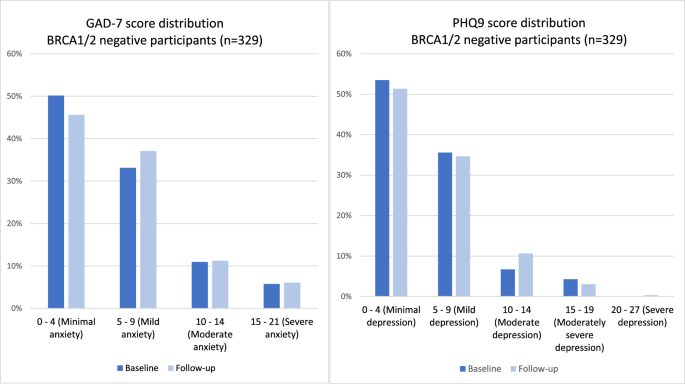
This pilot demonstrates the operational feasibility of population-level BRCA1 and BRCA2 screening using digital enrolment and saliva-based testing [7, 8]. The 1.5% frequency of gPVs among 536 participants is higher than generally reported BRCA1/2 prevalence in Western populations, although selection bias is likely present. Latvia historically had a relatively large Ashkenazi Jewish population, which may contribute to BRCA1/2 PV enrichment. The relatively high prevalence of common Ashkenazi Jewish PVs such as BRCA1 c.5266dup, and to a lesser extent BRCA1 c.68_69delAG and BRCA2 c.5946delT, may support the hypothesis that the Latvian population has a somewhat higher BRCA1/2 PV prevalence [1, 2, 14].
Notably, 5/8 PVs had previously been reported as founder or recurrent variants, supporting earlier studies from Latvia suggesting that recurrent BRCA1/2 PV testing could identify the majority of carriers in settings with limited financial resources [14]. All identified carriers reported a first-degree relative with breast cancer, supporting the relevance of family history in risk assessment. However, reliance on family history alone fails to identify many carriers because of incomplete reporting and variable penetrance, making population screening particularly important [7, 15]. Stable PHQ-9 and GAD-7 scores before and after testing are consistent with previous studies demonstrating that population genetic screening is psychologically acceptable when accompanied by appropriate consent and support [8, 16].
In contrast to some international population genetic screening initiatives, our pilot included only women, as female participation in preventive activities in Latvia is generally higher than male participation. The primary aim was to identify families with hereditary cancer predisposition and facilitate cascade testing. Inclusion of additional genes was limited by financial and implementation considerations. Given the high prevalence of recurrent BRCA1 founder variants in Latvia, BRCA1/2 represented a pragmatic initial focus for this pilot programme. Economic evaluations suggest that BRCA1/2 testing may be cost-effective when downstream prevention and early detection are incorporated [9, 10].
Implementation challenges observed in this pilot, including limited engagement and digital literacy barriers, mirror international experience and highlight the need for multimodal recruitment strategies, primary care integration, and targeted communication [7, 8]. The digitally recruited, pre-selected study population introduces potential selection bias and limits generalizability. The modest sample size restricts precision of prevalence estimates and the ability to detect small psychological effects.
The 7% response rate observed in our pilot would be absolutely insufficient for implementation within a nationwide organised screening programme. Public attitudes toward genetic screening and optimal invitation methods were not formally assessed. Similar challenges are observed in existing cancer screening programmes in Latvia (response rate 30-40%), where participation remains below European targets despite invitation systems and awareness campaigns. Currently, Latvia has organised population-based breast, cervical, and colorectal cancer screening programmes, with colorectal cancer screening partly coordinated through family physician practices. Therefore, alternative recruitment strategies are needed, and primary care could improve engagement. In such a model, general practitioners could primarily support recruitment and invitation, while genetic counselling and interpretation of genetic findings would remain within specialist clinical genetics services.
