


Tumor suppressor genes are often viewed as the body’s built-in defense system against cancer. They produce proteins that help maintain and repair DNA, reducing the chances that harmful mutations will accumulate. When these genes stop working properly or are present at low levels, cancer risk can rise.
But new research suggests that having too much of one DNA repair protein can also be a problem.
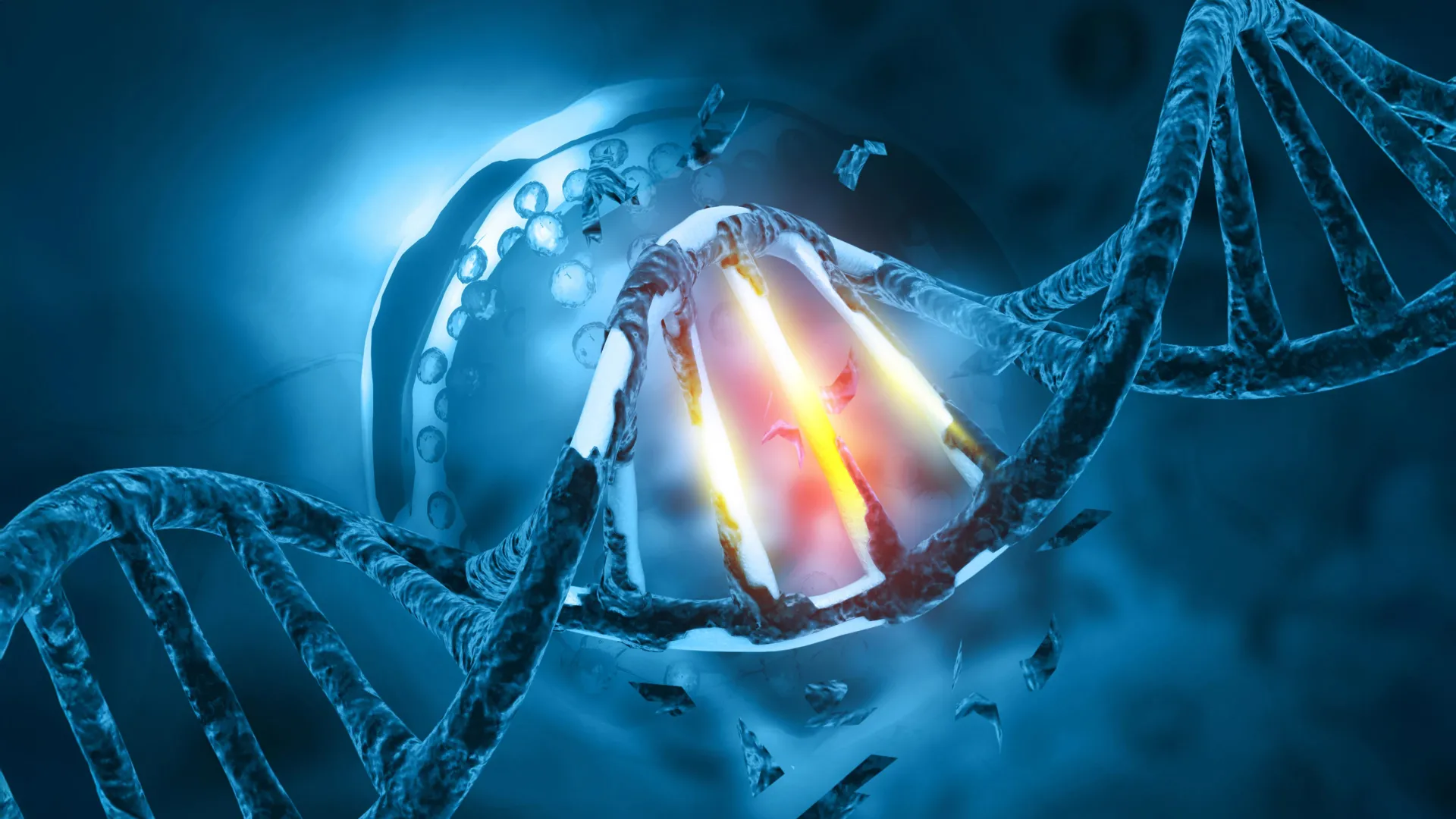
Researchers at Penn State College of Medicine found that excessive activity of the gene EXO1 can damage DNA rather than protect it. Instead of repairing genetic material, too much EXO1 can break down DNA and destabilize the genome, a key feature of cancer.
The findings, published in Nature Communications, show that EXO1 is overexpressed in 20% to 30% of breast and ovarian cancers, as well as in melanoma, testicular, cervical and hepatobiliary cancers, which occur in the liver, gall bladder and bile duct.
The team also discovered that cancer cells with unusually high levels of EXO1 behave much like cells carrying BRCA mutations, which are well known for increasing the risk of hereditary breast and ovarian cancers. Importantly, these BRCA-like behaviors occurred even when no BRCA mutation was present.
EXO1 May Help Identify Patients for Targeted Therapies
The researchers found that tumors with elevated EXO1 responded to treatments in ways that closely resembled BRCA-mutant cancers.
“EXO1 doesn’t predict cancer risk, but it could potentially serve as a biomarker to help predict which patients are more likely to respond to certain chemotherapy treatments, leading to more personalized therapies,” said George-Lucian Moldovan, professor of molecular and precision medicine and senior author on the study. “The same drugs that are reserved for treating BRCA-mutant tumors and that have fewer side effects could potentially be used to treat EXO1 overexpressing tumors, which don’t have BRCA mutations. It would expand the applicability of those drugs.”
To investigate the role of EXO1, the researchers analyzed tumor data from The Cancer Genome Atlas, a National Cancer Institute cancer genomics program. They found evidence of EXO1 overproduction in multiple cancer types, including tumors of the breast, skin, liver and cervix, consistent with earlier research. Elevated EXO1 levels were especially associated with basal-like breast cancer, an aggressive form of the disease.
How Excess EXO1 Damages DNA
The team then performed laboratory experiments using commercially available human cancer cells.
Researchers artificially increased EXO1 production in the cells to determine how excess amounts of the protein affected DNA. They also created a disabled version of EXO1 that produced protein but lacked its normal biochemical activity. This allowed them to confirm that any observed DNA damage was caused by the protein’s activity rather than simply its presence.
Under normal conditions, EXO1 functions like a pair of molecular scissors, helping trim and repair damaged DNA. However, when too much EXO1 is present, those scissors begin cutting DNA structures that should remain intact.
The researchers found that excess EXO1 destabilizes newly formed DNA through two main mechanisms, expanding single-stranded DNA gaps and degrading reversed replication forks. Both processes erode DNA and result in localized loss of genetic material, Moldovan explained.
“Regardless of which pathway, EXO1 overexpression leads to the generation and accumulation of toxic lesions in DNA, such as double strand breaks, which we ultimately think is what makes the tumor more sensitive to chemotherapy and increases cell death,” said Alexandra Nusawardhana, the lead author of the study and who earned her doctorate in biomedical sciences this year from Penn State College of Medicine.
Why EXO1 Mimics BRCA Mutations
BRCA genes normally produce proteins that help protect vulnerable DNA structures during replication. When BRCA genes are mutated, cells lose part of this protective function, which can contribute to cancer development.
In the current study, however, researchers found that excessive EXO1 activity was able to overwhelm those protective mechanisms even when BRCA genes were functioning normally and carried no mutations.
The team also discovered that EXO1 works alongside another protein called MRE11 to enlarge DNA gaps and generate dangerous DNA breaks.
“Mechanistically, this overexpression does exactly what the loss of the BRCA pathway does in BRCA-mutant tumor cells,” Moldovan said.
He noted that EXO1 overexpression differs from BRCA mutations in an important way. It is not inherited, and researchers do not yet know whether it directly causes cancer.
Potential Impact on Cancer Treatment
Because EXO1-overexpressing tumors behaved so much like BRCA-mutant tumors, the researchers investigated whether they would also respond similarly to treatment.
They tested olaparib, a drug commonly used against BRCA-mutant cancers that targets cellular DNA repair pathways. Tumors with elevated EXO1 were highly sensitive to the treatment and responded in a manner similar to BRCA-mutant cancers.
The results suggest that patients whose tumors overexpress EXO1 could potentially benefit from the same repair-targeted therapies, even if they do not carry BRCA mutations.
The researchers also found that EXO1-overexpressing tumors responded to cisplatin, a widely used chemotherapy drug. Their findings raise the possibility that lower doses of cisplatin might achieve comparable tumor shrinkage while reducing side effects.
Because EXO1 overexpression appears in a wider range of tumors than BRCA mutations, Moldovan said it could become a valuable biomarker for guiding treatment decisions.
“We shouldn’t treat cancers based on what tissue they come from but based on the landscape of the genetic mutations present in the tumors,” Moldovan said. “That would result in high efficiency treatment. That’s the future of cancer treatment.”
The research team plans to continue studying EXO1 with the long-term goal of launching clinical trials involving patients whose tumors overexpress the gene.
Claudia Nicolae, assistant professor of molecular and precision medicine at Penn State College of Medicine, also contributed to the study.
The work was supported by funding from the National Institutes of Health and Four Diamonds.
