


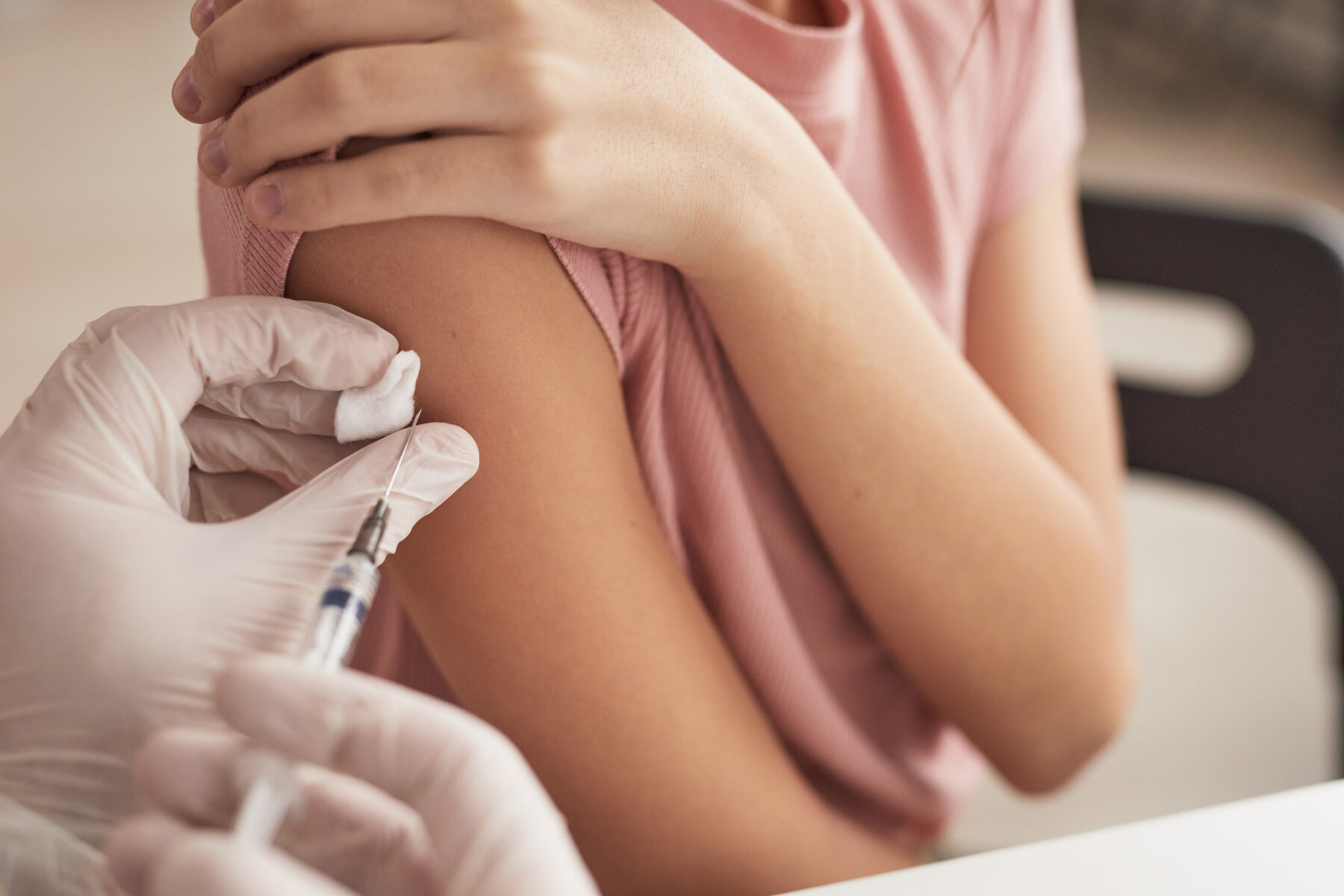
The human papillomavirus (HPV) vaccine has been estimated to reduce the risk of cervical cancer death before age 30 to effectively zero, according to the first study looking at lives saved by the vaccine.
In the most recent five-year period (2020-2024), and for the first time on record, no women in their early 20s died from cervical cancer in England. Around 9 in 10 women in this age group received the HPV vaccine, most when they were 12 or 13, which is when the vaccine offers the strongest protection.
Cancer Research UK played a vital role in uncovering the link between HPV and cervical cancer and then developing the HPV vaccine.
“This is an incredible milestone and major progress in our mission to beat cancer,” says Michelle Mitchell, our chief executive. “We know the HPV vaccine is extremely effective at stopping cervical cancer before it starts and for the first time, these findings show it is saving lives.”
What is HPV and how does the vaccine work?
HPV can infect the skin and cells lining the inside of the body. Most people will have HPV at some point in their life, and the infection is usually cleared from the body. But there are high-risk HPV types that can cause cancer if they stay in the body for a long time. Cancer Research UK scientists helped to prove this link 25 years ago, and now we know that almost all cervical cancer cases are caused by HPV.
The HPV vaccine helps to prevent cervical cancer by protecting against HPV. The vaccine works by tricking the body into thinking it has been exposed to HPV. Then, the immune system produces antibodies to fight the virus. If the body is exposed to the virus again in the future, the immune system can quickly recognise it and produce the virus-fighting antibodies. This means it will be quicker and easier for the body to clear HPV.
The UK introduced the HPV vaccination programme in 2008. The vaccine is offered to boys and girls at age 11-13, and is delivered in schools, by NHS teams. Women and girls, and boys born after 2006, can get the vaccine free at their GP if they didn’t get it at school, up to the age of 25.
It’s also available for free to men who have sex with men and some transgender people up to the age of 45 through sexual health and HIV clinics.
What do the latest results mean?
This is the strongest evidence yet that the HPV vaccination programme is not only preventing cervical cancer but saving lives. Around 200 cervical cancer deaths have been prevented so far in England but lead researcher Professor Peter Sasieni says this is just the tip of the iceberg.
“As vaccinated generations grow older, we’ll see many more lives saved from cervical cancer,” he explains.
“It is incredible to think that a single jab can almost eliminate a particular type of cancer, and this new research shows just how vital it is to keep HPV vaccination levels high so more people are protected.”
While it’s encouraging to see the success of the vaccine, people who have received it should still consider taking part in cervical screening when invited, as the vaccine doesn’t protect against all high-risk strains of HPV. The HPV vaccination and cervical screening combined is the most effective way to prevent cervical cancer.
