


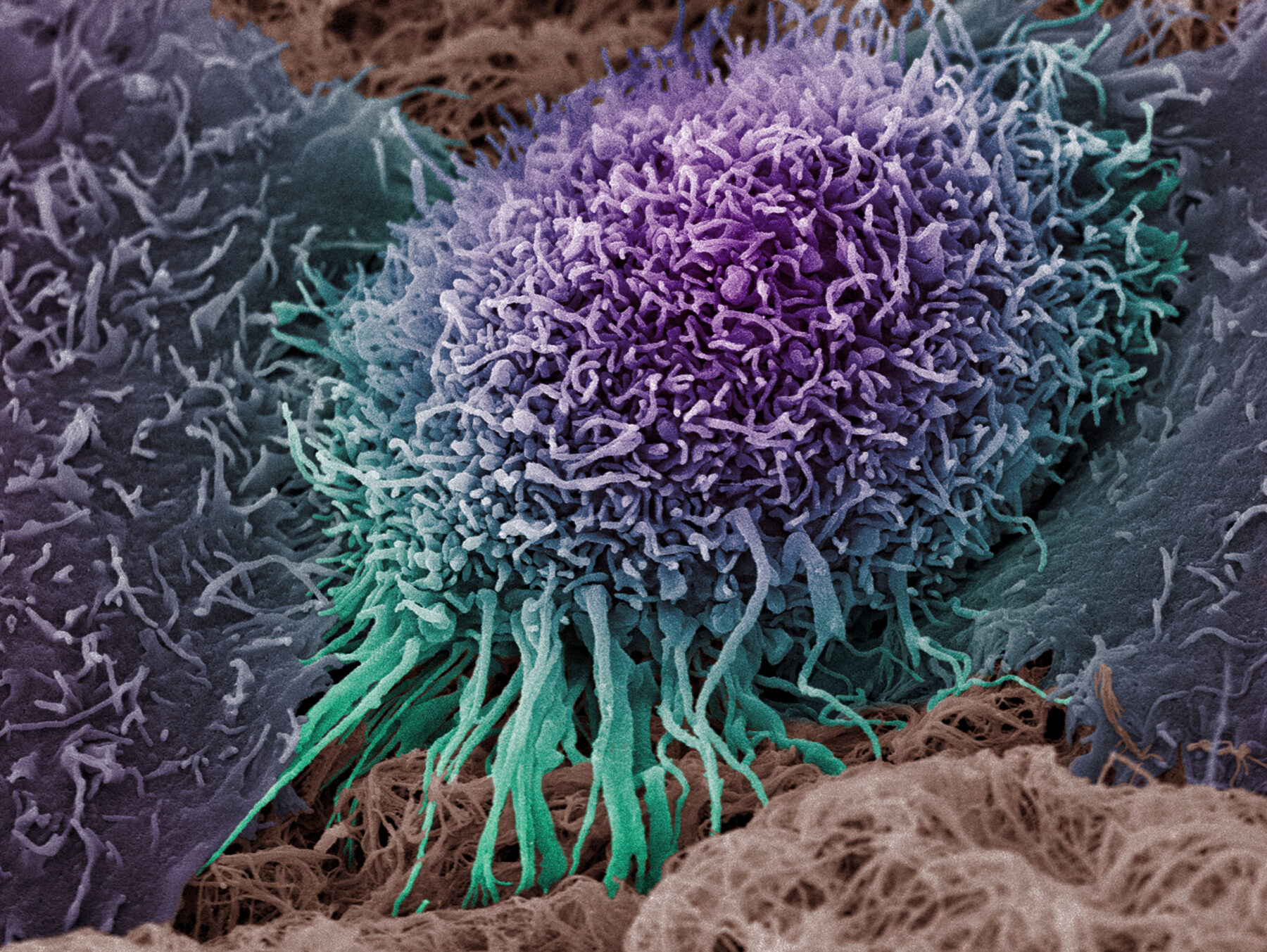
Skin cancer rates continue to rise across the UK, and people who are immunocompromised, which means they have a weakened immune system, face an even greater risk. They are particularly vulnerable to developing squamous cell carcinoma (SCC), a type of non-melanoma skin cancer. In the general population, SCC usually grows slowly and rarely spreads. But for people with a compromised immune system, their risk is much greater. They’re not only more likely to develop SCC, but also more likely to experience multiple skin cancers over time and are at increased risk of SCC spreading to other parts of the body.
Professor Catherine Harwood and Professor Rubeta Matin are leading a new clinical trial, SPOT-IT, to answer an important question: how can we best prevent SCC for people with the highest risk?
Mind the prevention gap
Most SCCs appear on areas of skin that have had frequent sun exposure, such as the head, neck, forearms, and the backs of the hands. They can also develop in places where the skin has been damaged before, including old scars, burns, or long-standing ulcers.
For immunocompromised people, for example people who have had an organ transplant, the risk of developing SCC is much higher. That’s because the immune system plays a vital role in detecting, repairing and eliminating skin cells damaged by UV radiation. When that system is weakened, multiple protective mechanisms are lost at once.
This group of people are also more prone to developing multiple skin cancers over time, often needing repeated surgeries that can have a major impact on daily life and overall wellbeing.
“Although most of these cancers can be treated surgically, repeated operations can have a significant impact,” says Harwood. “They can affect appearance, function and confidence, particularly when cancers occur on visible areas like the face and hands. Over time, this takes a real toll on people’s quality of life.”
Currently, doctors recommend that like everyone else, immunocompromised people should use sunscreen regularly to protect themselves from developing skin cancer. But Harwood, Matin and their team think there may be a more precise way for the highest‑risk patients to protect themselves even more effectively.
“Immunocompromised people, such as organ transplant recipients, are often underrepresented in clinical trials, which means prevention strategies are frequently based on evidence from people with normal immune systems,” says Matin.
Protecting people from squamous cell carcinoma
To develop a prevention strategy, the research team aren’t starting from scratch. They’re looking at treatments already used to treat pre-cancerous lesions, such as actinic keratoses (AK).
Several treatments for AK can also help lower the risk of SCC. Previous studies in Australia have shown that regular use of sunscreen can prevent AK and SCC from forming in the general population. There is also a chemotherapy cream, called 5‑fluorouracil (5‑FU), that treats sun-damaged skin and precancerous AK spots and reduces the risk of developing SCC. However, 5‑FU can be tricky to use. It often causes redness, pain, and crusting, and the skin can look quite irritated after treatment for several weeks.
Recently, researchers found that combining 5‑FU with a vitamin D–based ointment called calcipotriol makes the treatment time shorter. With this combination, people only need to apply the creams for 4 to 6 days, and any side effects usually settle down more quickly. Patients who tried this shorter treatment also found it easier to manage.
Although these treatments have been tested in the general population, they haven’t been studied on a large scale in immunocompromised people. The SPOT-IT team will compare three options: daily sunscreen, sunscreen and 5‑FU, and sunscreen with 5‑FU combined with calcipotriol, to see which works best at preventing future SCCs in this high-risk group.
Each person joining the study has already experienced at least one invasive SCC recently, and many know all too well how often these cancers can return. By testing these three prevention approaches head‑to‑head, the trial hopes to find the option that can best protect them in the years ahead.
“What’s unusual about this study is that the outcomes won’t only benefit future patients, but potentially also the participants who are taking part in this trial later in their lives,” Harwood explains. “Because patients tend to develop more of these skin cancers over time, identifying the right prevention strategy really matters over the course of a lifetime.”
Reducing cancer risk
5-FU can be effective, but it’s not always easy to use. It can cause redness, peeling and discomfort that lasts for weeks, which means some people struggle to complete the treatment. That’s why Harwood, Matin and their team are considering a vitamin D ointment to help shorten the time required to use 5-FU. Finding a treatment that works well and is easier for patients to use is incredibly important. A preventative treatment can only have an impact if people are able and willing to use it.
For many immunocompromised patients, finding a targeted prevention could be life-changing. As Harwood explains, “I care for patients whose transplants are working perfectly, yet they’re coming back to the hospital every few months to have skin cancers removed. It’s an ongoing burden that sits alongside what should otherwise be a hugely positive outcome from their transplant.”
That’s exactly what SPOT-IT aims to change.
“This research is a first step towards changing how we prevent skin cancer in immunocompromised patients. With the right evidence, we can move towards more personalised, effective prevention and reduce the long‑term burden of this disease.”
By developing approaches that are both effective and tolerable, this work lays the foundation for a future where life after transplant can be lived with confidence, not constant concern.
