


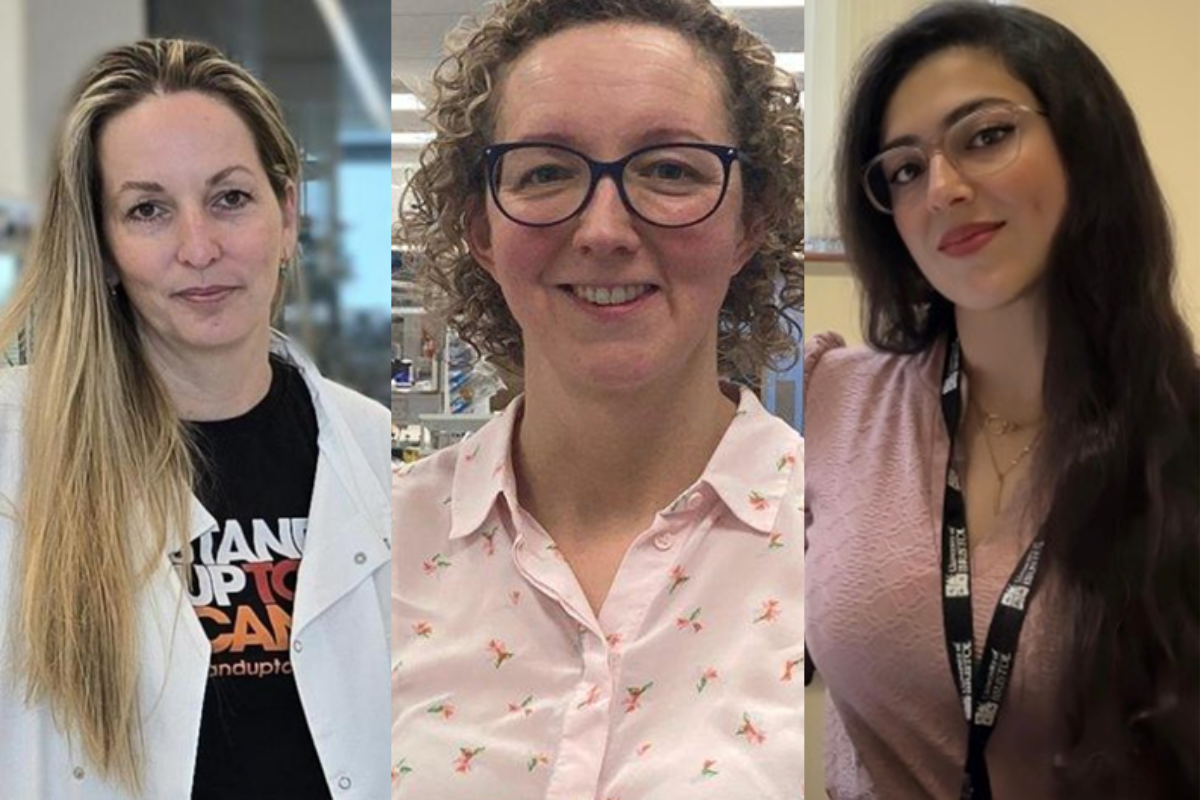
Her team began studying tear fluid because of the close connection between the eyes and the brain. They suspected that brain tumours could trigger immune changes that could be detected in tears.
Three years later, once the team had optimised the analytical techniques, Hamerlik started the first clinical study: a Danish proof-of-concept study involving 164 participants, including healthy volunteers and people with brain tumours.
The early results were promising. Hamerlik’s tear-based tests could accurately distinguish brain tumour patients from healthy volunteers. Now, the research is progressing through a large, international clinical trial known as INFORM, running across the UK and Europe.
Her work is deeply personal as she lost her father to a brain tumour after more than a year of uncertainty.
“I don’t want anybody else to go through that anxiety, because I know what we have been through, what my father went through,’’ she says.
Read more about Petra’s research
