


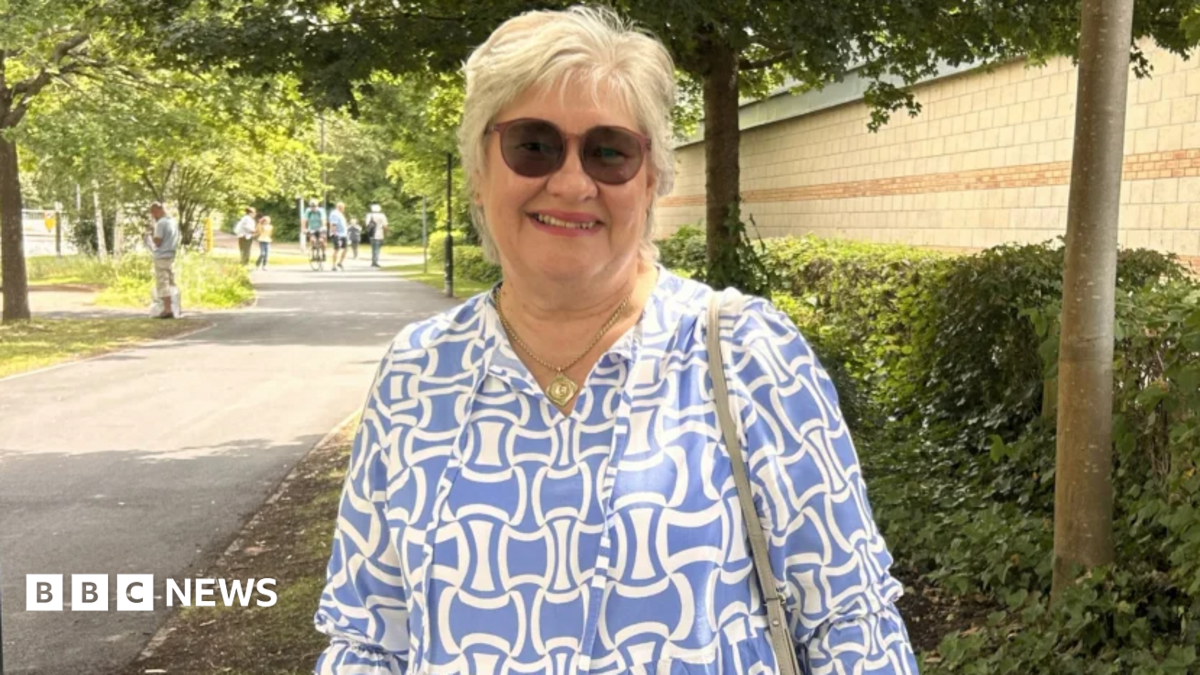
“You wonder whether you should have acted sooner, even though there wasn’t anything obvious to suggest it was cancer.”
When Christine Skinner was diagnosed with rectal cancer two years ago, she questioned herself over why she hadn’t spotted the symptoms earlier.
The retired professor and nurse from York had been to see her GP after noticing changes to her bowel habits, but as she had taken an at-home bowel screening test the previous year, she felt sure she could not have cancer.
Her GP sent her for investigations including a colonoscopy, a biopsy and several scans – which soon confirmed she had rectal cancer.
Faced with the prospect of major surgery, she was given the chance to take part in a clinical trial funded by Yorkshire Cancer Research that could improve the effectiveness of treatment for people with rectal cancer.
Christine is now cancer-free, and exactly two years after she finished her radiotherapy treatment, she welcomed her third grandchild into the world.
“That all felt like a triple gift really; being well and her being born on that day and being able to go out and spend time with her,” she said.
Speaking about her diagnosis, Christine, 69, said: “I remember walking into the hospital with my friend feeling incredibly nervous.
“When I was told the cancer had spread to my lymph nodes, I was frightened.
“Like many people, I immediately started questioning myself. You wonder whether you should have acted sooner, even though my symptoms weren’t the more commonly recognised signs of rectal cancer, such as bleeding.”
